
White House East Wing Renovation: Trump’s Vision Takes Shape
Detailed Plans Unveiled for Massive Executive Mansion Expansion
The White House has taken a significant step forward in President Trump’s ambitious renovation plans by presenting comprehensive details for the East Wing expansion project. This week marked a crucial milestone as the administration submitted its most thorough proposals yet to the National Capital Planning Commission, which will review the plans during a hearing scheduled for early March. The project represents one of the most substantial modifications to the executive mansion in modern history, with plans calling for a nearly 90,000-square-foot addition that will dramatically transform the White House’s eastern footprint.
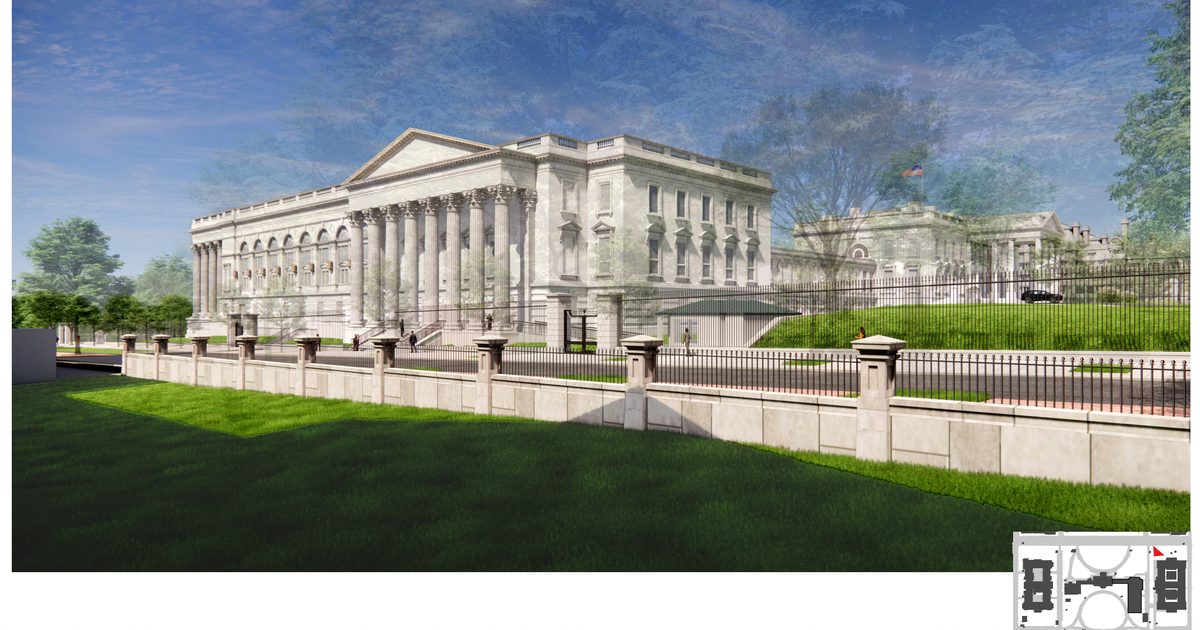
The submission package includes detailed architectural renderings that showcase the neoclassical structure from multiple perspectives, allowing reviewers and the public to understand how the new addition will integrate with the historic White House campus. The visualizations present views from several significant vantage points across Washington, D.C., including perspectives from near the U.S. Capitol, the Jefferson Memorial, and various locations around the White House grounds. These comprehensive renderings demonstrate the administration’s attention to how the new structure will fit within the broader context of the nation’s capital and its iconic monuments. The East Wing expansion will house a grand ballroom, additional office space, and feature a distinctive two-story colonnade that will become a prominent architectural element of the complex. According to the plans, the new structure will be constructed to approximately the same height as the existing executive residence, maintaining visual harmony with the historic building while standing slightly taller than the neighboring Treasury building.
Architectural Vision and Landscape Design
The architectural firm Shalom Baranes has been entrusted with designing this significant addition to America’s most famous residence, and their drawings reveal careful attention to both aesthetic and functional considerations. The plans show that the building’s eastern facade will be enhanced with traditional landscaping elements, including boxwood hedges and brick pavers that will create an elegant border along the structure’s perimeter. This classic approach to landscape design reflects the administration’s commitment to maintaining the White House’s traditional character while modernizing its facilities. The combination of neoclassical architecture and formal landscaping demonstrates an effort to ensure that the new addition feels like a natural extension of the existing White House rather than a jarring modern intrusion.
The ballroom, which appears to be a centerpiece of the new East Wing, will provide the White House with enhanced capacity for hosting state dinners, diplomatic receptions, and other official functions that are central to the executive mansion’s role in American governance and international relations. The additional office space will address long-standing concerns about the cramped working conditions in parts of the White House complex, providing staff with more functional and adequate workspace. The two-story colonnade, meanwhile, will create an elegant covered walkway that echoes classical architectural traditions while providing practical shelter for movement between different sections of the building.
Demolition Decision and Expert Assessment
In a detailed nine-page letter addressed to the National Capital Planning Commission, Josh Fisher, the director of White House management and administration, explained the reasoning behind the dramatic decision to completely demolish the existing East Wing rather than attempt to renovate or modify the existing structure. According to Fisher, experts conducted thorough studies of the current East Wing building before reaching their conclusion that demolition and complete reconstruction represented the only viable path forward. The structural limitations of the existing building were so significant that they simply could not accommodate the modifications necessary to address the White House’s current and future needs, Fisher explained in his letter.
“Demolition of the existing East Wing structure and reconstruction of a new East Wing provided the most effective solution to many longstanding issues affecting the White House and delivered the best long-term risk reduction,” Fisher stated, emphasizing that this decision was made after careful consideration of alternatives. The assessment suggests that attempting to work within the constraints of the existing structure would have been more costly, time-consuming, and ultimately less effective than starting fresh with a new building designed specifically to meet contemporary requirements while respecting historic aesthetics. This approach, while dramatic, allows architects to incorporate modern building systems, enhanced security features, and improved accessibility without being constrained by the limitations of an older structure.
Careful Demolition Process and Preservation Efforts
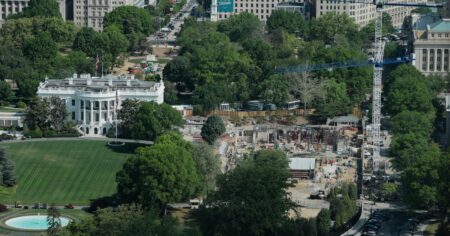
The actual demolition of the East Wing, which took place in October, was executed with extraordinary care to protect the historic White House mansion and surrounding structures. Fisher explained that heavy equipment was deliberately kept at a safe distance from the main White House building to prevent any possibility of inadvertent damage to the iconic structure. In fact, portions of the existing East Wing were removed entirely by hand, demonstrating the administration’s commitment to protecting the historic residence during this complex construction project. Throughout the demolition process, contractors employed sophisticated monitoring systems to track vibrations and watch for any cracks that might indicate stress on the existing structures, allowing them to adjust their methods in real-time to ensure maximum protection.
Fisher emphasized that the demolition was “methodical rather than sudden catastrophic destruction,” highlighting the careful, step-by-step approach taken to dismantle the building. However, this careful approach did not extend to public communication, as the administration did not notify the public prior to beginning the East Wing’s destruction. This lack of advance notice generated some controversy, as many Americans and architectural preservation advocates would have appreciated the opportunity to understand and discuss such a significant alteration to the nation’s most symbolically important residence before the work began. Nevertheless, the administration’s focus remained on executing the demolition safely and efficiently while protecting the historic portions of the White House complex.
Future Plans and Ongoing Campus Improvements
The East Wing renovation represents just one component of a broader vision for upgrading and modernizing the White House campus. Fisher’s letter outlined several additional initiatives that the administration is considering or actively pursuing to enhance both the functionality and security of the executive mansion grounds. These plans include significant upgrades to the park grounds surrounding the White House, which will likely involve new landscaping, improved pathways, and enhanced public spaces that balance accessibility with security requirements. Additionally, the administration plans to replace the temporary trailer that currently serves as the visitor security checkpoint with a more permanent and dignified structure that better reflects the importance of the White House as a national symbol and tourist destination.
Perhaps most intriguingly, Fisher revealed that a team has begun conducting structural analysis of the West Wing colonnade to determine whether it could support the addition of a second story. This potential modification would bring the West Wing into architectural symmetry with the planned two-story East colonnade, creating a more balanced appearance for the White House complex as a whole. However, Fisher was careful to emphasize that “no decision will be made regarding such a project until these aspects are fully studied and analyzed,” indicating that the administration is taking a measured approach to this possibility. This commitment to thorough analysis before proceeding suggests that lessons have been learned about the importance of careful planning and expert consultation when undertaking modifications to such a historically and symbolically significant building. As the National Capital Planning Commission prepares to review these ambitious plans in early March, the nation watches with interest to see how this latest chapter in the White House’s architectural evolution will unfold.