
The Intricate Seating Arrangements at the State of the Union Address
Location Matters: Understanding the SOTU Seating Hierarchy
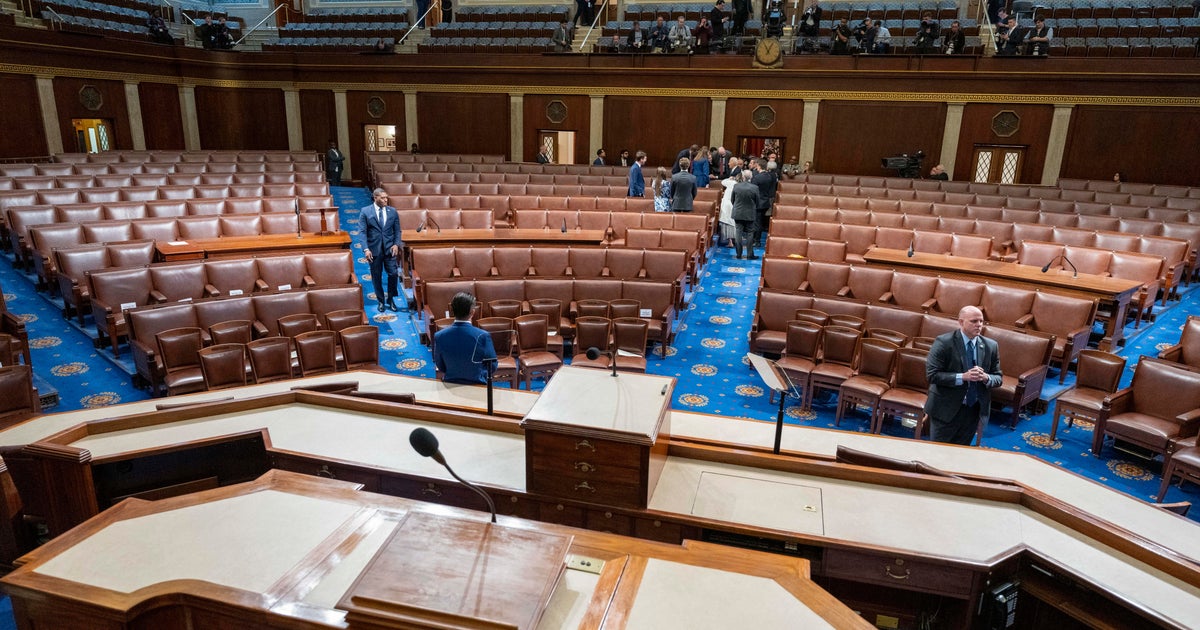
When President Trump takes the podium on Tuesday night to deliver his first official State of the Union address of his second term, the seating arrangements in the House chamber will tell their own story about power, protocol, and political tradition. Just as the old real estate adage goes—location, location, location—where you sit during this annual address speaks volumes about your place in the American political hierarchy. The State of the Union is more than just a speech; it’s a carefully choreographed display of governmental structure, bringing together all three branches of government under one roof. Cabinet members, members of Congress, and Supreme Court justices will all gather to hear the president’s vision for the nation, with only the designated survivor absent for security purposes. The House chamber, which accommodates hundreds of seats both on the floor and in the galleries above, becomes a living map of American political power for one evening. The most coveted spots are invariably those closest to the president, where visibility is highest and proximity to power is most evident. Understanding this seating arrangement offers insights not just into protocol, but into the relationships, tensions, and dynamics that define Washington politics at any given moment.
The Power Behind the President: Vice President and Speaker
Directly behind the president, in the most prominent positions visible to television audiences worldwide, sit the two individuals next in line for the presidency: the Vice President and the Speaker of the House. For Tuesday’s address, that means Vice President JD Vance will occupy the seat to the left from viewers’ perspective, while Republican House Speaker Mike Johnson will sit to the right. These positions are among the most scrutinized during the speech, as cameras frequently pan to capture their reactions to the president’s remarks. This seating arrangement can create moments of unity or reveal deep divisions in American government, depending on whether the government is unified or divided. History has shown us both scenarios playing out in memorable ways. When Nancy Pelosi served as Speaker during President Trump’s first term, she famously tore up her copy of his speech in 2020 after he concluded, creating one of the most iconic and controversial moments in State of the Union history. The image of Vice President Mike Pence applauding while Speaker Pelosi destroyed the speech pages perfectly captured the partisan divide of that era. In contrast, Tuesday night’s address is likely to present a more harmonious picture, with both Vance and Johnson being Republicans and vocal supporters of President Trump’s agenda. Viewers can expect both men to stand and applaud enthusiastically throughout the speech, presenting a united front that reflects the current political alignment in Washington. These seats serve as a constant reminder that presidential succession is always just two heartbeats away, and the individuals occupying them wield enormous influence over the legislative and executive agendas.
The Judicial Presence: Where Supreme Court Justices Observe
The Supreme Court justices, when they choose to attend, occupy front-row seats on the House chamber floor, a positioning that acknowledges their crucial role as guardians of the Constitution and the equality of the judicial branch with the executive and legislative branches. While not all justices attend every State of the Union—attendance is optional and some justices have expressed discomfort with the political nature of the event—those who do attend become part of the visual tableau of American democracy. At President Trump’s 2025 joint address to Congress, Chief Justice John Roberts attended along with Associate Justices Elena Kagan, Brett Kavanaugh, and Amy Coney Barrett. However, this year’s State of the Union comes at a particularly delicate moment for the relationship between the executive and judicial branches. Just four days before the scheduled address, the Supreme Court dealt President Trump a significant setback by ruling that he lacks the authority to impose sweeping tariffs under an emergency powers law—a decision that directly challenges one of his signature second-term policies. Despite vowing to find alternative authorities to implement his tariff program, the president is likely mindful of the justices sitting before him, including some he himself appointed to the bench. The timing adds an unusual tension to what is normally a ceremonial appearance by the justices. Making matters even more demanding for the justices, the Supreme Court has scheduled opinion releases for both the morning of the State of the Union and the morning after, ensuring a grueling schedule for those who choose to attend what typically becomes a late-evening affair. Justices traditionally remain neutral during the speech, refraining from applause or visible reactions, which can make them stand out amid the partisan cheering and standing ovations that characterize these addresses.
The First Lady’s Box: Honoring Everyday Americans
One of the most humanizing traditions of the modern State of the Union is the First Lady’s box, located in the gallery seating above the chamber floor, positioned to the right from the television viewer’s perspective. This elevated seating area, which typically accommodates up to about two dozen guests, has become a powerful storytelling device that allows presidents to put faces and personal narratives to the policies and initiatives they discuss in their speeches. For decades, first ladies have carefully selected Americans to invite as their guests—people whose experiences illustrate national challenges, heroic actions, policy successes, or the need for specific reforms. These guests might include military heroes, survivors of tragedy, beneficiaries of federal programs, small business owners, teachers, first responders, or ordinary citizens who have done extraordinary things. During the speech, when the president mentions an issue or tells a particular story, cameras pan to the relevant guest in the First Lady’s box, creating powerful television moments that help translate abstract policy discussions into relatable human experiences. The Second Lady typically joins the First Lady in this box, along with the selected guests. The careful curation of these guests represents a significant communications strategy, as their presence generates media coverage both before and after the speech, and their stories often become the most memorable elements of the address for many Americans. The First Lady’s box transforms the State of the Union from a purely political speech into a more inclusive national conversation, reminding viewers that government policies ultimately affect real people living real lives across the country.
Congressional Seating: First Come, First Served with Partisan Division
For the 535 members of Congress, seating at the State of the Union operates largely on a first-come, first-served basis, which explains why many representatives and senators arrive hours early to claim desirable spots. Despite this ostensibly democratic approach to seating, clear patterns emerge that reflect both institutional hierarchy and partisan division. Members typically sit with their own party, creating a visual divide in the chamber with Republicans congregating on one side and Democrats on the other. This partisan separation often becomes evident during the speech itself, as one side of the chamber erupts in applause and standing ovations while the other remains seated and silent, depending on what the president has just said. Within this general framework, senators—members of what is sometimes called “the world’s greatest deliberative body”—typically occupy rows closer to the front of the chamber, reflecting the Senate’s constitutional role and its smaller, more exclusive membership of 100 compared to the House’s 435 members. House members, accordingly, fill the rows closer to the back. The early arrival of many members has become something of a tradition in itself, with some representatives camping out for hours before the speech, using the time to conduct media interviews from their coveted aisle seats. These aisle positions are particularly prized because they offer opportunities for members to shake hands with the president as he makes his way through the chamber to the podium, creating brief moments captured by cameras that members can use in campaign materials. The seating arrangement, while seemingly simple, actually reflects the complex interplay of institutional tradition, partisan identity, personal ambition, and media-age politics that characterizes the modern Congress.
Cabinet Members and the View from Above
Rounding out the seating arrangements, Cabinet members—the president’s hand-picked team of department secretaries and other senior officials—typically receive front-row seats on the chamber floor, befitting their status as leaders of the executive branch and principal advisors to the president. Their prominent placement ensures they are visible during the address and allows them to show support for initiatives related to their departments. When viewed from above, the entire seating chart resembles a carefully organized map of American governmental power, with concentric circles of authority radiating outward from the president at the center. Although neither the Trump administration nor Congress have released an official seating chart for Tuesday’s address, past State of the Union speeches provide a reliable template for what to expect. The chamber fills from the most powerful to the least, from the front to the back, from the floor to the galleries, creating a physical representation of Washington’s hierarchy. Yet for all its formality and tradition, the State of the Union seating arrangement also serves a democratic purpose—it brings together all three branches of government, elected officials from both parties, and invited citizens from across the nation into one room for a shared civic experience. This annual gathering, regardless of which party controls the White House or Congress, reinforces the continuity of American democracy and the peaceful transfer and exercise of power. The careful attention to who sits where ultimately reflects respect for institutional roles and the complex system of checks and balances that defines American government, even in an era of intense partisan division.