


The Delicate Balance: America’s Dual Approach to Iran
Navigating Between Diplomacy and Military Action
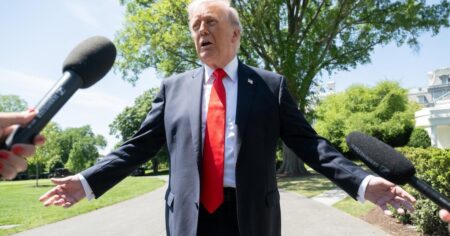
The Trump administration finds itself at a critical crossroads in its approach to Iran, simultaneously pursuing diplomatic negotiations while keeping military options on the table. President Trump has publicly acknowledged that he’s considering limited military strikes against the Iranian regime, even as his administration engages in talks over Iran’s nuclear program. This dual-track approach has created a complex dynamic within the White House, where various factions and advisors are presenting different perspectives to the president. According to sources close to the administration, the internal discussions aren’t characterized by heated ideological debates but rather resemble a series of ongoing briefings and updates. The president appears to be absorbing information from multiple sources, evaluating his options as new intelligence and developments emerge, keeping even his closest advisors uncertain about which path he’ll ultimately choose.
The fluidity of the situation reflects the challenging reality of dealing with a nation that has long been viewed as a significant threat to American interests in the Middle East. Jared Kushner, the president’s son-in-law, has reportedly taken on a central role in helping shape the framework of a potential diplomatic agreement. Working alongside key officials like Secretary of State Marco Rubio, Kushner is helping the president navigate the intricate balance between pursuing a peaceful resolution and preparing for possible military intervention. This approach demonstrates the administration’s attempt to keep all options viable while the situation continues to develop. Military planners have informed the president that American forces would be ready to conduct strikes as early as this weekend, though the actual timeline for any military action is expected to extend well beyond the immediate days ahead, giving diplomacy more time to work.
The Diplomatic Push and Public Messaging
Secretary of State Marco Rubio has been particularly careful in his public statements, emphasizing the administration’s commitment to finding a diplomatic solution to the standoff with Iran. During a recent visit to Slovakia in mid-February, Rubio made clear that negotiations remain the primary focus of American efforts. His straightforward declaration that “right now, we are talking about negotiations; we are focused on negotiations” reflected the president’s stated priorities at that moment. However, Rubio also acknowledged the possibility that circumstances could change, noting that any shift in approach would be unmistakable to observers worldwide. This measured public stance serves multiple purposes: it reassures allies that America is pursuing peaceful options, signals to Iran that there’s a window for agreement, and maintains strategic ambiguity about what might happen if talks fail.
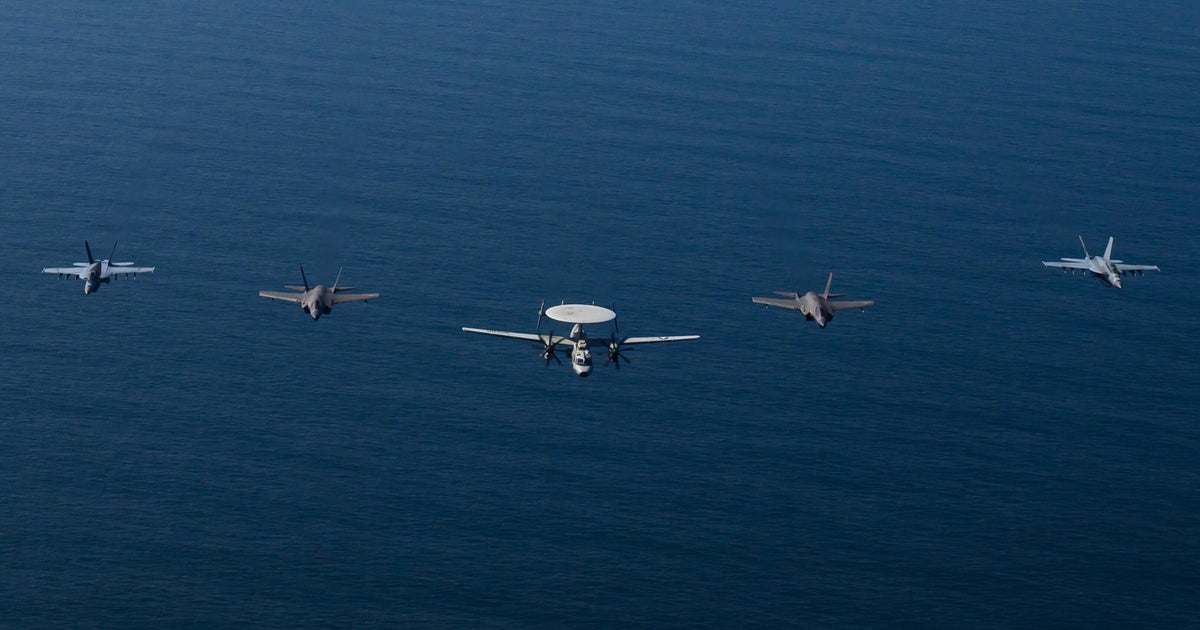
Behind closed doors, however, Rubio’s role appears more nuanced and complex. Multiple sources familiar with the internal discussions reveal that the Secretary of State has presented both sides of the argument to President Trump—laying out both the potential benefits of a diplomatic breakthrough and the strategic case for military action. This balanced approach allows the president to fully understand the implications of each path forward. Meanwhile, Defense Secretary Pete Hegseth has been briefing the president on the military’s capabilities and readiness, providing detailed information about available options and the timeline for deploying forces. The military has been methodically positioning assets in the region, with all forces expected to be fully in place by mid-March. This careful preparation ensures that if the president does decide to authorize strikes, the military will be positioned to execute them effectively and swiftly.
Internal Divisions and Vice Presidential Influence
Not everyone in the administration’s inner circle shares the same perspective on how to handle Iran. Vice President JD Vance has privately expressed his preference against launching military strikes, according to multiple sources with knowledge of these discussions. Vance’s position represents an important voice of caution within the administration, though a White House official was quick to characterize the vice president’s contributions more broadly. According to this official, Vance provides the president with “a multitude of different angles and scenarios” across a wide range of issues, helping ensure that Trump makes well-informed decisions about matters affecting national security. The official emphasized that President Trump actively seeks out diverse opinions on any given issue but ultimately makes his decisions based on what he believes serves America’s best interests and national security needs.
This internal dynamic highlights the complexity of high-stakes foreign policy decision-making, where competing viewpoints and priorities must be weighed against strategic objectives and potential consequences. The fact that Vance feels comfortable expressing reservations about military action suggests a decision-making process that, at least to some degree, welcomes dissenting perspectives. However, outside observers like John Bolton, who previously served as Trump’s national security adviser before becoming a critic of the former and current president, express skepticism about whether Trump has clearly defined his objectives regarding Iran. Bolton believes that ultimately, military force will be employed because the president needs to back up previous red lines he established during earlier protests. This perspective suggests that domestic political considerations and concerns about credibility might influence the final decision as much as strategic calculations about Iran’s nuclear program.
The Nuclear Question and Recent Developments
The current tensions must be understood in the context of recent military actions and Iran’s nuclear activities. Last June, the United States joined Israel in conducting strikes against Iranian nuclear facilities during a 12-day conflict between Israel and Iran. Intelligence assessments suggested these strikes inflicted severe damage on Iran’s nuclear program, setting back the regime’s progress significantly. However, Iran has not abandoned its nuclear ambitions. Recent satellite imagery from late January revealed new construction activity at damaged facilities, specifically showing that roofs have been built over two damaged buildings at the Isfahan and Natanz nuclear sites. This represents the first major activity detected at any of Iran’s nuclear locations since the June conflict, raising questions about whether Iran is attempting to rebuild its capabilities or simply secure damaged facilities.
This development adds urgency to the diplomatic negotiations currently underway. The U.S. and Iran concluded their most recent round of talks in Geneva on Tuesday, with both sides acknowledging that progress had been made while also admitting that significant details remain to be worked out. A U.S. official involved in the discussions noted that “there are still a lot of details to discuss,” suggesting the talks are far from reaching a comprehensive agreement. Iran has committed to presenting detailed proposals within the next couple of weeks aimed at bridging the gaps between the two nations’ positions. However, no specific date has been scheduled for follow-up consultations, leaving some uncertainty about the pace and trajectory of the diplomatic process. The lack of a firm timeline for continued talks could potentially create space for those advocating military action to make their case more forcefully.
The Path Forward and Uncertain Outcomes
As the situation continues to evolve, the Trump administration faces difficult choices with far-reaching implications. The president must weigh the potential benefits of a diplomatic agreement that could verifiably limit Iran’s nuclear program against the risks of a deal that might not be adequately enforced or could leave dangerous capabilities in place. On the other hand, military strikes carry their own set of risks, including potential Iranian retaliation, broader regional instability, and the possibility that strikes might only temporarily set back Iran’s nuclear program without eliminating it entirely. The administration’s current approach—pursuing negotiations while preparing military options—provides maximum flexibility but also creates uncertainty that could complicate both diplomatic efforts and military planning.
The coming weeks will likely prove decisive in determining which direction the administration takes. With military forces expected to be fully positioned by mid-March and Iran promised to present detailed proposals within a couple of weeks, the timeline for a decision appears to be compressing. The president will need to evaluate whether the diplomatic process is producing meaningful progress or merely providing Iran with time to rebuild its nuclear infrastructure. The satellite evidence of construction activity at nuclear sites will undoubtedly factor into this assessment, as will intelligence about Iran’s actual capabilities and intentions. Whatever decision President Trump ultimately makes will reflect not only the advice he receives from his various advisors but also his own judgment about American interests, credibility, and security in a volatile region where the stakes couldn’t be higher. The world watches and waits to see whether this standoff will be resolved through negotiation or force, knowing that either outcome will significantly shape Middle Eastern dynamics for years to come.