
Finding Purpose in the Waves: One Man’s Journey from Gambling Addiction to Healing Others
A Life Unraveled by Addiction
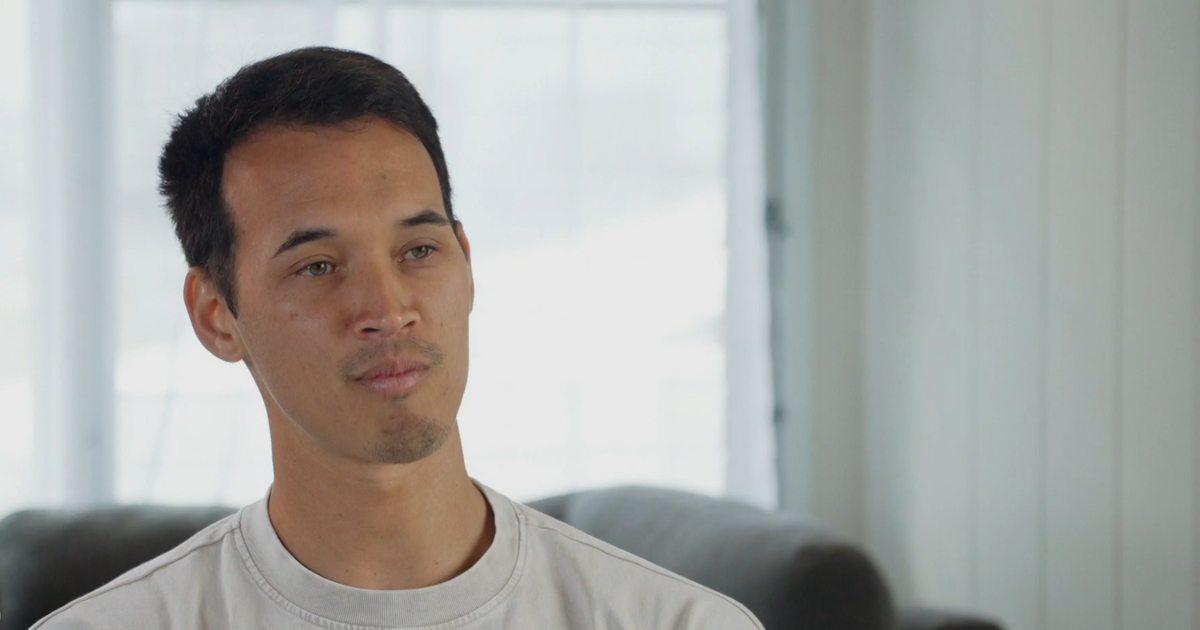
Buddy Wiggins, a 32-year-old pool cleaner from Honolulu, Hawaii, never imagined his life would take such a drastic turn. For years, he struggled with a devastating sports gambling addiction that slowly consumed everything he had worked for. What started as innocent bets gradually spiraled into an all-consuming obsession that left him financially and emotionally bankrupt. The turning point came when Wiggins found himself on his hands and knees, crying, having lost nearly everything that mattered to him. It was in this moment of complete desperation and vulnerability that something extraordinary happened—he heard what he describes as a calling, a voice that would redirect his entire life’s purpose. This wasn’t just about hitting rock bottom; it was about discovering that sometimes our greatest failures can become the foundation for our most meaningful contributions to the world. Wiggins’ story represents the struggles of countless individuals battling gambling addiction, but it also illuminates a path toward redemption that centers on service to others rather than self-destruction.
The Birth of the First Wave Project
Instead of continuing down the destructive path of addiction, Wiggins chose to answer that inner voice in an unexpected way. He decided to take his passion for surfing—something that had always brought him joy and peace—and share it freely with complete strangers. Thus, the First Wave Project was born. Twice a week, Wiggins heads down to the famous Waikiki Beach alongside a couple of friends with a simple but powerful mission: to offer free surfing lessons to the most unlikely candidates they can find. These aren’t experienced water sports enthusiasts or athletic young people looking for their next thrill. Instead, Wiggins deliberately seeks out total strangers who have never surfed before, people who might never have considered stepping on a surfboard. He approaches tourists, locals, older individuals, and anyone who seems like they could benefit from the experience. The project isn’t about creating professional surfers; it’s about creating a moment of transformation, however small, in someone else’s life. By focusing his energy on giving rather than taking—the opposite of what gambling had taught him—Wiggins found a new way to channel his emotions and fill the void that addiction had created.
Transforming Lives One Wave at a Time
The impact of Wiggins’ generous initiative extends far beyond just teaching people how to stand on a surfboard. Students who have participated in the First Wave Project speak about the experience with genuine emotion and gratitude. Quest Douglass, one of Wiggins’ students, described how the energy and encouragement he received made him believe he could accomplish exactly what Wiggins was teaching. There’s something about the combination of personal attention, genuine enthusiasm, and the natural beauty of the Hawaiian waters that creates an almost magical learning environment. Manny Fernandez, another grateful student, shared that the experience gave him a level of confidence he hadn’t felt since he was in his thirties—a powerful testament to how a simple act of kindness can reawaken dormant feelings of capability and self-worth. For many participants, the confidence gained from standing up on that board for the first time ripples outward into other areas of their lives. As Wiggins himself reflects, when you overcome something you never thought possible, you begin to wonder what else you might be capable of achieving. This psychological shift from “I can’t” to “what’s next?” represents a fundamental transformation in how people view themselves and their potential. The First Wave Project has helped approximately 100 people ride this wave of inspiration so far, and each person carries that experience with them long after they’ve left the beach.
The Healing Power of Giving
What makes Wiggins’ story particularly remarkable is that he continues this work despite ongoing financial struggles. Having lost nearly everything to his gambling addiction, he certainly could use the income that surf lessons typically generate in a tourist destination like Waikiki. Professional surf instructors in Hawaii charge anywhere from $75 to over $150 for private lessons, meaning Wiggins is essentially giving away thousands of dollars worth of instruction. Yet he insists on keeping the lessons completely free because, as he explains, it provides him with “the feeling of giving”—something far more valuable to his recovery than money. This deliberate choice to give rather than receive serves as a powerful antidote to the addictive mindset that previously dominated his life. Gambling is fundamentally about taking—attempting to extract money, excitement, and validation from external sources. By contrast, the First Wave Project is entirely about contributing to others without expectation of return. This reversal has become central to Wiggins’ healing process. The act of service fills a void that gambling never could, providing genuine connection, purpose, and self-worth that aren’t dependent on winning or losing. For Wiggins, every grateful smile, every first successful ride, every moment of newfound confidence in his students represents a deposit in his own emotional and spiritual bank account—one that can never be gambled away.
From Self-Destruction to Self-Discovery
Wiggins’ transformation illustrates a profound truth about addiction recovery: sometimes the path to healing ourselves lies in helping others. That mysterious voice he heard during his darkest moment didn’t tell him to simply stop gambling or to enter a traditional treatment program. Instead, it called him to share his passion and expertise with strangers, to create moments of joy and accomplishment for people he’d never met. This approach aligns with recovery principles found in many successful addiction programs, which emphasize service to others as a crucial component of sustained sobriety. By tackling his addiction through sharing rather than isolation, through giving rather than taking, Wiggins discovered a sustainable source of fulfillment that his gambling habit had falsely promised but never delivered. His story also highlights how our greatest struggles can become our most valuable assets when channeled properly. The same determination and focus that fueled his gambling addiction has been redirected toward the First Wave Project, proving that addictive personalities can harness their intensity for positive purposes. Moreover, Wiggins has found a community of support through his friends who join him in this mission, replacing the isolation that often accompanies addiction with genuine human connection built around shared purpose and values.
A Message of Hope and Resources for Those Struggling
Buddy Wiggins’ journey from the depths of gambling addiction to becoming a source of inspiration and confidence for others offers hope to anyone facing similar struggles. His story reminds us that recovery isn’t always linear, and that transformation often comes from unexpected places—sometimes from a voice in our darkest hour calling us toward service rather than self-pity. The First Wave Project continues to grow, touching more lives each week and demonstrating that healing is possible when we’re willing to answer the call to change. For those currently battling gambling addiction, Wiggins’ experience illustrates that there are always alternatives to continuing down a destructive path, and that reaching out—whether to help others or to seek help—can be the first step toward reclaiming your life. If you or someone you know is struggling with gambling addiction, professional help is readily available and completely confidential. The National Problem Gambling Helpline provides free support 24 hours a day, seven days a week at 1-800-GAMBLER. Trained counselors can offer guidance, resources, and treatment options tailored to individual needs. Remember that addiction thrives in secrecy and isolation, but recovery flourishes in community and connection. Just as Wiggins found purpose by reaching out to strangers on Waikiki Beach, taking that first step to reach out for help can set in motion a wave of positive change that carries you toward a better future.