

Understanding Kharg Island: America’s Strategic Leverage in the Persian Gulf Crisis
The Strategic Importance of a Small Island
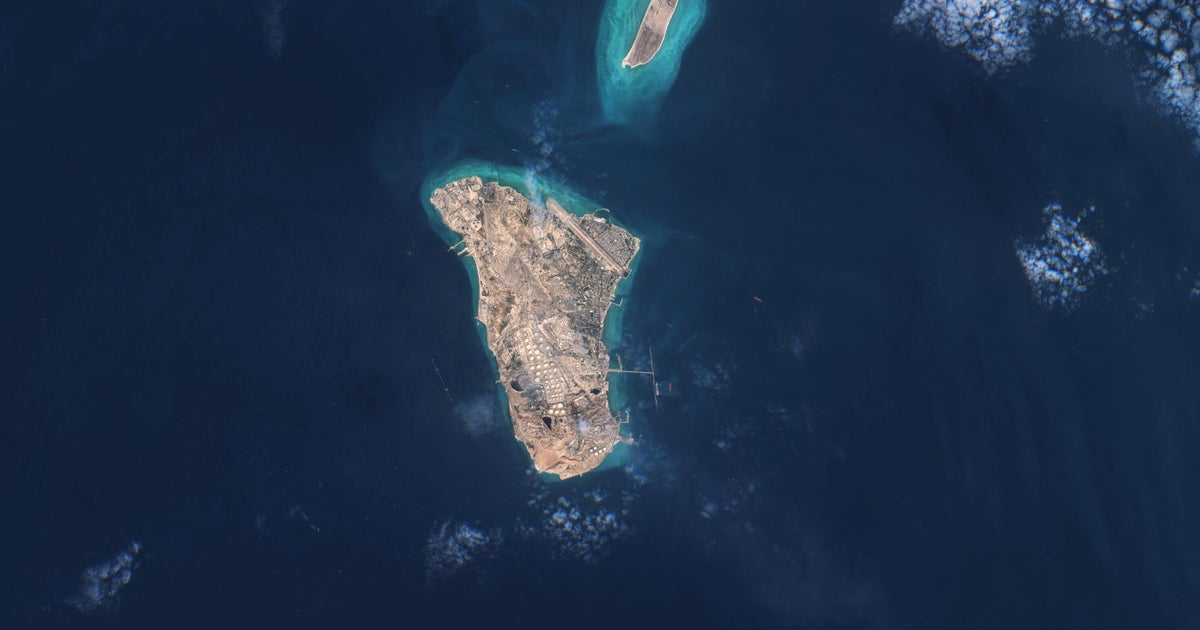
In a dramatic escalation of tensions with Iran, President Trump announced that U.S. military forces carried out extensive precision strikes on Kharg Island, a small but critically important piece of territory located just 20 miles off Iran’s northern Gulf coast. While the president emphasized that American forces deliberately avoided damaging the island’s oil export infrastructure, the message was clear and unambiguous: the United States possesses the capability to cripple Iran’s economic lifeline at any moment. This calculated demonstration of military power came with a stern warning attached—if Iran continues to interfere with the free passage of ships through the Strait of Hormuz, Trump stated he would “immediately reconsider this decision” to spare the oil facilities. The strikes, which the president claimed “totally obliterated” every military target on the island, have thrust this previously little-known location into the international spotlight and raised urgent questions about the future of global energy security. For most people around the world, Kharg Island was an obscure name until now, but for energy analysts, military strategists, and economists, it represents one of the most valuable and vulnerable pieces of real estate in the entire Middle East.
Kharg Island: Iran’s Economic Jugular
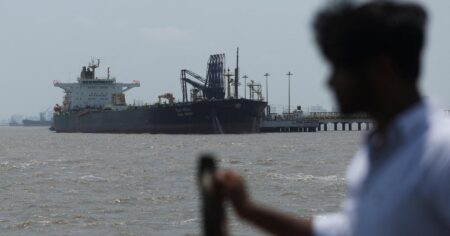
To understand why this small island matters so much, you need to appreciate its role in Iran’s economy and the global oil market. For decades, Kharg Island has functioned as Iran’s primary oil export terminal, a massive industrial complex where crude oil is loaded onto tankers that then navigate through the Persian Gulf and the narrow Strait of Hormuz to reach international markets. The numbers tell the story of just how critical this facility is—historically, somewhere between 85% and 95% of all Iranian crude oil exports have flowed through Kharg Island’s loading terminals. This isn’t just important infrastructure; it’s essentially Iran’s economic jugular vein. Without the ability to export oil through Kharg Island, Iran’s capacity to sell its most valuable commodity would collapse almost overnight. The revenue generated from these oil sales, primarily to China in recent years, represents one of the Islamic Republic’s most vital sources of funding, supporting everything from government operations to military expenditures. If the loading facilities on Kharg Island were seriously damaged or destroyed, Iran would face an immediate economic crisis of catastrophic proportions. This vulnerability is precisely what makes the island such a powerful bargaining chip in Trump’s confrontational approach to dealing with Iran’s closure of the Strait of Hormuz.
Energy Markets in Crisis: The Domino Effect
The military strikes on Kharg Island, even though they spared the oil infrastructure, have sent shockwaves through global energy markets and highlighted just how precarious the world’s oil supply situation has become. Iran’s decision to close the Strait of Hormuz to most shipping traffic has already created serious disruptions, considering that approximately 20% of the world’s entire oil supply passes through this narrow waterway under normal circumstances. National security analyst Aaron MacLean explained the strategic calculus at play, noting that President Trump has effectively demonstrated American leverage over Iran by showing that the United States can threaten what Iran values most—its ability to export oil and generate revenue. The economic consequences have been swift and severe. Oil and gas prices have skyrocketed since the conflict began, creating financial pain for consumers and businesses worldwide. Even an unprecedented release of 172 million barrels from the United States’ Strategic Petroleum Reserve—a massive emergency measure designed to increase supply and calm markets—failed to reassure nervous investors and stabilize prices. Instead, the price of crude oil broke through the psychologically important $100 per barrel threshold for the first time in years, a development that threatens to trigger inflation and slow economic growth globally. The situation demonstrates how vulnerable the modern world economy remains to disruptions in Middle Eastern energy supplies, despite years of efforts to diversify energy sources and reduce dependence on oil from this volatile region.
A Target with Historical Scars
This isn’t the first time Kharg Island has found itself in the crosshairs during regional conflict, and understanding this history helps explain both why the facility is so heavily defended today and how Iran might respond to threats against it. During the brutal Iran-Iraq War of the 1980s, Iraqi dictator Saddam Hussein identified Kharg Island as a strategic target and ordered his air force to conduct repeated bombing campaigns against the oil facilities. Hussein’s military logic was sound—if he could destroy Iran’s ability to export oil, he could strangle the Iranian economy and cripple Tehran’s ability to fund its war effort. Iraqi aircraft carried out numerous strikes that caused significant damage to the island’s infrastructure, setting back Iran’s export capacity and creating serious economic problems for the Iranian government. However, despite the repeated attacks and considerable destruction, Iran demonstrated remarkable resilience and determination. Iranian engineers and workers continuously repaired the damaged facilities, often working under dangerous conditions, and somehow managed to keep at least some oil flowing to international markets throughout the war. This experience taught Tehran important lessons about vulnerability and the need for robust defenses. In the decades since that conflict ended, Iran has invested heavily in fortifying Kharg Island, transforming it into one of the most heavily defended locations in the country. The island now bristles with sophisticated air defense systems, features hardened infrastructure designed to withstand attacks, and includes underground storage facilities specifically engineered to keep oil exports flowing even if surface facilities come under sustained bombardment.
Iran’s Asymmetric Response Capabilities
While Iran cannot hope to match the United States or Israel in terms of conventional military power—a reality that the recent precision strikes on Kharg Island’s military targets clearly demonstrated—Tehran has spent decades developing alternative strategies for conflict that play to its strengths rather than its weaknesses. Military analysts call this “asymmetric warfare,” and Iran has become one of its most sophisticated practitioners. If the United States were to follow through on Trump’s implied threat and actually strike Kharg Island’s oil infrastructure, Iran would likely respond not by attempting to win a conventional military confrontation it cannot win, but by making American operations in the region as painful, expensive, and complicated as possible across multiple fronts simultaneously. Iran’s military capabilities in this regard are diverse and dangerous. Iranian forces could intensify attacks on U.S. military bases scattered throughout the Gulf region, using ballistic missiles and drones that have proven increasingly accurate and difficult to intercept. Tehran could activate and support allied militia groups operating in Iraq, Syria, Lebanon, and Yemen, essentially opening multiple conflict zones that would stretch American resources and attention. Iranian naval forces could escalate attacks on commercial and military vessels attempting to navigate the Strait of Hormuz, employing a deadly combination of fast attack boats armed with missiles, naval mines deployed in shipping channels, and swarms of explosive-laden suicide drones. The goal of such a multi-pronged response wouldn’t be to defeat superior American military forces in direct combat—an impossibility—but rather to create a security environment so unstable and costly that the United States would face mounting pressure to de-escalate or negotiate.
The High-Stakes Gamble: What Comes Next
The strikes on Kharg Island represent a dangerous new phase in the escalating confrontation between the United States and Iran, with both sides now threatening assets the other considers vital to national interests. President Trump’s decision to demonstrate American military reach by striking military targets on the island while deliberately sparing the oil infrastructure represents a calibrated attempt to pressure Iran into reopening the Strait of Hormuz without triggering a full-scale regional war or complete collapse of global energy markets. The underlying message is clear: comply with American demands for free passage through international waters, or face the destruction of your economic lifeline. However, this high-stakes approach carries significant risks for all parties involved. If Iran refuses to back down and the United States follows through on threats to target the oil facilities, the resulting economic shock could send already elevated oil prices soaring to levels that trigger global recession. Alternatively, if Iran responds to the existing strikes with escalated attacks of its own, the spiral of action and reaction could lead to exactly the kind of wider war that many analysts fear. The coming days and weeks will reveal whether Trump’s demonstration of military capability succeeds in forcing Iranian concessions or instead pushes the region closer to a catastrophic conflict with worldwide consequences. What’s certain is that a small island most people had never heard of until recently now sits at the center of decisions that will affect energy prices, economic stability, and potentially the lives of millions of people across the Middle East and beyond.