



Smart Strategies to Save Money at the Gas Pump During Rising Fuel Costs
The Impact of Global Events on Your Wallet
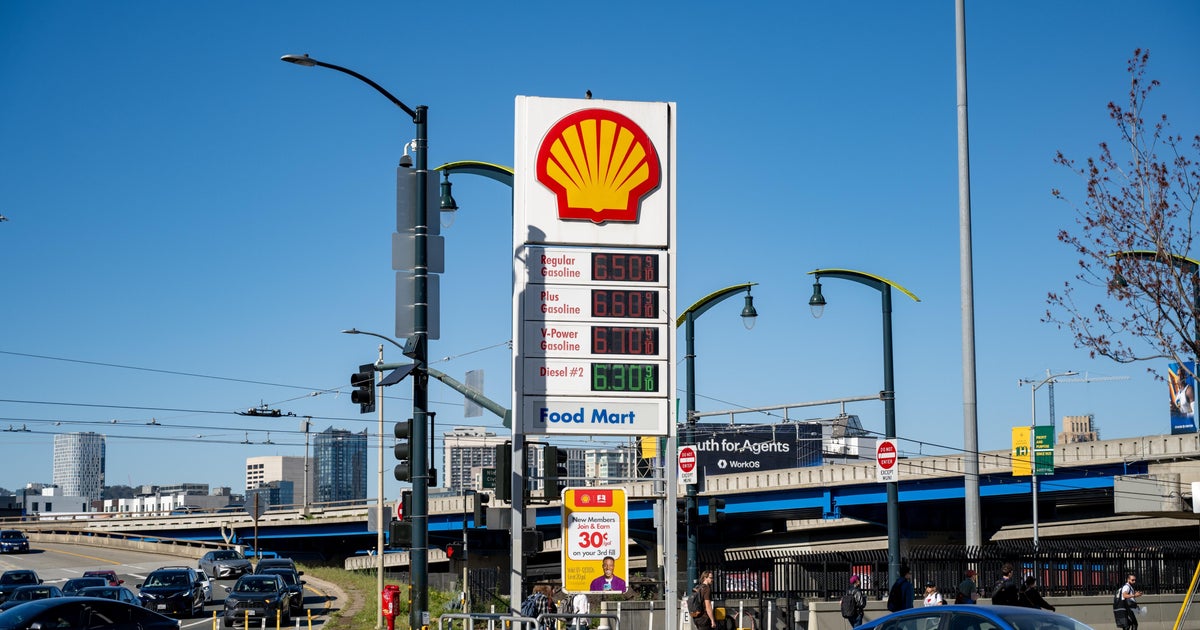
The ongoing conflict in the Middle East has created a ripple effect that’s reaching American wallets in a very tangible way—through significantly higher gas prices. According to recent data from AAA, gas prices have climbed to $3.72 per gallon, representing a substantial increase of 74 cents since the war began. That’s roughly a 25% jump in what many families consider an essential expense. For people who commute to work, drive their kids to school, or rely on their vehicles for daily errands, this increase translates to real financial strain. The unfortunate reality is that these elevated prices aren’t expected to disappear anytime soon, as geopolitical tensions continue to influence global oil markets. However, the good news is that drivers aren’t completely powerless in this situation. Automotive experts and consumer advocates have identified several practical, actionable strategies that can help everyday Americans stretch their fuel dollars further during these challenging times.
The Simple Power of Proper Tire Inflation
One of the easiest and most overlooked ways to improve your fuel economy starts before you even turn the ignition—by checking your tire pressure. It might sound too simple to make a real difference, but the numbers tell a compelling story. The U.S. Department of Energy reports that properly inflated tires can improve your gas mileage by approximately 3%, with some estimates suggesting the benefit could reach as high as 10%. While that might not sound earth-shattering at first, consider what it means over time: on a $50 fill-up, a 3% improvement saves you $1.50 each time, which adds up to real savings over months and years. David Bennett, AAA’s senior automotive manager, explains the science behind this recommendation in straightforward terms. When tires are underinflated, they create more resistance against the road surface. This increased friction means your engine has to work harder to move your vehicle forward, burning more fuel in the process. Properly inflated tires reduce this resistance, allowing your vehicle to glide more smoothly and accelerate more efficiently. The good news is that finding your vehicle’s proper tire pressure is remarkably easy—it’s typically listed on a sticker on your driver’s side door jamb or in your owner’s manual. Most gas stations have air pumps available, often for free, making this a zero-cost strategy that can yield real returns.
Highway Speed: Finding the Fuel-Efficient Sweet Spot
If you do much highway driving, adjusting your speed might be one of the most effective ways to save fuel. It’s a counterintuitive fact for many drivers: going faster doesn’t just mean getting there quicker—it also means burning significantly more gas. The relationship between speed and fuel consumption isn’t linear; rather, fuel economy deteriorates increasingly rapidly as speeds climb above optimal levels. Sean Tucker, who serves as the managing editor for compact and full-size vehicles at Kelley Blue Book, points to 65 miles per hour as the “sweet spot” for most modern vehicles. Today’s cars are engineered and geared to operate most efficiently at around this speed. Push beyond it, and you’ll watch your fuel efficiency decline noticeably. The data backs this up convincingly: according to AAA, simply reducing your highway speed by 5 to 10 mph can improve your mileage by up to 14%. For most vehicles, fuel economy actually peaks at around 50 mph before beginning to taper off. This means that the difference between cruising at 75 mph versus 65 mph could be costing you substantially more than you might realize over the course of a year. One helpful tool that many drivers already have at their disposal is cruise control. By setting your cruise control at an efficient speed, you can maintain that optimal velocity without the natural tendency to gradually speed up that happens when we’re controlling the accelerator manually. This not only helps with fuel efficiency but also reduces driver fatigue on long trips, making it a win-win strategy for highway travel.
Smooth Driving: The Art of Gentle Acceleration and Braking
The way you operate your vehicle’s pedals has a surprisingly large impact on how much fuel you consume. Maintaining a steady, consistent speed while driving is another key strategy for maximizing fuel efficiency, and this means fundamentally changing some common driving habits that many of us have developed over years behind the wheel. The primary culprits? Rapid acceleration and hard braking—those aggressive driving practices that might feel responsive and dynamic but are actually draining your gas tank at an alarming rate. The U.S. Department of Energy has quantified just how costly these habits can be. If you’re driving aggressively on the highway—accelerating hard and braking suddenly—you can lower your gas mileage by roughly 15% to 30%. In stop-and-go traffic, the impact is even more dramatic, potentially reducing fuel efficiency by 10% to 40%. These aren’t small numbers; they represent the difference between getting 400 miles on a tank versus potentially 500 miles or more, just by adjusting your driving style. The alternative approach is what experts call “anticipatory driving.” This means looking ahead, reading traffic patterns, and responding smoothly rather than reactively. When you see brake lights ahead, begin easing off the accelerator early rather than maintaining speed until the last moment. When a traffic light turns red in the distance, there’s no benefit to racing toward it—instead, let your vehicle coast, maintaining forward momentum while allowing friction and gravity to gradually slow you down. As Mackenzie Raetz, senior editor at the personal finance website Penny Hoarder, puts it perfectly: “When you see a red light ahead, there’s no reason to rush to be the first one there. Letting off the accelerator and coasting to a stop can help conserve fuel.” This gentler driving style doesn’t just save gas—it also reduces wear on your brakes, tires, and other vehicle components, potentially saving you money on maintenance as well.
Understanding the Broader Context of Fuel Prices
While individual actions can certainly help mitigate the impact of higher gas prices, it’s worth understanding the broader context of why these prices fluctuate in the first place. Global events, particularly conflicts in oil-producing regions like the Middle East, have immediate and pronounced effects on oil prices worldwide. The petroleum market is truly global, meaning that disruptions anywhere can affect prices everywhere, including at your local gas station. The 25% price increase Americans have experienced since the current conflict began illustrates just how interconnected our world has become. This reality can feel frustrating because it places a significant factor affecting our daily budgets largely outside our control. However, this understanding also reinforces why the practical strategies outlined here are so valuable—they represent the aspects of fuel consumption that we can control. Beyond the immediate crisis, many experts suggest that developing more fuel-efficient driving habits now can provide long-term benefits regardless of whether gas prices eventually decrease. These practices reduce your vehicle’s environmental impact, extend the life of various components, and help you become a more mindful, safer driver overall.
Taking Control Where You Can
In times of economic uncertainty and rising costs, it’s natural to feel somewhat helpless as prices for essentials climb beyond our control. The surge in gas prices driven by international conflicts is a perfect example of how global events can directly impact our daily lives in very practical ways. However, the strategies discussed here—maintaining proper tire pressure, moderating highway speeds, and practicing smooth driving techniques—represent real opportunities to take back some control over your fuel expenses. While none of these individual actions will completely offset a 74-cent-per-gallon increase, together they can make a meaningful difference. A combination of properly inflated tires (3-10% improvement), reduced highway speeds (up to 14% improvement), and smooth driving practices (10-40% improvement in some conditions) could potentially improve your overall fuel economy by 25% or more. For someone filling up weekly at $50 per tank, these changes could translate to savings of over $600 annually—money that could be redirected toward other family needs or savings goals. The beauty of these strategies is their accessibility; they require no special equipment, no expensive modifications, and no advanced mechanical knowledge. They simply require awareness, attention, and a willingness to adjust habits that many of us have developed over years of driving. As gas prices remain elevated for the foreseeable future, these practical steps offer a way forward for American drivers looking to stretch their fuel dollars further while waiting for global conditions to stabilize.