

Major Breakthrough in Benghazi Attack Case: Suspect Arrested After 13 Years
Long-Awaited Justice Begins
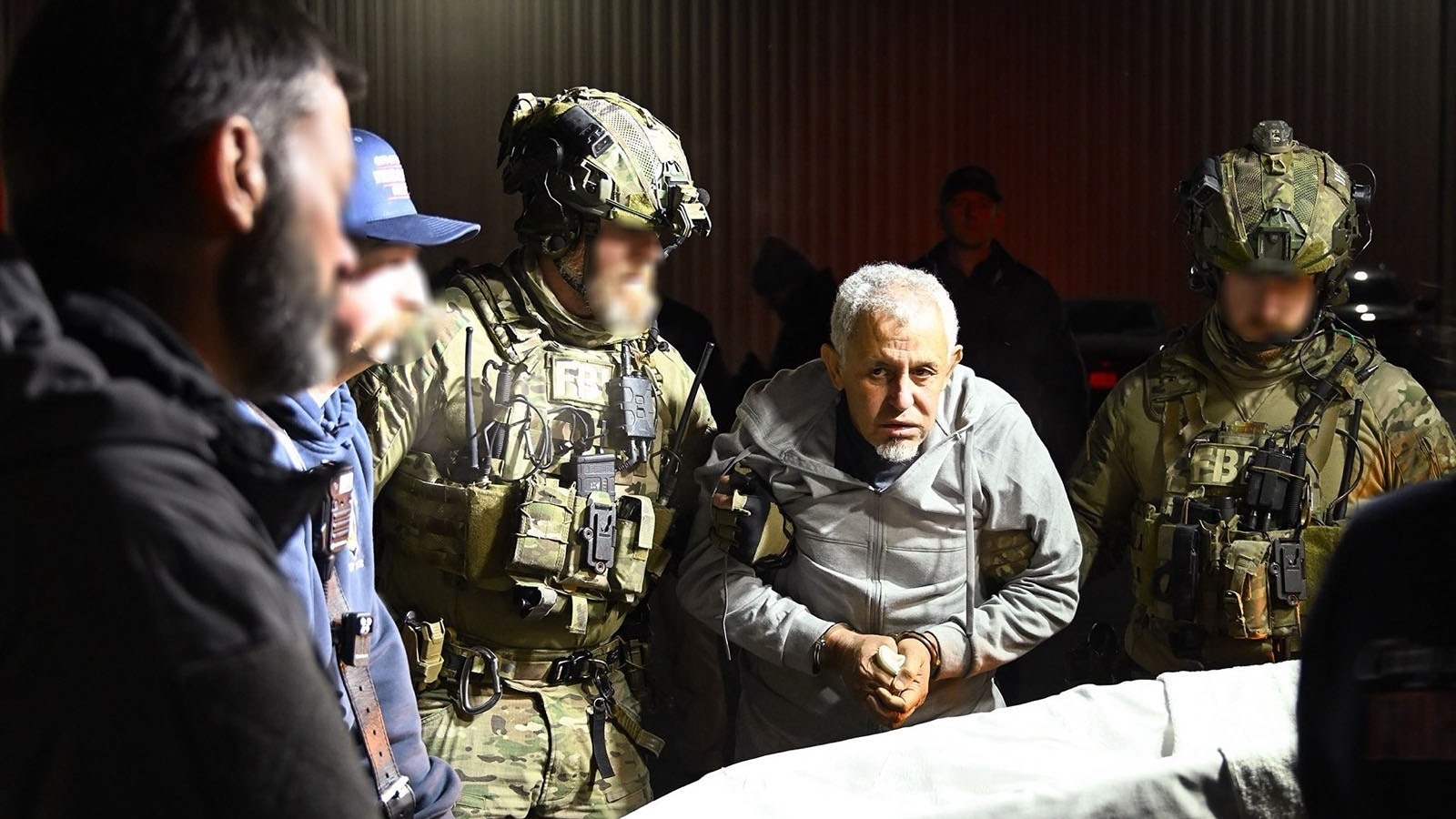
In a significant development that brings renewed attention to one of America’s most controversial diplomatic tragedies, federal authorities announced on Friday the arrest of a key suspect connected to the deadly 2012 terrorist attack on the U.S. embassy compound in Benghazi, Libya. Attorney General Pam Bondi made the announcement during a press conference, standing alongside FBI Director Kash Patel and U.S. Attorney Jeanine Pirro. The suspect, identified as Zubayr al-Bakoush, was transported to Andrews Air Force Base in the early morning hours, arriving at approximately 3:00 a.m. This arrest marks the first in connection with the Benghazi attack in nearly nine years, reigniting discussions about accountability for an incident that claimed the lives of four Americans and left a permanent scar on U.S. diplomatic history. For the families of those who lost their lives that September day, this development represents a long-awaited step toward justice, though it comes more than a decade after their loved ones were killed.
The Tragic Events of September 11, 2012
The attack that claimed four American lives occurred on a date already etched in the nation’s collective memory for tragedy—September 11th. On that evening in 2012, a group of armed men violently stormed the U.S. diplomatic compound in Benghazi, setting buildings ablaze and creating chaos that resulted in the deaths of U.S. Ambassador to Libya Chris Stevens, State Department information management officer Sean Smith, and two CIA contractors, Tyrone Woods and Glen Doherty. The assault unfolded over several hours, beginning at the main diplomatic compound and later extending to a nearby CIA annex. Ambassador Stevens and Smith died from smoke inhalation after attackers set fire to the main building, while Woods and Doherty were killed by mortar fire at the CIA annex during a subsequent assault. The attack shocked the nation and sparked years of intense political debate, congressional investigations, and questions about security protocols at diplomatic facilities in dangerous regions. The incident highlighted the risks faced by American diplomats and security personnel serving in unstable countries, and it led to extensive reviews of security procedures at U.S. diplomatic posts worldwide.
The Charges and Legal Process
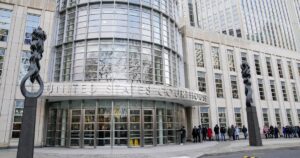
According to U.S. Attorney Jeanine Pirro, al-Bakoush was initially charged by criminal complaint back in 2015, but those charges remained under seal for eleven years as authorities worked to locate and apprehend him. The eight-count indictment, which has now been unsealed, presents serious allegations against the suspect. Specifically, al-Bakoush faces charges for the murder of Ambassador Chris Stevens and State Department employee Sean Smith, the attempted murder of State Department Special Agent Scott Wicklund, conspiracy to provide material support to terrorists that resulted in the deaths of four Americans, and arson at the special mission compound. These charges carry severe penalties and reflect the gravity of the crimes committed that night in Benghazi. Following his arrival in the United States, al-Bakoush made his initial court appearance before a magistrate judge while in custody. During this preliminary hearing, he was represented by a stand-in attorney, and the court postponed his formal arraignment until a permanent court-appointed counsel can be assigned to his case. Federal prosecutors have indicated their intention to seek pretrial detention, arguing that the suspect should remain in custody pending trial. A detention hearing is scheduled for next week, during which arguments will be presented regarding whether al-Bakoush poses a flight risk or danger to the community if released.
Previous Efforts to Bring Perpetrators to Justice
The arrest of al-Bakoush is not the first time U.S. authorities have successfully captured someone connected to the Benghazi attack, though such arrests have been frustratingly rare. In 2017, nearly five years after the attack, U.S. forces captured another suspect, Mustafa al-Imam, and brought him back to the United States to face trial. That case resulted in a conviction on two criminal counts, and al-Imam was sentenced to 19 years in federal prison—a significant achievement in the ongoing effort to hold all those responsible for the attack accountable. However, the nearly nine-year gap between that arrest and the current one underscores the challenges U.S. law enforcement and intelligence agencies face in pursuing suspects in unstable regions where American jurisdiction is limited and cooperation from local authorities can be inconsistent or nonexistent. The Benghazi attack involved multiple perpetrators, and while some have been identified, locating them in the chaotic landscape of post-revolution Libya has proven extraordinarily difficult. Libya descended into civil conflict following the 2011 overthrow of longtime dictator Muammar Gaddafi, creating a power vacuum that terrorist groups exploited. This lawless environment has complicated efforts to investigate the attack and pursue those responsible, making each successful arrest a notable achievement in international law enforcement cooperation.
The Broader Context and Ongoing Impact
The Benghazi attack occurred during a period of significant instability throughout the Middle East and North Africa, often referred to as the Arab Spring’s aftermath. Libya was particularly volatile following Gaddafi’s fall, with various militias, tribal groups, and extremist organizations competing for control. The attack itself became intensely politicized in the United States, spawning multiple congressional investigations and becoming a focal point in subsequent political campaigns. Questions were raised about the adequacy of security at the diplomatic compound, the response to requests for additional protection, and the administration’s initial characterization of the attack. These investigations examined everything from pre-attack security preparations to the military response once the assault began and the public statements made in the days following the tragedy. Beyond the political controversies, the Benghazi attack had lasting implications for how the United States approaches diplomatic security in high-risk areas. The State Department implemented numerous security enhancements at facilities worldwide, reevaluated staffing levels in dangerous posts, and revised protocols for assessing and responding to threats. The incident also highlighted the dangers faced by Foreign Service officers and the need for robust security measures to protect Americans serving their country in hostile environments. For the intelligence and law enforcement communities, Benghazi reinforced the challenges of operating in failed or failing states where traditional governmental structures have collapsed.
Moving Forward: Accountability and Remembrance
The arrest of Zubayr al-Bakoush represents an important milestone in the ongoing pursuit of justice for the four Americans who lost their lives in Benghazi. For the families of Ambassador Stevens, Sean Smith, Tyrone Woods, and Glen Doherty, this development may provide some measure of closure, though it can never fully compensate for their loss. These men were serving their country in a dangerous place, working to advance American interests and assist the Libyan people during a critical transition period. Their sacrifice has not been forgotten, and the determination to hold their killers accountable remains strong despite the passage of time and the substantial obstacles involved. As the legal proceedings against al-Bakoush move forward, they will likely draw significant public attention and possibly revive debates about the attack and its aftermath. The trial will present an opportunity for prosecutors to detail the events of that night and demonstrate al-Bakoush’s alleged role in the violence. Regardless of the political dimensions that have surrounded Benghazi, the core mission remains clear: to pursue justice for murdered American public servants and to send a message that such attacks on U.S. personnel and facilities will not go unpunished, no matter how long it takes to bring perpetrators to justice. The fact that authorities continued working on this case for over a decade, eventually tracking down and capturing al-Bakoush, demonstrates an unwavering commitment to accountability that honors the memory of those who died and supports the principles of justice under law.