
Tragedy in Minab: A School Strike That Has Shaken Iran
A Community in Mourning
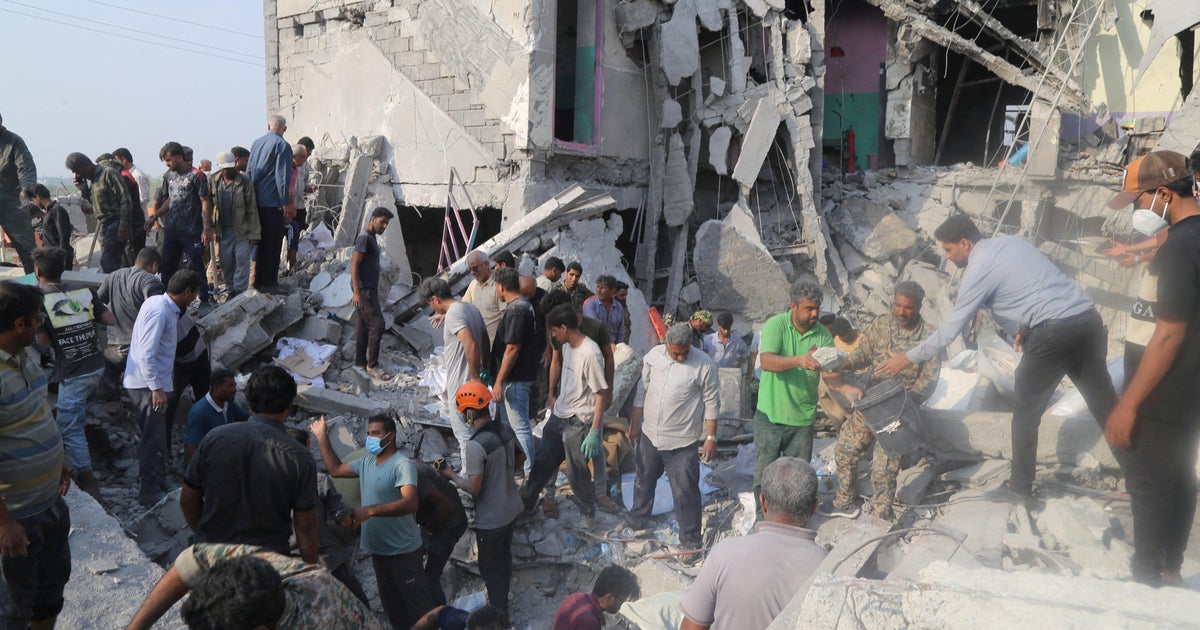
The small Iranian city of Minab became the center of international attention this week as heartbroken residents gathered to bury what authorities claim are victims of an air strike on a girls’ elementary school. The funerals, held on Tuesday, painted a devastating picture of loss as mourners wept over bodies wrapped in white shrouds and coffins draped in Iranian flags, some bearing photographs of young children. Iranian officials have blamed both Israel and the United States for the attack, which they say occurred on the first day of the current conflict and represents the largest single loss of civilian life reported so far. According to Iranian health officials and state media, as many as 175 people were killed in the explosion at the Shajareh Tayyebeh elementary school, with most victims being schoolgirls between just 7 and 12 years old. The images emerging from Minab show excavators preparing at least 100 graves at a mass burial site, while large crowds gathered for prayer services honoring “the children of Minab who perished.” However, it’s important to note that international journalists have not been granted unrestricted access to verify these claims independently, as Iranian authorities require explicit approval for foreign media to report outside Tehran.
What the Evidence Shows
Footage that has circulated widely shows black smoke rising from a damaged building decorated with cheerful murals depicting crayons, children, and an apple—the kind of artwork you’d expect to see adorning any elementary school around the world. CBS News was able to geolocate this footage to a specific building in Minab that Iranian media has identified as the Shajareh Tayyebeh elementary school. The timing is particularly significant because Saturdays are regular school days in Iran, meaning children would have been in class when the explosion occurred. What complicates this story considerably is the location of the school itself. CBS News confirmed that the building sat in close proximity to two facilities controlled by Iran’s Islamic Revolutionary Guard Corps (IRGC), including the IRGC Seyyed Al-Shohada Barracks. Additionally, the Shahid Absalan clinic, which operates under the IRGC navy’s medical command supervision, lies just 780 feet from the school site. Minab’s strategic importance cannot be overlooked either—the city is located near the Strait of Hormuz, one of the world’s most critical shipping lanes for oil and gas transportation. While the footage appears genuine and the location has been verified, news agencies have been unable to independently confirm the exact date the videos were filmed due to restricted access to the area.
Iran’s Accusations and Response
Iranian President Masoud Pezeshkian has been vocal and unequivocal in his condemnation of what he characterizes as U.S.-Israeli strikes on the school. Taking to social media, he declared that “attacks on schools target a nation’s future,” and added that a hospital was also struck in the violence. His words carried the weight of a leader addressing a grieving nation: “Targeting patients and children blatantly violates humanitarian principles. The world must condemn it. I stand with my grieving nation. Iran will not remain silent or yield to these crimes.” Hossein Kermanpour, a spokesman for Iran’s health ministry, claimed on social media that dozens of “young child martyrs” were killed at the school. State television broadcast powerful images of the aftermath—large crowds of mourners in Minab surrounding what appeared to be bodies prepared for burial, individuals preparing small coffins, and aerial shots of the mass grave site being prepared. According to state media reports, Iran held funerals on Tuesday for at least 165 people, including the students allegedly killed in the strike. The Iranian government has used this incident to rally both domestic support and international condemnation, framing it as an attack not just on Iranian citizens but on the very future of the nation by targeting its children.
The American Position: Investigation Underway
When questioned about the alleged incident, U.S. officials have been cautious but firm in their responses. Defense Secretary Pete Hegseth told BBC News that the Pentagon was investigating the matter, stating simply, “All I can say is that we’re investigating, and that we of course never target civilian targets.” He offered no further details about the nature or scope of that investigation. Secretary of State Marco Rubio provided slightly more context in his comments to reporters, saying, “The United States would not deliberately target a school. Our objectives are missiles, both the ability to manufacture them and the ability to launch them.” This statement suggests that if American forces were operating in the area, their targets would have been military infrastructure rather than civilian buildings. The careful wording from both officials—emphasizing that the U.S. doesn’t deliberately target civilians while also not explicitly denying involvement in operations in the area—leaves open questions about what exactly happened. The investigation they’ve mentioned could take days or weeks to complete, and whether its findings will be made public remains to be seen. For the families mourning in Minab, these diplomatic statements likely offer little comfort as they struggle to understand how their children’s school became a site of such tragedy.
Israel’s Denial and Caution
The Israeli response has been more direct in distancing the country from the incident. Israeli military spokesman Nadav Shoshani told CBS News that the Israel Defense Forces had not “found any connection to our operations” when asked specifically about the alleged school strike. When pressed by CBS News correspondent Matt Gutman about whether he was suggesting the Iranian claims amounted to misinformation, Shoshani urged “caution when using information that’s provided by a regime that massacres their own people.” He went on to tell reporters, “At this point not aware of an Israeli or an American strike there. We’re operating in an extremely accurate manner.” This response serves multiple purposes for Israel—it denies responsibility while also casting doubt on the credibility of Iranian reporting and emphasizing the precision of Israeli military operations. However, Shoshani’s comments also reveal the complexity of the situation. Rather than issuing a flat denial that Israeli forces were operating anywhere in the region, he specifically said they weren’t aware of a strike at this particular location and hadn’t found a connection to their operations. This leaves open the possibility that Israeli forces were active in the broader area, just not at this specific school. The Israeli position essentially asks the international community to trust their version of events over Iran’s, pointing to Iran’s authoritarian government as inherently unreliable while positioning Israeli military operations as careful and targeted.
International Calls for Accountability and Unanswered Questions
United Nations human rights chief Volker Turk has called for a prompt, impartial, and thorough investigation into the attack, with U.N. human rights office spokeswoman Ravina Shamdasani making clear that “the onus is on the forces that carried out the attack to investigate it.” This places responsibility squarely on whoever was behind the strike to provide transparency and answers. Norway-based rights group Hengaw has also weighed in, saying it was seeking information about the identities of the victims. The organization noted that at the time of the incident, the school was holding its morning session with approximately 170 students present. Significantly, Hengaw stated that the strike’s intended targets were reportedly the nearby IRGC facilities—though this claim has not been independently verified. The rights group also made a crucial observation about the broader context: “The establishment and expansion of military facilities in close proximity to schools and public spaces place civilians at heightened risk.” This statement, while not assigning blame for the strike itself, raises important questions about Iran’s decision to locate military infrastructure so close to an elementary school. As the international community waits for more information, the people of Minab continue to mourn their dead. The truth of what happened may take considerable time to fully emerge, complicated by restricted media access, the fog of war, and the competing narratives of governments with their own political interests. What remains undisputed is that a community has suffered an immense tragedy, and families are burying children who will never return to their classrooms.