


Cuban Terrorism Charges: American Among Dead in Armed Speedboat Incident
Terrorism Charges Filed Against Six Suspects
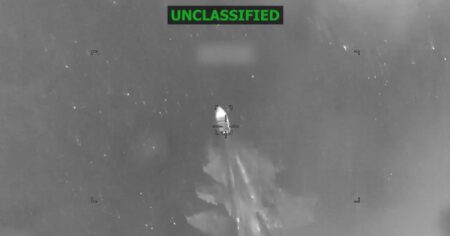
Cuba’s government announced Wednesday that it has formally filed terrorism charges against six individuals who were allegedly aboard a Florida-registered speedboat involved in an armed confrontation with Cuban military forces in waters along the island’s northern coastline. The suspects, all of Cuban origin according to Cuban authorities, are currently being held in pretrial detention as the investigation continues. In an official statement, Cuba’s Prosecutor’s Office pledged to ensure “due process” throughout the legal proceedings while emphasizing its commitment to defending the Cuban people and the nation’s governmental institutions. This incident has quickly escalated into a complex international affair involving Cuban nationals, American citizens, and questions about unauthorized military-style operations originating from United States territory.
The confrontation, which resulted in multiple deaths, has raised serious questions about cross-border activities and the ongoing tensions between Cuba and segments of the Cuban-American community in Florida. According to the Cuban government’s account, the vessel carried ten heavily armed individuals of Cuban descent who had traveled from the United States with the alleged intention of infiltrating the island to carry out terrorist activities. Cuban military personnel reportedly engaged the group when they opened fire first, resulting in a deadly exchange that left four of the boat’s occupants dead. The incident highlights the continuing political divisions and passionate feelings that still exist decades after the Cuban revolution, particularly among exile communities in South Florida who maintain strong opposition to the communist government that has controlled the island since 1959.
American Citizens Among the Dead and Detained
The situation became further complicated when the White House confirmed to CBS News that at least one American citizen was among the four individuals killed during the armed confrontation, a detail that was initially reported by Axios news organization. This confirmation transforms what might have been viewed as an internal Cuban matter into a significant international incident involving U.S. citizens. Furthermore, U.S. officials disclosed to CBS News that at least one American citizen is among those who were arrested and are now facing terrorism charges in Cuba. The demographics of the group paint a complex picture of immigration and citizenship status—at least one person aboard the vessel held a K-1 visa, which is specifically designed to allow foreign nationals engaged to American citizens to enter the United States for the purpose of marriage. Additionally, other individuals on the boat are believed to hold legal permanent resident status in the United States, though the exact number of green card holders involved remains unclear at this time.
Adding another layer of complexity to this already complicated incident, the boat’s registered owner in Florida has claimed that the speedboat was actually stolen by an employee, according to both U.S. officials and an incident report filed with the Monroe County Sheriff’s Office in Florida. This claim, if substantiated, could potentially provide some of the suspects with a defense argument, though it does nothing to explain the substantial weaponry found aboard the vessel or the apparent intention to conduct armed operations on Cuban soil. The theft allegation raises questions about how such a heavily armed expedition could have been organized and launched from Florida without detection by American law enforcement authorities, particularly given the strict federal laws governing unauthorized military expeditions against foreign nations with which the United States maintains diplomatic relations.
Substantial Weapons Cache Seized by Cuban Authorities
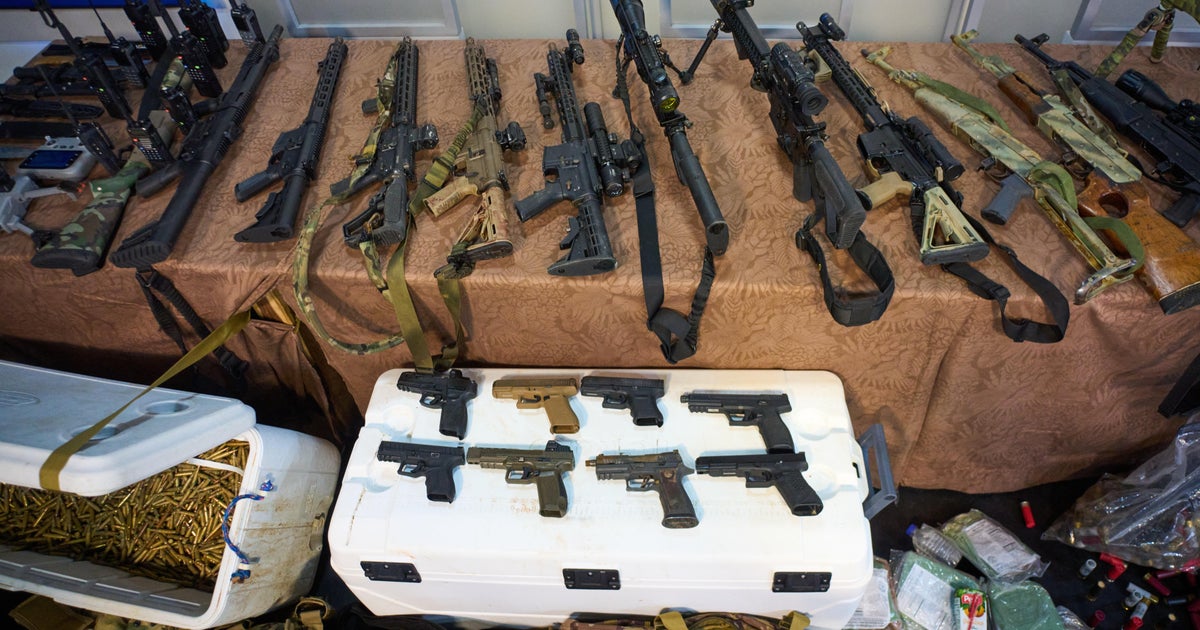
In a public display clearly designed to support their terrorism narrative and demonstrate the seriousness of the alleged plot, Cuban government officials showcased the substantial arsenal they claim to have recovered from the speedboat following the deadly confrontation. The weapons cache presented by authorities was extensive and concerning, including approximately a dozen high-powered rifles, more than 12,800 rounds of ammunition, and eleven pistols. The sheer quantity and military-grade nature of these weapons lend credibility to Cuban claims that this was not simply a case of refugees attempting to return to their homeland, but rather a planned armed operation intended for combat purposes. Photographs released by Cuban authorities show the weapons carefully arranged for display in Havana, a presentation that serves both evidentiary and propaganda purposes for the Cuban government.
According to Chief Prosecutor Edward Robert Campbell, who spoke with The Associated Press about the legal proceedings, terrorism charges under Cuban law carry extraordinarily severe potential penalties. Those convicted could face prison sentences of up to 30 years, and in the most serious cases, the charges technically carry the possibility of capital punishment. However, Campbell noted that Cuba has maintained a self-imposed moratorium on executions since 2003, making it unlikely that the death penalty would actually be imposed even if convictions are secured. Nevertheless, the suspects face the very real possibility of spending decades in Cuban prisons if found guilty, a prospect that has undoubtedly caused significant concern among their families and within the broader Cuban-American community in South Florida, where many residents maintain strong ties to relatives still living on the island despite decades of separation.
Family Members Describe Obsession with Overthrowing Cuban Government
In a revealing and emotionally charged interview with The Associated Press, Misael Ortega Casanova, the brother of one of the men killed in the incident, provided insight into what may have motivated his sibling and the others to undertake such a dangerous and ultimately fatal mission. Ortega Casanova described his brother, Michael Ortega Casanova, as having become consumed by an “obsessive and diabolical” fixation on liberating Cuba from its communist government. This characterization suggests that ideological fervor, rather than careful strategic planning, may have driven the group’s actions. The brother’s comments paint a picture of individuals so deeply committed to their cause that they lost perspective on the realistic outcomes of their planned operation and failed to adequately consider the dangers they were placing themselves in.
The incident reflects a long-standing pattern within segments of the Cuban exile community in the United States, particularly in South Florida, where opposition to the Cuban government has remained intense for generations. Cuban Americans and Cuban nationals living in the United States have conducted ongoing protests against the island’s leadership for decades, consistently accusing the government of serious human rights violations, political oppression, and economic mismanagement. However, most opposition activity has remained peaceful and political in nature, making this alleged armed expedition an extreme outlier. “They became so obsessed that they didn’t think about the consequences nor their own lives,” Casanova said of his brother and the other men aboard the vessel, a statement that captures both his grief and his understanding that ideology had clouded their judgment. This tragic incident serves as a reminder of how political passions, when taken to extremes without rational consideration of consequences, can lead to devastating outcomes that accomplish nothing while destroying lives and causing immeasurable pain to families on all sides of political divides.