

Major Cocaine Seizure in Pacific Ocean Highlights Colombia’s Drug Trafficking Challenge
A Dramatic Chase on the High Seas
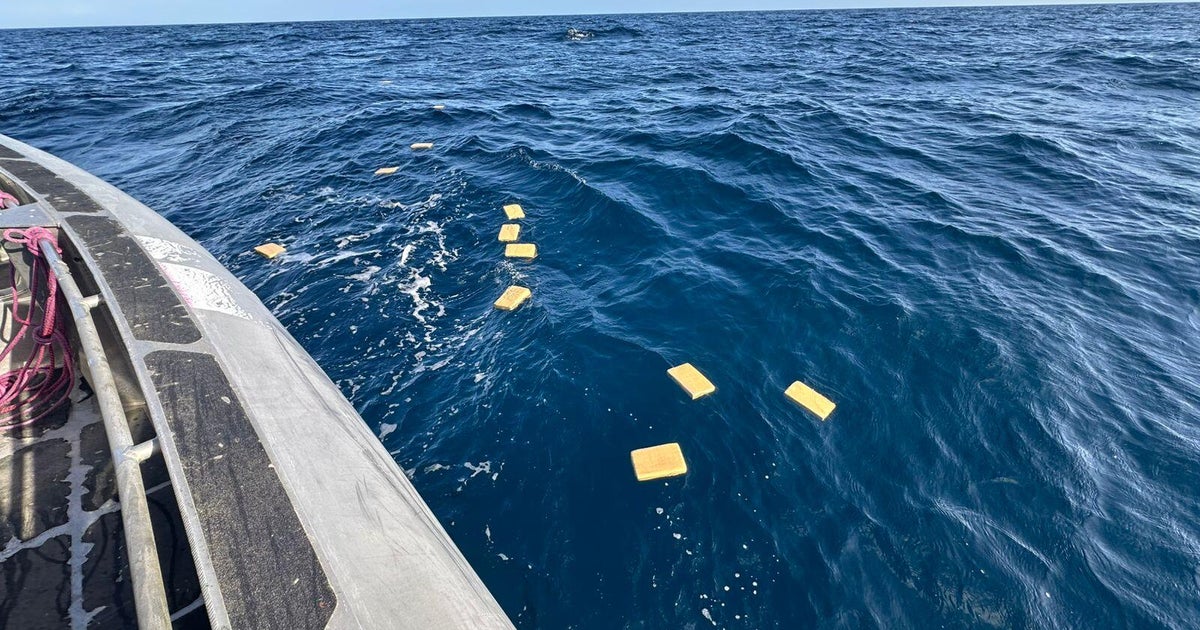
In a scene that could have been pulled from a Hollywood action thriller, Colombian naval forces intercepted a high-speed vessel carrying a massive cocaine shipment approximately 55 nautical miles off the country’s Pacific coast. The dramatic encounter unfolded as the speedboat’s crew, realizing they were being pursued by authorities, made a desperate decision to jettison their illegal cargo into the ocean. More than 100 rectangular packages containing cocaine were thrown overboard in what appears to have been a last-ditch attempt to avoid prosecution or perhaps to destroy evidence of their criminal enterprise. Despite the crew’s frantic efforts to dispose of the drugs, Colombian naval officers managed to recover 116 packages from the Pacific waters, representing a significant blow to international drug trafficking operations. The seized cocaine weighed in at 115.7 kilograms and was valued at approximately $5.6 million, which the navy calculated would have amounted to roughly 289,000 individual doses once distributed on the streets. The Colombian authorities documented the operation with multiple photographs showing the packages bobbing in the ocean waves, providing visual evidence of both the scale of the operation and the lengths to which traffickers will go to evade capture.
The Timing Couldn’t Be More Significant
The announcement of this major drug bust carried particular weight given its timing—it came on the very same day that Colombian President Gustavo Petro was sitting down with President Trump at the White House for what has been described as a crucial diplomatic meeting. The coincidence of these two events—a successful anti-drug operation at sea and a high-level presidential summit—underscores the complex and often tense relationship between the United States and Colombia when it comes to the ongoing battle against narcotics trafficking. Colombia holds the unfortunate distinction of being the world’s largest cocaine-producing nation, a reality that has shaped its international relations for decades and continues to define much of its interaction with the United States. White House Press Secretary Karoline Leavitt addressed reporters about the meeting, noting that President Trump had been in a “positive headspace” leading up to the discussions and had been looking forward to the encounter, though she couldn’t provide details since the meeting hadn’t concluded at the time of her briefing. President Petro himself had previously expressed to CBS News his hope that constructive dialogue with President Trump could help “stop a world war,” suggesting the high stakes he perceived in maintaining a productive relationship with the United States.
America’s Aggressive Military Campaign Against Drug Trafficking
The seizure of cocaine packages in the Pacific Ocean represents just one operation within a much broader and increasingly militarized American campaign against drug trafficking in the waters surrounding South America. Since September of the previous year, the Trump administration has pursued an aggressive strategy involving military strikes against vessels suspected of transporting drugs through both the Pacific Ocean and Caribbean Sea. This campaign has been controversial, not least because it has resulted in significant loss of life—more than 100 people have been killed in these operations, raising questions about the proportionality of the response and the rules of engagement when dealing with suspected drug smugglers. The approach reflects a hardline stance on drug interdiction that prioritizes disrupting the supply chain through direct military action rather than relying solely on law enforcement cooperation with partner nations. These operations target the so-called “go-fast” vessels—high-speed boats specifically designed to outrun coast guard and naval vessels while carrying their illicit cargo across international waters to distribution points throughout the Americas and beyond.
Strained Relations and Harsh Rhetoric
The relationship between Washington and Bogotá has deteriorated significantly in recent times, with the United States government expressing frustration over what it perceives as Colombia’s failure to effectively combat a troubling spike in cocaine production within its borders. The tensions reached a particularly sharp point last October when President Trump made the extraordinary accusation that President Petro was an “illegal drug leader”—an inflammatory characterization that represented a dramatic escalation in rhetoric between the two nations. Following Trump’s statement, Treasury Secretary Scott Bessent announced that the United States would impose sanctions not only on President Petro himself but also on members of his family, a move that carries both symbolic and practical consequences for international travel and financial transactions. In another significant diplomatic blow, the United States removed Colombia from its list of allies in the war on drugs, effectively declaring that the South American nation could no longer be considered a reliable partner in counter-narcotics efforts. This downgrade in status represents a stark reversal from previous decades when Colombia and the United States worked closely together against powerful drug cartels, and it signals Washington’s deep dissatisfaction with current trends in cocaine production and trafficking originating from Colombian territory.
Colombia Pushes Back with Results
Despite the criticism and sanctions from Washington, the Colombian government has been working to demonstrate its commitment to fighting drug trafficking through a series of high-profile seizures that showcase the country’s counter-narcotics capabilities. The recent Pacific Ocean bust is only the latest in a string of significant operations that Colombian authorities have announced in recent months. Just last month, the Colombian Navy achieved another major success when it seized over two tons of cocaine after pursuing and intercepting a speedboat loaded with both drugs and fuel in the South Pacific Ocean—a haul that represents millions of dollars in street value and a substantial disruption to trafficking networks. Even more impressively, in November, Colombia announced what it described as its largest cocaine seizure in a decade: a staggering 14 tons of the drug confiscated at the country’s main Pacific port. These operations suggest that Colombian law enforcement and military forces are actively engaging with the drug trafficking problem, even as political tensions simmer with the United States over whether enough is being done to address cocaine production at its source within Colombian territory.
The Ongoing Challenge of the Drug War
The incident of cocaine packages being thrown into the Pacific Ocean and subsequently recovered by Colombian naval forces serves as a vivid reminder of the ongoing challenges that both Colombia and the United States face in combating the international drug trade. Despite decades of counter-narcotics efforts, billions of dollars spent on interdiction and eradication programs, and countless lives lost in the struggle against cartels and trafficking organizations, cocaine continues to flow from South American production centers to consumer markets around the world. The “go-fast” vessels that streak across Pacific and Caribbean waters represent just one link in a complex supply chain that adapts constantly to law enforcement pressure, finding new routes, new methods, and new partnerships to keep the drugs moving. The diplomatic tensions between Colombia and the United States add another layer of complexity to an already difficult situation, as effective counter-narcotics work typically requires close cooperation between source, transit, and destination countries. As President Petro and President Trump met to discuss these and other issues, the men and women of the Colombian Navy were literally pulling drug packages from the ocean—a practical demonstration of the work that continues regardless of political rhetoric. Whether this latest seizure and the recent spate of major busts will be enough to satisfy American demands for more aggressive action against cocaine production remains to be seen, but it certainly provides Colombia with tangible evidence of its ongoing efforts in this seemingly endless war.