


Severe Public Punishment Under Sharia Law Shocks Indonesia’s Aceh Province
A Harsh Display of Religious Justice
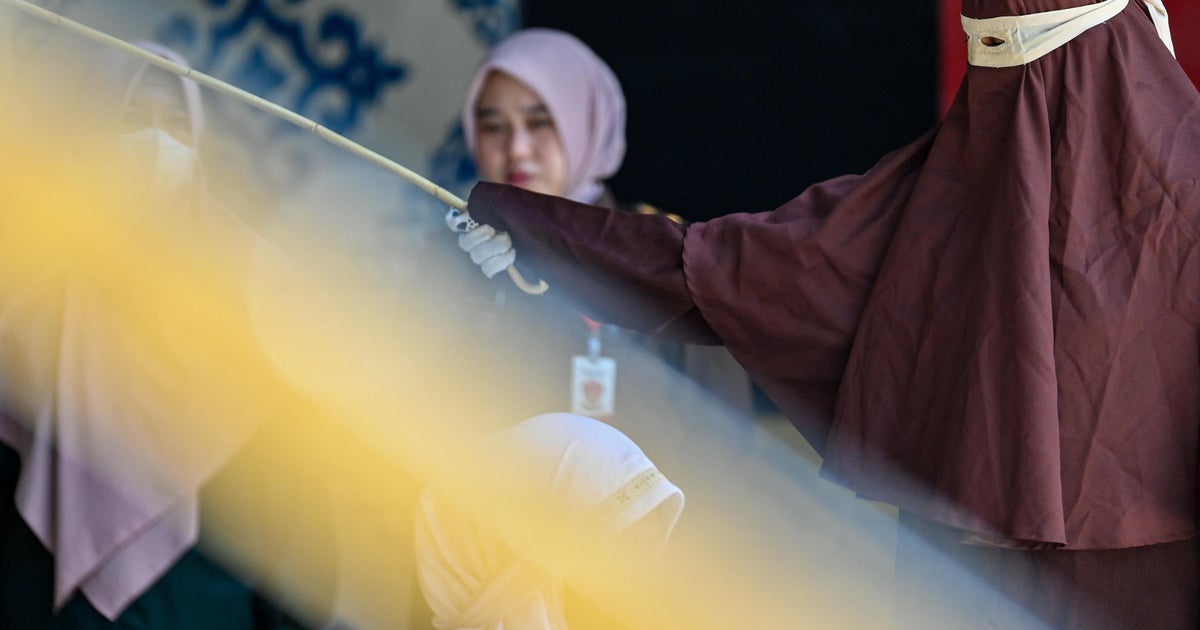
In a startling display of religious law enforcement that has drawn international attention, authorities in Indonesia’s Aceh province carried out one of the most severe public canings in the region’s recent history. On a Thursday in Banda Aceh, the provincial capital, a man and woman were each subjected to 140 lashes with a rattan cane in front of dozens of onlookers gathered in a public park. Their crimes, according to the strict interpretation of Islamic law practiced in this unique corner of Indonesia, were having sexual relations outside of marriage and consuming alcohol. The woman collapsed during her punishment and required medical assistance, being carried away in an ambulance after enduring the brutal ordeal. This incident represents one of the highest numbers of cane strikes administered since Aceh was granted special autonomy to implement sharia law back in 2001, marking a particularly harsh example of the region’s commitment to enforcing its religious legal code.
Understanding Aceh’s Unique Legal Landscape
Aceh stands alone in Indonesia as the only province authorized to implement and enforce sharia law, a privilege granted through special autonomy status that the federal government extended in 2001. This autonomy means that while the rest of Indonesia operates under a different legal framework, Aceh has the authority to punish residents according to its interpretation of Islamic law, and the central government in Jakarta cannot intervene in these matters. The province’s version of sharia criminalizes a wide range of behaviors that would be perfectly legal elsewhere in the country, including gambling, drinking alcohol, homosexual relations, and any form of intimate contact between unmarried couples. Even men who fail to attend Friday prayers can face corporal punishment. This unique legal situation creates a dramatically different daily reality for Aceh’s residents compared to their fellow Indonesians in other provinces, where such religious laws don’t apply. The arrangement reflects Indonesia’s complex balancing act between maintaining national unity while acknowledging the deeply conservative religious character of certain regions, particularly Aceh, which has a long history of Islamic observance and once experienced significant separatist movements.
The Details of This Particular Case
The couple who received the most severe punishment were struck a combined total of 140 times each—100 lashes for engaging in sexual relations outside of marriage and an additional 40 for alcohol consumption. According to Muhammad Rizal, the head of Banda Aceh’s Sharia police force, this represents one of the highest caning counts administered since the implementation of sharia law in the province. The punishment was carried out with a rattan stick applied to their backs while members of the public watched, a deliberate choice to make the punishment serve as both penalty and public deterrent. The physical toll was evident when the woman lost consciousness after enduring her lashes and had to be carried away by medical personnel and sharia police members to receive treatment. They were not the only ones punished that day—in total, six people were flogged for various violations of the Islamic code. Among them were a sharia police officer and his female partner, who had been discovered in close proximity in a private location, a violation of the strict codes governing interactions between unmarried men and women. Each received 23 strikes, a punishment that Muhammad Rizal acknowledged was particularly embarrassing for the sharia police force but necessary to demonstrate that enforcement applies equally to everyone, regardless of position or status.
No Exceptions, Even for Enforcers
The fact that one of the punished individuals was himself a member of the sharia police force adds a particularly complex dimension to this story. Muhammad Rizal’s statement that “we make no exceptions, especially not for our own members” reveals the rigid application of these laws, even when it means publicly humiliating members of the enforcement apparatus itself. Rizal acknowledged that having one of their own officers caned “certainly tarnishes our name,” yet the punishment proceeded nonetheless. This incident involving the officer and his female companion, who were caught in inappropriate proximity in a private space, demonstrates how extensively these laws intrude into personal lives and private spaces. The punishment they received—23 lashes each—though significantly less than the 140 administered to the other couple, still represents a severe public humiliation and physical punishment. The willingness to cane one of their own officers suggests either a genuine commitment to equal application of the law or, perhaps, a recognition that showing favoritism would undermine the entire system’s legitimacy in the eyes of Aceh’s conservative population.
Broad Support Despite International Criticism
Despite the harsh nature of these punishments and the criticism they often draw from international human rights organizations, caning continues to enjoy substantial support among Aceh’s population as an appropriate way to enforce Islamic law and maintain moral standards in society. The public nature of these punishments is intentional—they serve not just to penalize the offender but to send a clear message to the broader community about acceptable behavior and the consequences of transgression. The range of offenses subject to caning is extensive, encompassing activities that in most of the world would be considered personal choices: gambling, drinking alcohol, engaging in homosexual relations, having any form of sexual or romantic contact outside of marriage, and even missing Friday prayers for men. Last year, two men were publicly flogged 76 times each after being found guilty of engaging in sexual relations—they had been caught embracing and kissing in a public restroom. The fact that such intimate aspects of personal life are subject to not just legal prohibition but public corporal punishment reflects the degree to which Aceh’s interpretation of sharia law seeks to regulate all aspects of behavior and morality.
The Broader Context and Ongoing Controversy
This incident highlights the ongoing tension between Indonesia’s identity as a pluralistic, moderate Muslim-majority nation and the reality of Aceh’s much stricter interpretation of Islamic law. While Indonesia as a whole has no national law criminalizing homosexual relations or many of the other behaviors punished in Aceh, the special autonomy granted to the province means that two very different legal and social realities exist within the same country. This arrangement raises fundamental questions about human rights, personal freedom, and the appropriate role of religious law in modern governance. International human rights organizations have repeatedly criticized these practices as cruel and degrading, arguing that public corporal punishment violates basic human dignity and international conventions. However, supporters within Aceh argue that these measures are essential to maintaining Islamic values and social order in their community, and that outsiders have no right to impose different values on their society. The federal government’s inability to intervene, due to the autonomy agreement, means these practices will likely continue regardless of outside pressure. For the individuals subjected to these punishments, the physical pain is accompanied by public humiliation and potential social stigma that can affect their lives long after the wounds heal. As Aceh continues to enforce its version of sharia law with apparent public support, these scenes of public caning will likely remain a controversial feature of life in Indonesia’s most religiously conservative province, representing a complex intersection of tradition, religion, law, and human rights that defies easy answers.