


Japan’s Prime Minister Takaichi Bets on Popularity in Crucial Snap Election
A New Era of Leadership Amid Regional Tensions
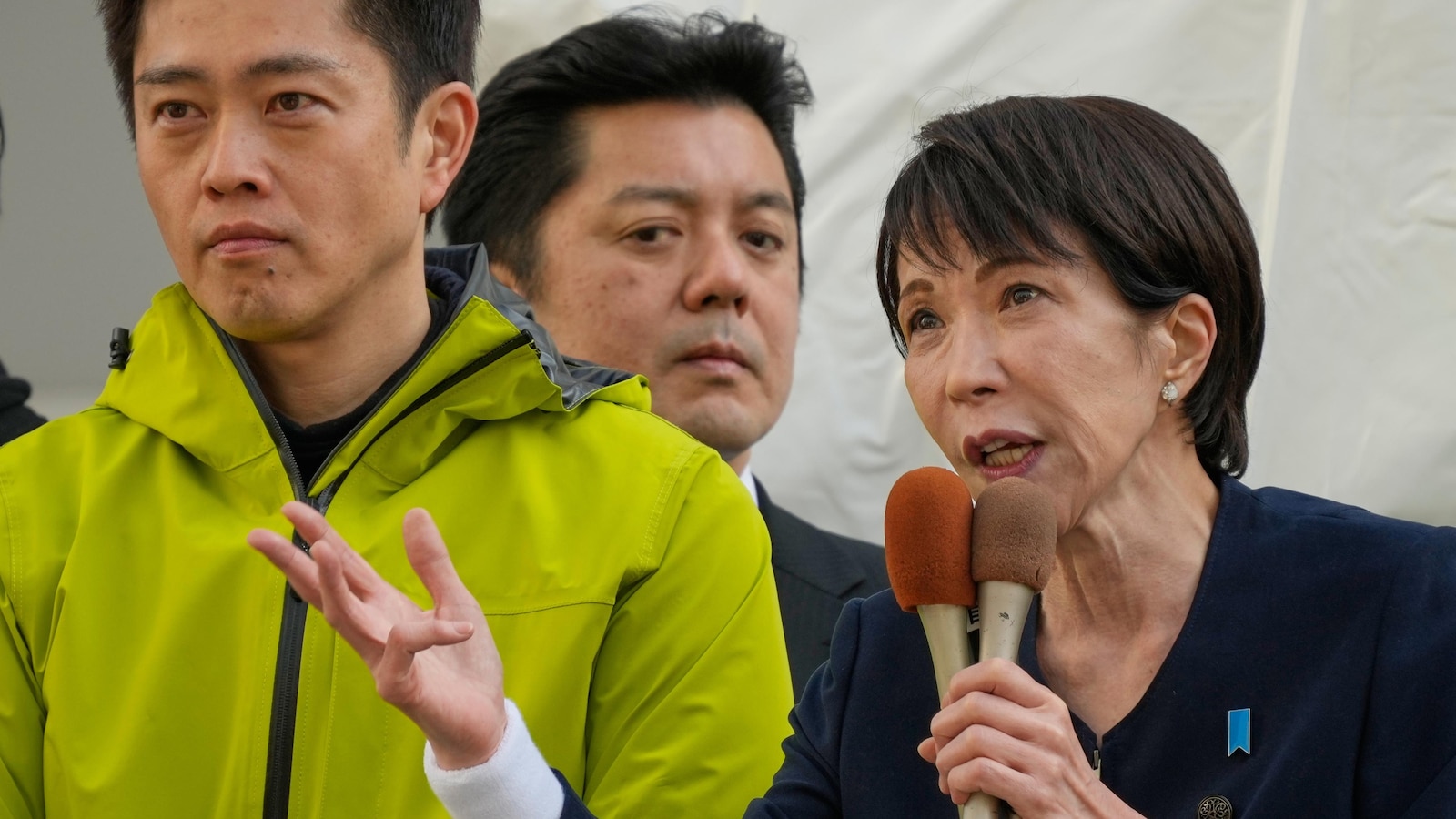
Japan finds itself at a pivotal political moment as Prime Minister Sanae Takaichi, the country’s first female leader, faces a critical test of her leadership in Sunday’s snap election. Since taking office in October as an ultraconservative politician, Takaichi has managed to capture the public’s imagination with her distinctive leadership style and relentless “work, work, work” approach that particularly resonates with younger voters. Her rise comes at a time when Japan is navigating increasingly complex geopolitical challenges, including mounting tensions with China and an unpredictable relationship with the United States under President Donald Trump. The election represents more than just a routine political exercise—it’s essentially a referendum on Takaichi’s right-wing agenda, which aims to fundamentally reshape Japan’s economy, military posture, and position on the global stage. The stakes couldn’t be higher, as Takaichi herself has declared that she will step down if her Liberal Democratic Party (LDP) fails to secure a majority, making this election a make-or-break moment for her political career and vision for Japan’s future.
Coalition Dynamics and the Path to Victory
Latest polling data suggests that Takaichi is heading toward a potentially decisive victory, with her Liberal Democratic Party poised for what could be a landslide win in the lower house of parliament. The opposition remains fragmented despite attempts to form new alliances, including a centrist coalition that has struggled to gain traction with voters. Takaichi’s strategy centers on securing a majority through a partnership between her LDP and the Japan Innovation Party (JIP), a right-leaning political force that shares many of her policy priorities. Together, these parties aim to control the 465-seat lower house, which holds more power than Japan’s upper chamber. Major newspaper surveys indicate the coalition could potentially secure as many as 300 seats—a dramatic improvement from the thin majority the LDP held following its disappointing performance in the 2024 election. However, the political landscape remains complicated by the fact that Takaichi’s coalition lacks a majority in the upper house, meaning she will still need to find ways to work with opposition parties to pass certain legislation, creating potential obstacles to her ambitious agenda.
A Rightward Shift in Japanese Politics
The potential outcome of Sunday’s election could mark a significant ideological shift in Japanese politics, moving the country decidedly further to the right on issues ranging from national security to immigration policy. Takaichi’s new partnership with the Japan Innovation Party, combined with the rising influence of far-right populist movements like the anti-globalist Sanseito party, signals a departure from Japan’s traditionally moderate political center. This represents a dramatic change from previous coalition arrangements, particularly the split with the Buddhist-backed Komeito party, which had been the LDP’s longtime partner. Komeito broke away from the LDP over concerns about Takaichi’s political views and what they perceived as insufficient anti-corruption measures, instead forming a centrist alliance with the liberal-leaning Constitutional Democratic Party of Japan. This new centrist coalition has promised policies including “realistic” security measures, support for a nuclear weapons-free world, and promotion of diversity—positions that stand in stark contrast to Takaichi’s platform. Political experts note that left-leaning parties are increasingly losing ground, particularly among younger voters who view traditional war-renouncing and anti-nuclear policies as unrealistic in today’s geopolitical environment.
Bold Security and Defense Reforms
At the heart of Takaichi’s agenda is a comprehensive overhaul of Japan’s security and defense policies, representing one of the most dramatic shifts in the country’s postwar history. She has pledged to revise these policies by December, with plans to significantly bolster Japan’s offensive military capabilities and lift the longstanding ban on exporting lethal weapons—moves that would take Japan further away from the pacifist principles enshrined in its postwar constitution. These proposals include tougher policies on foreigners, enhanced anti-espionage measures, and other initiatives that appeal to her right-wing base but have raised concerns among civil rights advocates who worry about potential erosions of fundamental freedoms. The pressure to increase defense spending has been amplified by President Trump’s demands that Japan contribute more financially to its own defense and the broader security architecture in the Asia-Pacific region. During her campaign, Takaichi has strategically focused her public messaging on economic issues and immigration reform, including stricter requirements for foreign property owners and caps on foreign residents, while downplaying some of her more controversial positions. This calculated approach reflects her awareness that while her base supports bold reforms, she needs to maintain broader appeal to secure the mandate she seeks.
Navigating the China Challenge and Trump Factor
Japan’s relationship with China has become increasingly strained under Takaichi’s leadership, particularly after she suggested that Japan could become involved if China takes military action against Taiwan—a self-governing island that Beijing claims as part of its territory. This statement represented a departure from the strategic ambiguity that previous Japanese leaders had maintained on the Taiwan issue, and it provoked an angry response from Beijing, which has since escalated economic and diplomatic pressure on Japan. The prolonged tensions and tangible economic impact from China’s trade and diplomatic retaliation have forced Takaichi to somewhat moderate her rhetoric, though her fundamental positions remain unchanged. Adding another layer of complexity to Japan’s international position is the relationship with the Trump administration, which continues to push Japan to increase weapons purchases amid ongoing U.S.-China rivalry in the region. In what represents a significant boost for Takaichi’s campaign, President Trump issued a rare endorsement on Thursday, praising her as “a strong, powerful, and wise leader” and announcing an invitation for her to visit the White House on March 19. Trump’s endorsement, in which he declared “She will not let the people of Japan down,” provides important international validation for Takaichi but also ties her fortunes more closely to the unpredictable American president.
Challenges and Uncertainties Ahead
Despite the favorable polling numbers, Takaichi and her party face several challenges that could impact both the election results and her ability to govern effectively if victorious. Record snowfall in northern Japan has created logistical problems that could hinder voter turnout in those regions and potentially delay vote counting, introducing an element of unpredictability into what otherwise appears to be a straightforward path to victory. More significantly, the LDP continues to struggle with the fallout from political funding scandals and its deep-rooted connections to the controversial Unification Church, issues that came to light during the investigation into the 2022 assassination of former Prime Minister Shinzo Abe. Opposition leaders have demanded that Takaichi provide clear explanations regarding newly surfaced documents that allegedly link her and her party to the church, which faces hundreds of lawsuits from Japanese families claiming it manipulated members into donating their life savings. While residents like Tokyo’s Chiharu Sasaki acknowledge that having a female leader is positive, many remain cautious, noting that while Takaichi projects an image of someone who gets things done, she hasn’t yet proven herself in office. Perhaps the biggest unknown is whether Takaichi’s popularity among younger generations—a demographic traditionally known for low voter turnout—will actually translate into votes at the ballot box, or whether her support will prove more symbolic than substantive when it comes to electoral outcomes.