


Poland Launches Investigation into Epstein Documents for Potential Victims
Prime Minister Calls for Comprehensive Review
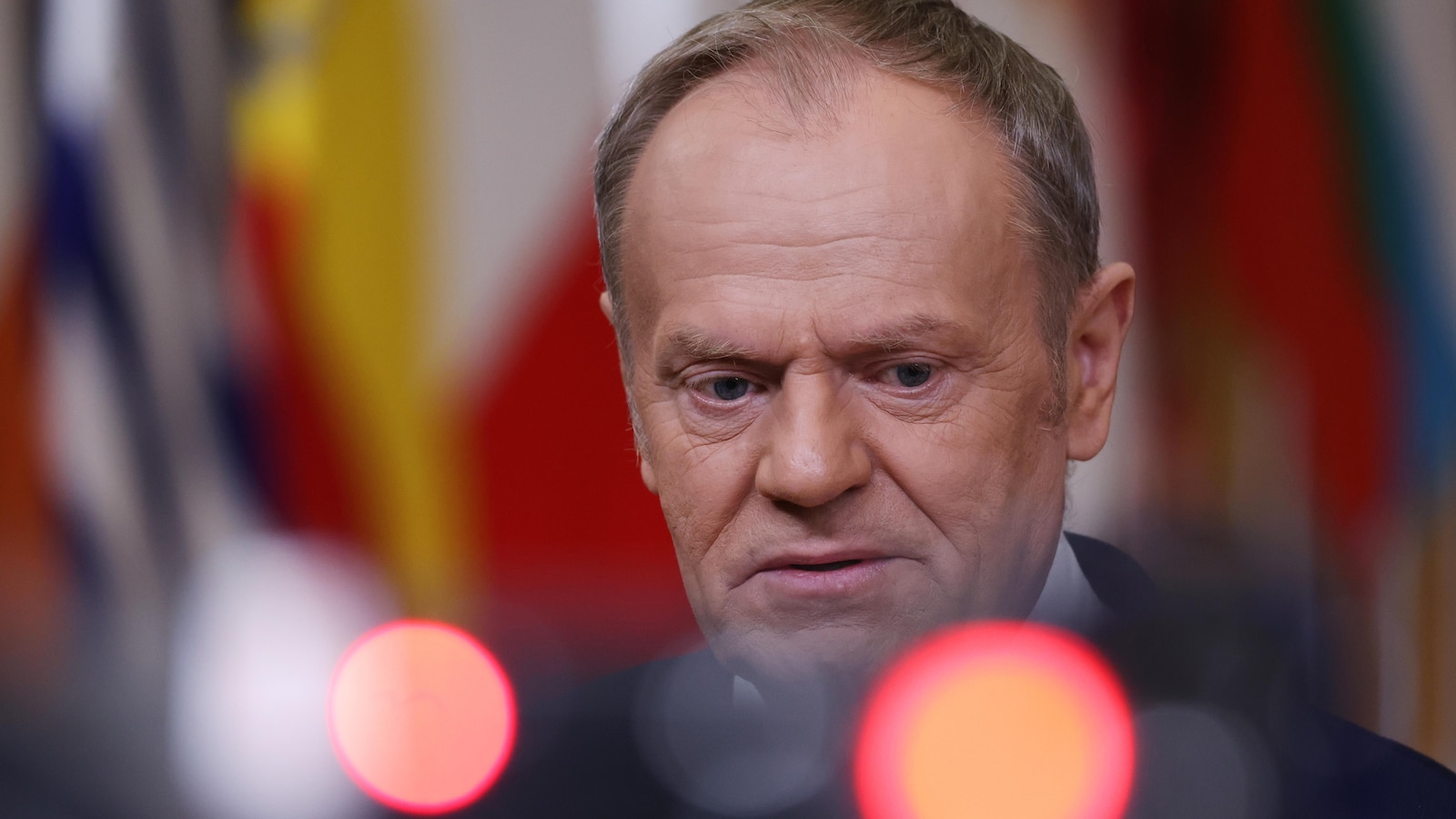
Polish Prime Minister Donald Tusk has announced that his government will conduct a thorough examination of the recently released Jeffrey Epstein documents to identify any potential Polish victims of sexual abuse. In a strong statement following a government meeting on Tuesday, Tusk emphasized the severity of the situation, declaring that authorities cannot treat lightly any cases involving the abuse of Polish children by what he called Epstein’s “network of pedophiles” and “satanic circle.” The decision comes after the U.S. Department of Justice released over 3 million pages of documents, videos, and photographs related to the late financier last week. Epstein, who died by suicide in 2019 while awaiting trial on charges of sexually abusing underage girls at his various properties in the United States, has become synonymous with one of the most disturbing sexual abuse scandals in recent history. His associate, Ghislaine Maxwell, was convicted of recruiting young girls for Epstein to abuse, though U.S. authorities have stated they were unable to find sufficient evidence to bring criminal charges against others connected to the case.
Evidence Pointing to Polish Connections
While the investigation is in its preliminary stages, Tusk indicated that there are already concerning leads within the massive document release that warrant Polish attention. References to Poland do appear in the newly released Epstein files, though no connections to prominent politicians or explicit cases of abuse involving Polish citizens have been definitively established thus far. However, Tusk specifically mentioned information about individuals in Krakow, a historic city in southern Poland, who allegedly told Epstein they had a group of “women or girls” available for him. The prime minister suggested that this is not an isolated reference, claiming “there are more such leads” scattered throughout the documents. This troubling information has prompted the government to take immediate action rather than wait for more concrete evidence to emerge. The sheer volume of material—over 3 million pages—means that it could take considerable time and resources to properly analyze all the content, which is why Tusk is establishing a dedicated team for this purpose.
Forming a Special Investigative Team
To ensure a comprehensive and professional review of the documents, Prime Minister Tusk announced that a specialized team would be assembled under the joint leadership of Poland’s minister of justice and the minister responsible for secret services. This high-level approach signals the government’s commitment to taking the matter seriously and allocating appropriate resources to the investigation. The team will be tasked with systematically reviewing the released materials to identify any references to Polish citizens, either as victims or potentially as participants in Epstein’s network. Should the investigation uncover evidence warranting further action, Tusk stated that Polish authorities would not hesitate to initiate formal criminal proceedings. Additionally, he indicated that Poland would request additional documents from the United States if necessary to build a complete picture of any Polish connections to Epstein’s activities. This collaborative approach between different branches of government and potentially with international partners demonstrates the seriousness with which Polish authorities are treating this matter, recognizing both the potential for discovering victims who deserve justice and the importance of holding accountable anyone who may have facilitated abuse.
Questions About Russian Intelligence Connections
In a surprising turn during his announcement, Tusk also expressed interest in investigating whether Epstein had any connections to Russian secret services, though he did not provide specific evidence to support this concern. The prime minister noted that “over 1,000 documents among those published directly concern Vladimir Putin,” though he did not elaborate on the content of those references. However, according to analysis of the Justice Department’s release, Putin’s name does appear approximately 1,000 times in the records, but the vast majority of these mentions are actually news articles or summaries of news stories that have been shared by others and have no direct connection to the Epstein investigation itself. Putin’s name also appears occasionally in Epstein’s personal email correspondence, most commonly in discussions about how Russian policies might impact world finance—a topic that would naturally interest a financier like Epstein. Despite the apparently mundane nature of most of these references, Tusk’s mention of potential Russian intelligence connections adds another layer of complexity to the investigation and reflects broader geopolitical tensions in the region, particularly given Poland’s position as a NATO member bordering Russian-allied Belarus and sharing historical tensions with Moscow.
Regional Response and International Cooperation
Poland is not alone in its decision to investigate the Epstein documents for connections to its citizens. On the same day as Tusk’s announcement, both Latvia and Lithuania declared they would be opening their own investigations into the files, suggesting a coordinated or at least parallel effort among Baltic and Central European nations to determine if any of their citizens were victimized by Epstein’s network. This regional response indicates the widespread concern about the international scope of Epstein’s activities and the possibility that his abuse extended far beyond American borders. The willingness of multiple countries to dedicate resources to reviewing these documents also reflects a growing international commitment to addressing child sexual abuse and holding perpetrators accountable, regardless of how much time has passed or how powerful the individuals involved may have been. The cooperation between these nations could prove valuable, as they may discover overlapping information or connections that would not be apparent when examining the documents in isolation. As these investigations proceed, they may establish new precedents for international collaboration in cases of transnational sexual exploitation.
The Path Forward and Implications
The Polish investigation into the Epstein documents represents both a practical response to specific leads and a broader statement about the government’s commitment to protecting children and seeking justice for victims of sexual abuse. As the specialized team begins its work reviewing the massive trove of materials, the coming weeks and months will reveal whether substantial evidence of Polish victims exists and, if so, what steps can be taken to provide them with support and pursue accountability for those responsible. The case also highlights the challenges of investigating international crimes, particularly when the main perpetrator is deceased and much of the activity occurred years ago across multiple jurisdictions. Nevertheless, Tusk’s determination to examine every lead and request additional information from U.S. authorities if needed demonstrates that the Polish government views this as a priority rather than a symbolic gesture. As Russia did not immediately respond to requests for comment from their embassy in Warsaw or foreign ministry regarding Tusk’s questions about potential intelligence connections, that aspect of the investigation remains speculative. Ultimately, this effort is about ensuring that no Polish victims of Epstein’s network are forgotten or overlooked, and that the full truth about his international activities comes to light, regardless of where that truth may lead.