


Ukraine Faces Massive Russian Assault as Zelenskyy Calls for International Action
Unprecedented Scale of Overnight Attack
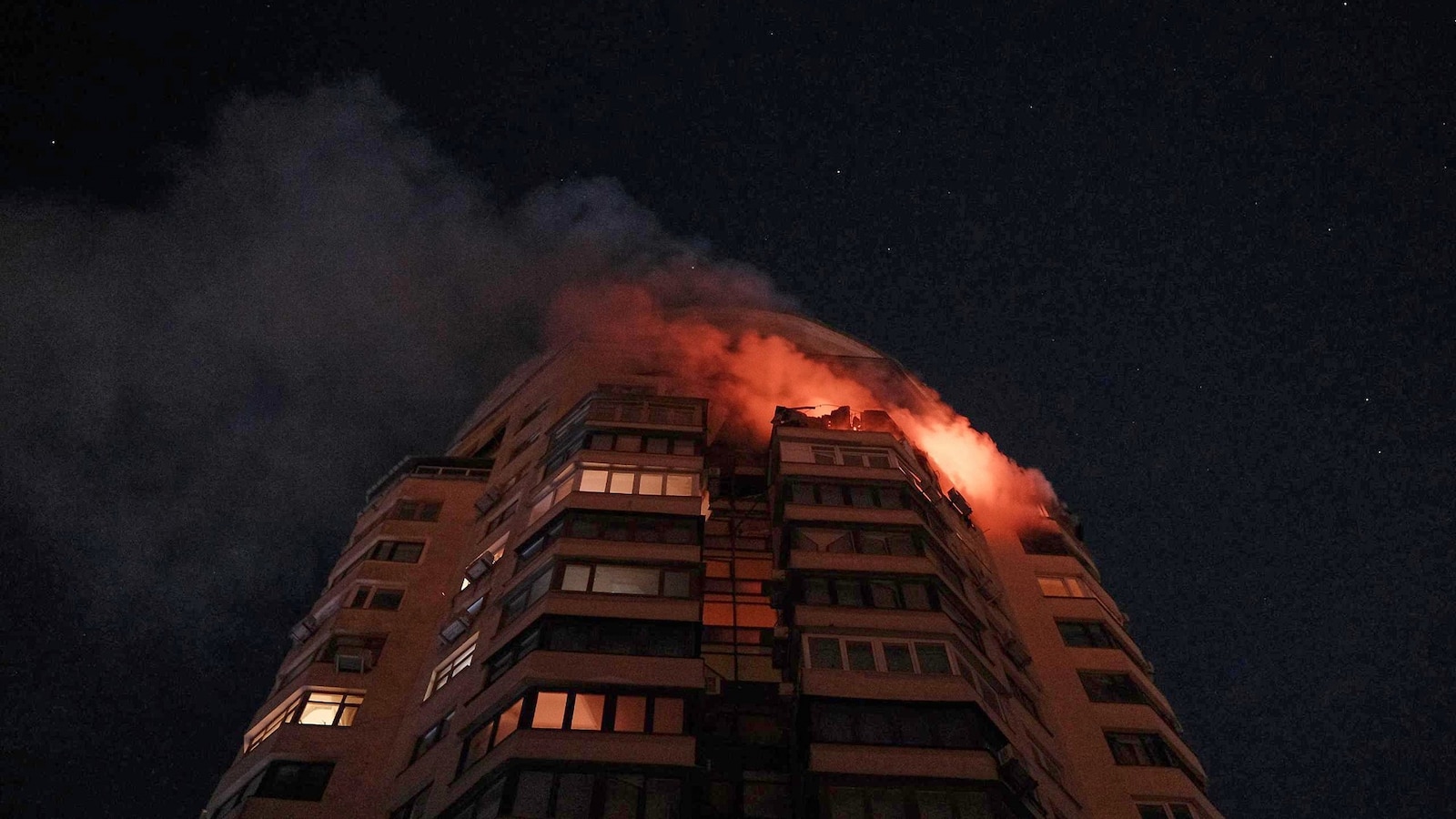
In what marks one of the most devastating attacks of 2026, Russia unleashed a massive barrage of missiles and drones on Ukraine during the coldest nights of winter, targeting critical infrastructure across multiple regions. Ukrainian President Volodymyr Zelenskyy has urgently called on the international community to apply “maximum pressure” on Russia following this calculated assault. According to Ukraine’s air force, Moscow launched an overwhelming 71 missiles and 450 drones overnight into Tuesday morning, representing the largest single attack reported this year. Ukrainian defense systems managed to intercept or suppress an impressive 38 missiles and 412 drones, but 27 missiles and 31 drones still found their targets across 27 different locations throughout the country. The scale of this assault exceeded even the massive December 27 attack and marked the highest number of missiles fired in a single night since April 24, demonstrating Russia’s willingness to escalate violence despite ongoing diplomatic efforts.
Strategic Targeting of Energy Infrastructure During Extreme Cold
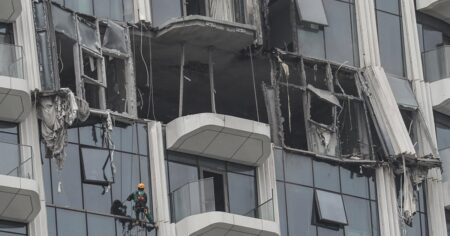
The timing and nature of Russia’s attack reveal a calculated strategy to maximize civilian suffering during Ukraine’s harshest winter conditions. With temperatures plunging as low as -14 degrees Fahrenheit in some regions, Russian forces deliberately targeted thermal power plants and energy facilities that provide essential heating and electricity to Ukrainian civilians. The strikes hit energy infrastructure in Sumy, Kharkiv, Kyiv, Dnipro, Odesa, and Vinnytsia regions, along with residential buildings, leaving at least nine people injured. Ukrainian Energy Minister Denys Shmyhal emphasized that “the targets were not military. They were exclusively civilian,” as thermal power plants serving major cities including Kyiv, Kharkiv, and Dnipro sustained significant damage. DTEK, Ukraine’s largest private energy company, reported that this represented the ninth massive attack on their thermal power stations since October 2025, inflicting “significant” damage that forced emergency power outages in Kyiv’s Dnieper and Darnytsia districts. The state energy company Ukrenergo confirmed widespread power outages across multiple regions, leaving millions of Ukrainians without electricity and heat during the coldest period of this fourth winter since Russia’s full-scale invasion began.
Breaking the Ceasefire and Stockpiling Weapons
The attack came with particularly cynical timing, occurring just after the expiration of a brief pause in strikes on energy infrastructure that both Russia and Ukraine had agreed to following a request from U.S. President Donald Trump. Russia announced that the pause expired on Sunday, and then immediately launched this massive assault, suggesting they had used the diplomatic breathing space not for genuine peace efforts but for military preparation. Both President Zelenskyy and Foreign Minister Andrii Sybiha accused Russian President Vladimir Putin of deliberately waiting for temperatures to drop while stockpiling drones and missiles during the pause. “The Russian army took advantage of the American proposal to pause the strikes for a short period, not to support diplomacy, but simply to stockpile missiles and wait for the coldest days of the year,” Zelenskyy stated in his Telegram post. This manipulation of diplomatic goodwill demonstrates Moscow’s bad faith approach to negotiations. Russian Defense Ministry claims that their forces “carried out a massive strike” on “Ukraine’s military-industrial complex and energy facilities used in their interests” ring hollow given the overwhelming evidence of civilian infrastructure targeting and the strategic timing to coincide with extreme weather conditions.
Impact on Ongoing Peace Negotiations
The massive assault casts serious doubt on Russia’s commitment to the diplomatic process, coming just one day before trilateral peace talks involving U.S., Ukrainian, and Russian representatives were scheduled to resume in the United Arab Emirates. These talks, set to continue Wednesday and Thursday, now proceed under the shadow of Russia’s latest escalation. President Zelenskyy made clear that this attack would influence Ukraine’s negotiating stance, stating, “Every such strike by Russia confirms that the attitude in Moscow has not changed: they are still counting on war and the destruction of Ukraine, and they do not take diplomacy seriously. The work of our negotiating team will be adjusted accordingly.” The attack prompted NATO Secretary-General Mark Rutte to visit Kyiv on Tuesday, where he addressed the Ukrainian parliament and met with President Zelenskyy. Rutte acknowledged that “important progress has been made” in the trilateral talks but emphasized that “Russia continues to attack, as it did last night. This demonstrates their lack of seriousness about peace.” The contradiction between sitting at the negotiating table while simultaneously launching the year’s largest attack on civilian infrastructure reveals Russia’s approach of using diplomacy as cover for military escalation rather than as a genuine path toward peace.
Ukraine’s Defense Response and International Implications
Despite the overwhelming scale of the Russian assault, Ukraine’s air defense systems demonstrated remarkable effectiveness, intercepting or suppressing approximately 87% of the incoming missiles and drones. However, the sheer volume of munitions launched ensures that some penetrate even the most robust defenses, causing devastating damage to critical infrastructure. The attack’s proximity to NATO territory prompted immediate military responses from alliance members, with Poland scrambling fighter jets after the assault began, though no violation of Polish airspace was recorded. German fighter jets and Dutch anti-air defense systems were also put on alert, highlighting how Russian aggression continues to impact European security beyond Ukraine’s borders. Meanwhile, Ukraine’s armed forces weren’t merely defensive—they conducted their own strikes on Russian-held territory overnight, targeting a drone training and production facility in occupied Zaporizhzhia, Russian force concentrations in the Belgorod border region, and an electronic warfare site in occupied Donetsk. Russia’s Defense Ministry claimed to have downed at least 10 Ukrainian drones during the night. These mutual exchanges demonstrate that despite diplomatic efforts, the military conflict continues to intensify, with both sides conducting offensive operations even as negotiations proceed.
The Urgent Need for International Support
President Zelenskyy’s call for “maximum pressure” on Russia reflects Ukraine’s growing frustration with the slow pace of Western support and Moscow’s continued willingness to target civilians during the harshest winter conditions. “Taking advantage of the coldest days of winter to terrorize people is more important to Russia than resorting to diplomacy,” Zelenskyy noted, pointing out what Ukraine’s defenders truly need from international partners. “Timely delivery of missiles for air defense systems and protection of normal life is our priority. Without pressure on Russia, there will be no end to this war,” he emphasized. The winter campaign against Ukraine’s energy infrastructure represents a deliberate strategy to break civilian morale by depriving millions of heat, light, and power during freezing temperatures—a tactic that many international observers view as potentially constituting war crimes. As talks continue in the United Arab Emirates, the international community faces a critical choice: whether to respond to Russia’s escalation with stronger sanctions, increased military support for Ukraine, and genuine diplomatic pressure on Moscow, or to allow these attacks on civilian infrastructure to continue with minimal consequences. The coming days will reveal whether the latest massive assault represents the final spasm of violence before serious negotiations or whether Russia intends to continue using winter as a weapon against Ukrainian civilians while maintaining a facade of diplomatic engagement.