

Russia Launches Devastating Wave of Attacks on Ukraine Amid Ongoing Peace Talks
Massive Overnight Assault Targets Critical Infrastructure
In one of the most intense aerial bombardments in recent months, Russia unleashed a devastating barrage of more than 440 drones and missiles across Ukraine overnight, Ukrainian officials confirmed on Saturday. According to Ukraine’s air force, the assault involved 408 drones and 39 missiles that rained down on cities and critical infrastructure throughout the country during the late hours of Friday into Saturday morning. Ukrainian defense forces managed to intercept and destroy 382 drones and 24 missiles, demonstrating the resilience of the nation’s air defense capabilities. However, despite these defensive efforts, 21 drones and 13 missiles successfully struck their targets across 19 different locations throughout the country, causing significant damage and disruption to civilian life and essential services.
The scale and intensity of this attack underscores the continuing volatility of the conflict, even as diplomatic efforts attempt to find a pathway to peace. Ukrainian President Volodymyr Zelenskyy took to social media to condemn the strikes, emphasizing that Russia’s actions once again primarily targeted Ukraine’s energy sector during what has been a brutally cold winter for the country’s citizens. “Every day, Russia could choose real diplomacy, but it chooses new strikes,” Zelenskyy wrote in his statement. He called on the international community and all parties involved in the trilateral negotiations to respond decisively to Moscow’s continued aggression. “Moscow must be deprived of the ability to use the cold as leverage against Ukraine,” he added, highlighting the humanitarian dimension of attacks on energy infrastructure during winter months when temperatures plummet and heating becomes a matter of survival for millions of Ukrainians.
Widespread Damage Across Multiple Regions
The overnight assault caused damage across numerous regions of Ukraine, painting a picture of widespread destruction that extended from the western parts of the country to areas closer to the front lines. President Zelenskyy reported that the Volyn, Ivano-Frankivsk, Lviv, and Rivne regions all suffered damage from the strikes. Among the specific incidents, an apartment building in Rivne was damaged, putting civilian lives at direct risk, while an agricultural college in Ladyzhyn was also hit, affecting educational infrastructure. Additionally, strikes were reported in the strategically important Kyiv and Kharkiv regions, demonstrating that both the capital and Ukraine’s second-largest city remained in Russia’s crosshairs. As residents took shelter in metro stations and other protected spaces throughout the night, the psychological toll of these relentless attacks continued to mount alongside the physical destruction.
Ukrenergo, Ukraine’s state-owned electricity transmission system operator, characterized the overnight attack as the second mass strike on energy infrastructure since the beginning of the year, indicating a pattern of targeted assaults on the power grid. The company reported that energy facilities across eight regions of Ukraine were damaged in the bombardment, forcing all Ukrainian-controlled nuclear power plants in the affected areas to reduce their output as a safety precaution. This reduction in nuclear power generation further strained the country’s ability to provide electricity to its citizens during the winter months. The International Atomic Energy Agency, the United Nations’ nuclear watchdog, confirmed these reports, stating that Ukraine’s nuclear power plants had indeed reduced output on Saturday morning “after renewed military activity affected electrical substations and disconnected some power lines.” This development raised concerns about nuclear safety and the potential for more serious incidents should attacks on energy infrastructure continue.
Power Outages and Regional Impact
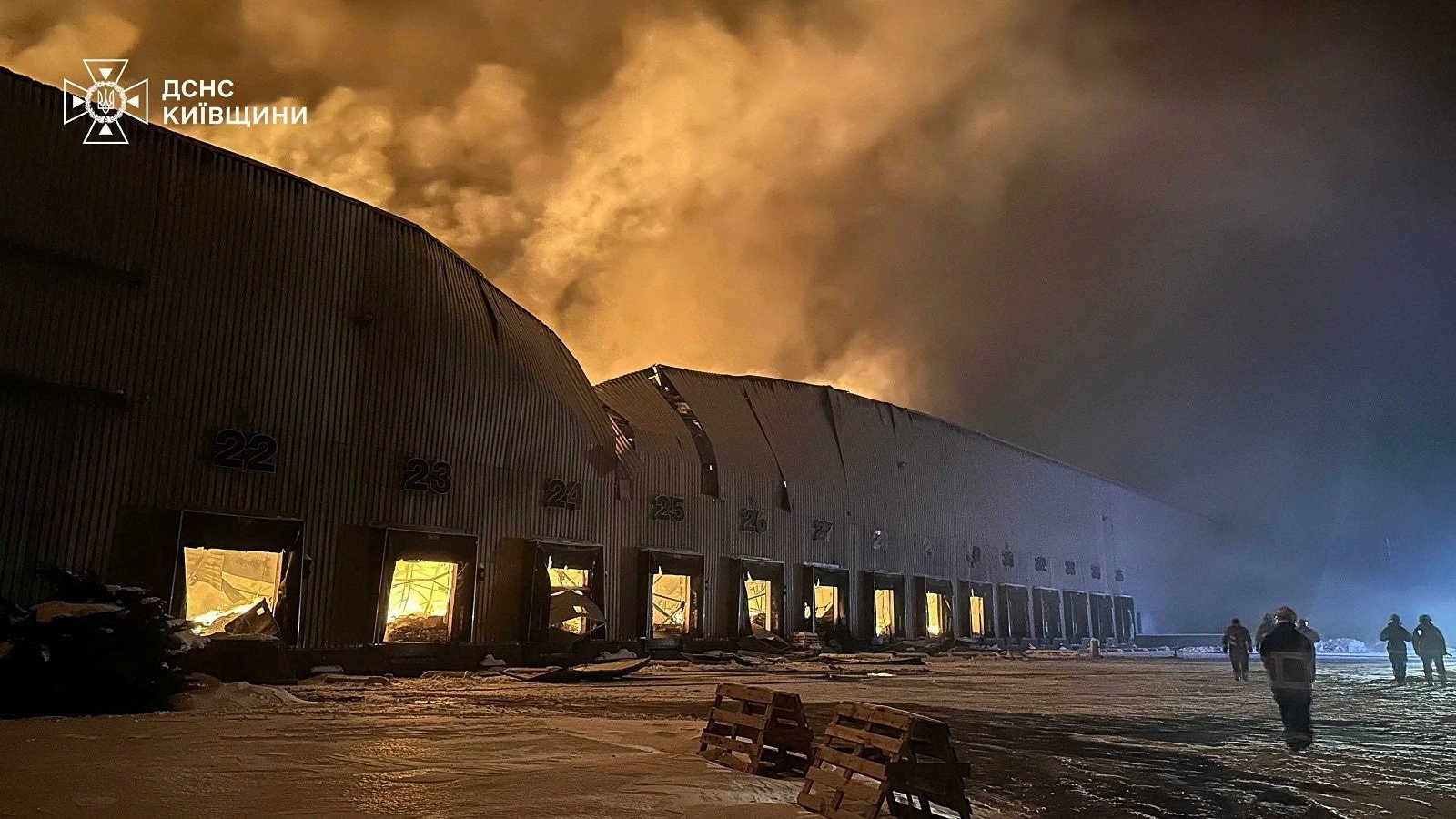
The human cost of the attacks became starkly apparent in western Ukraine’s Lviv region, where more than 600,000 subscribers found themselves without power on Saturday morning, according to Maksym Kozytskyi, head of the Lviv regional military administration. This massive power outage affected hundreds of thousands of people, leaving them without electricity for heating, lighting, cooking, and other essential daily activities during the winter season. Emergency crews and utility workers immediately began working to restore power, but the extensive damage meant that many residents would face extended periods without electricity. Firefighters were photographed working at sites throughout Kyiv and other affected cities, battling blazes sparked by missile and drone impacts while also searching for any potential casualties and working to secure damaged structures.
The severity of the attacks and their proximity to NATO member Poland prompted a significant military response from the alliance. Poland’s Armed Forces Operational Command in Warsaw announced through social media posts that NATO warplanes had been scrambled while air defense systems and radar reconnaissance units were elevated to the highest level of readiness during Russia’s Friday night strikes. This defensive posture lasted approximately three hours, with German fighter jets and Dutch air defenses participating in the alert alongside Polish forces. The command was careful to note that there were no recorded violations of Polish airspace, but the heightened alert demonstrated the spillover effects of the conflict on neighboring countries. The Polish Air Navigation Services Agency temporarily suspended flight operations at two airports in Rzeszow and Lublin in the southeast of the country to allow for “the free operation of military aviation,” showing how the conflict continues to disrupt normal civilian activities even beyond Ukraine’s borders.
Diplomatic Efforts Continue Despite Escalating Violence
The timing of these massive strikes is particularly notable given that they occurred just days after trilateral talks between the United States, Russia, and Ukraine took place in the United Arab Emirates. Russia’s Defense Ministry, for its part, claimed that its forces shot down at least 82 Ukrainian drones overnight into Saturday morning, indicating that both sides continue to exchange long-range strikes despite ongoing diplomatic efforts. The talks in Abu Dhabi, while described by all participants as constructive, did not appear to achieve any significant breakthrough on the most contentious issues dividing the warring parties. Among the most difficult points of negotiation are the future status of Ukraine’s partially-occupied eastern Donbas region, a territory that has been at the heart of the conflict since 2014; the nature and extent of post-war Western security guarantees for Ukraine, which Kyiv sees as essential for preventing future Russian aggression; and control of the Russian-occupied Zaporizhzhia nuclear power plant in the south of the country, Europe’s largest nuclear facility and a source of ongoing international concern.
President Zelenskyy revealed on Friday that the United States had proposed hosting the next round of trilateral talks, likely in Miami in about a week’s time. “We have confirmed our participation,” Zelenskyy stated, demonstrating Ukraine’s continued commitment to the diplomatic process despite Russia’s ongoing attacks. The Ukrainian president also mentioned that the U.S. side had proposed further “de-escalation in the energy sector,” a proposal that Kyiv agreed to but to which Moscow had yet to respond. This proposed de-escalation would follow a brief pause in strikes on energy targets by both sides that occurred last month at U.S. President Donald Trump’s request, though that pause appears to have ended with the latest Russian bombardment.
Timeline for Peace and International Pressure
Looking ahead, President Zelenskyy shared important information about the American perspective on the conflict’s timeline, stating that “the Americans are proposing that the war be brought to an end by the beginning of this summer, and they will probably pressure the parties according to this timeline.” This ambitious deadline suggests that the United States is seeking to accelerate the diplomatic process and bring about a resolution to the conflict within the next several months. However, the continuation of large-scale attacks like the one witnessed overnight raises serious questions about whether such a timeline is realistic, given the apparent willingness of both sides to continue military operations even while engaging in negotiations. The international community watches closely as these parallel tracks of warfare and diplomacy continue, hoping that the diplomatic track will eventually prevail and bring an end to the suffering of the Ukrainian people and the broader regional instability caused by the conflict. The coming weeks will be crucial in determining whether the Miami talks can achieve more concrete progress than the Abu Dhabi meetings, and whether the parties can move from general discussions to specific agreements that might pave the way toward a lasting peace settlement that addresses the legitimate concerns of all involved while respecting Ukraine’s sovereignty and territorial integrity.