


Storm Leonardo Devastates Iberian Peninsula: Death and Destruction Across Spain and Portugal
Tragic Losses Amid Relentless Flooding
The Iberian Peninsula has been gripped by tragedy as Storm Leonardo continues its destructive path across Spain and Portugal, leaving communities devastated and families heartbroken. The storm claimed its first victim in Portugal when a man lost his life after his vehicle became trapped in rapidly rising floodwaters on Wednesday night. Meanwhile, in southern Spain, rescue teams are desperately searching for a young girl who disappeared into the raging waters of the Turvilla river. According to reports, the child fell into the swollen river on Wednesday while attempting to rescue her beloved dog—a heartbreaking reminder of how quickly natural disasters can turn everyday situations into life-threatening emergencies. These incidents highlight the human cost of the severe weather system that has been battering the region with unrelenting force, bringing torrential rains and powerful winds that have transformed normally peaceful communities into danger zones.
Mass Evacuations and Infrastructure Chaos in Andalusia
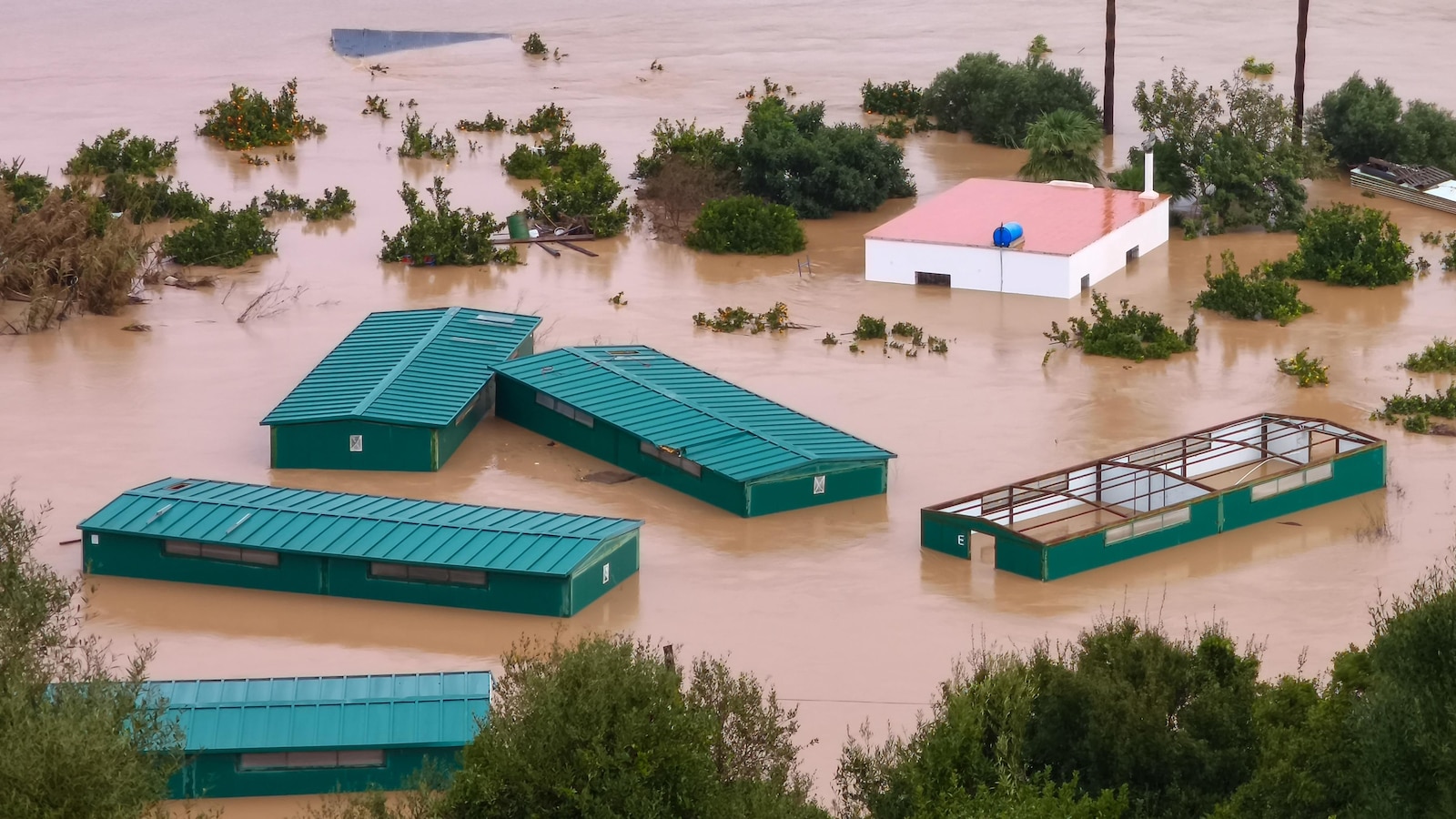
The situation in Spain’s southern Andalusia region has reached critical levels, forcing nearly 4,000 residents to flee their homes as Storm Leonardo continues to unleash its fury. Local authorities have been working around the clock to coordinate evacuation efforts and ensure the safety of vulnerable populations as floodwaters continue to rise throughout the region. The storm has wreaked havoc on the area’s infrastructure, with dozens of major roadways rendered completely impassable due to severe flooding and dangerous landslides. This has created significant challenges for emergency responders trying to reach those in need and for residents attempting to escape the worst-affected areas. The widespread road closures have essentially isolated some communities, making it difficult for supplies to reach those who have chosen to remain in their homes or shelter-in-place. The Spanish weather agency had initially issued its highest alert level for southern Spain, warning residents of the extreme danger posed by the storm. While this red alert has since been lifted, authorities are urging residents not to become complacent, as meteorologists are now tracking another potentially dangerous storm system that is expected to arrive over the weekend, giving communities little time to recover from Leonardo’s assault.
Portugal’s Battle Against Rising Waters
In Portugal, the situation remains equally dire, particularly in the southern city of Alcacer do Sal, located approximately 90 kilometers—or about 56 miles—from the capital city of Lisbon. This historic community has found itself on the front lines of the battle against nature as the Sado River has burst its banks, sending massive volumes of water flooding into residential and commercial areas throughout the downtown district. Residents and emergency personnel have watched helplessly as water levels have climbed to alarming heights, reaching approximately two meters—roughly seven feet—in certain locations. This has resulted in entire ground floors of buildings being submerged, forcing residents to higher floors and creating dangerous conditions for anyone who might be trapped. The images coming from Alcacer do Sal show streets transformed into rivers, with cars partially or completely submerged and debris floating through what were once bustling thoroughfares. Local authorities have been working tirelessly to assist residents, many of whom have lost valuable possessions and face an uncertain future as they contemplate the extensive damage to their homes and businesses. The psychological toll on these communities cannot be overstated, as residents grapple with the immediate crisis while also worrying about the long-term recovery process that lies ahead.
A Pattern of Devastating Storms
Storm Leonardo is not an isolated incident but rather the latest chapter in what has become a troubling pattern of severe weather events that have been systematically pummeling Spain and Portugal throughout recent weeks. The Iberian Peninsula has been caught in what meteorologists describe as an unusually active and intense storm season, with one weather system after another tracking across the region and bringing destructive conditions. Just weeks ago, in late January, another powerful storm system tore through Portugal, leaving behind a devastating trail of destruction that claimed several lives and caused extensive property damage across multiple regions, according to Portuguese authorities. That earlier storm had already stretched emergency response resources thin, damaged critical infrastructure, and left many communities struggling to recover. Now, before those affected areas could fully rebuild and residents could return to normal life, they find themselves facing yet another life-threatening situation with Storm Leonardo. This succession of severe weather events has raised concerns among climate scientists and government officials about whether these patterns represent a new normal for the region, potentially linked to broader climate change trends that are altering traditional weather patterns across Europe and the Mediterranean basin.
Ongoing Weather Threats and Future Concerns
As communities across the Iberian Peninsula work to respond to the immediate crisis posed by Storm Leonardo, meteorological agencies are warning that the danger is far from over. Heavy rainfall is forecast to continue battering several regions throughout Portugal in the coming days, meaning that already saturated ground will receive even more water, increasing the risk of additional flooding, landslides, and infrastructure failures. River systems that are already at or near capacity will face additional strain, potentially leading to more evacuations and property damage. In Spain, while the highest alert level has been downgraded for now, the announcement of another approaching storm system expected to arrive over the weekend has prevented any sense of relief among residents and officials. This upcoming weather event could potentially bring more heavy rain and strong winds to areas that are already waterlogged and vulnerable, compounding the damage and making recovery efforts even more challenging. Emergency management teams are now faced with the difficult task of preparing for the next storm while still responding to the ongoing crisis, stretching resources and personnel to their limits. The consecutive nature of these storms means that ground conditions are increasingly unstable, drainage systems are overwhelmed, and the risk of catastrophic failures in flood defenses and other infrastructure continues to grow with each successive weather event.
Community Resilience and the Path Forward
Despite the overwhelming challenges posed by Storm Leonardo and the series of severe weather events affecting the Iberian Peninsula, communities across Spain and Portugal have demonstrated remarkable resilience and solidarity in the face of adversity. Emergency responders, including firefighters, police, medical personnel, and civil protection teams, have been working tirelessly under extremely difficult and dangerous conditions to save lives, conduct evacuations, and provide assistance to those affected. Volunteers have mobilized to help neighbors, particularly the elderly and vulnerable populations who may struggle to evacuate on their own or need assistance protecting their property. Local governments have opened emergency shelters, coordinated relief efforts, and maintained communication with residents about evolving conditions and safety measures. However, the repeated nature of these storms is testing the limits of both infrastructure and community endurance. The psychological impact of living through multiple severe weather events in quick succession, combined with the economic burden of repeated property damage and business interruptions, is creating long-term challenges that will extend far beyond the immediate emergency response phase. As climate patterns continue to shift and extreme weather events potentially become more frequent and intense, governments at all levels will need to invest in improved infrastructure, enhanced early warning systems, more robust emergency response capabilities, and comprehensive climate adaptation strategies. For now, the focus remains on finding the missing girl in Spain, supporting the grieving families of those who have lost their lives, assisting the thousands who have been displaced from their homes, and preparing as best as possible for whatever weather challenges lie ahead in the coming days and weeks.