


Trump’s Ultimatum to Iraq: Understanding the Al-Maliki Controversy
The Warning Shot That Shook Baghdad
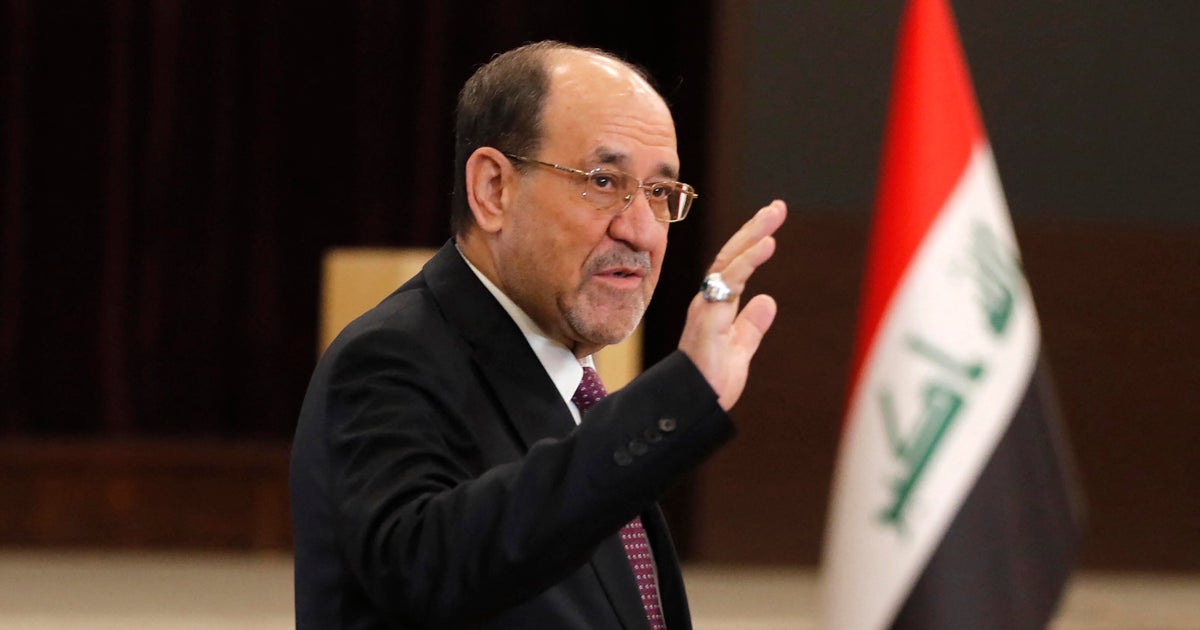
In late January, President Donald Trump sent shockwaves through Iraqi politics with an unprecedented ultimatum posted on his Truth Social platform. His message was blunt and unambiguous: if Iraq proceeds with electing Nouri al-Maliki as prime minister for a third term, the United States will completely withdraw its support from the country. This wasn’t diplomatic language wrapped in careful phrasing—it was a direct threat that put Iraq’s political establishment on notice. Trump characterized al-Maliki as a “very bad choice,” painting his previous leadership between 2006 and 2014 as an era marked by “poverty and total chaos.” The president went further, warning that without American assistance, Iraq has “ZERO chance of Success, Prosperity, or Freedom.” This extraordinary public intervention in another nation’s democratic process represents a dramatic escalation in how Washington is approaching its relationship with Baghdad, signaling that the Trump administration is willing to use America’s considerable leverage to shape Iraqi politics according to its strategic interests.
The timing of this confrontation is particularly significant. Iraq recently held parliamentary elections, and the Shiite Coordination Framework—the largest bloc in parliament—had reached a majority agreement to nominate al-Maliki for another term as prime minister. For his part, al-Maliki fired back with his own statement, categorically rejecting what he called “blatant U.S. interference in Iraq’s internal affairs.” He framed Trump’s threat as a violation of Iraqi sovereignty and a contradiction of the democratic system that was supposedly established in Iraq after the 2003 American invasion. This public clash between a former and potentially future Iraqi leader and the American president encapsulates the complex, often contradictory relationship between the two countries—a relationship built on the ruins of Saddam Hussein’s regime but plagued by fundamental disagreements about Iraq’s future direction and its place in the regional power struggle between the United States and Iran.
The Iran Factor: The Real Story Behind Trump’s Opposition
While President Trump’s social media post didn’t explicitly mention Iran, analysts and American officials have made it abundantly clear that concerns about Iranian influence are at the heart of Washington’s opposition to al-Maliki. Secretary of State Marco Rubio spelled it out plainly during a phone call with Iraq’s outgoing Prime Minister Mohammed Shia al-Sudani just days before Trump’s statement. Rubio emphasized that any Iraqi “government controlled by Iran cannot successfully put Iraq’s own interests first, keep Iraq out of regional conflicts, or advance the mutually beneficial partnership between the United States and Iraq.” This is the crux of the matter: the Trump administration views al-Maliki as being too closely aligned with Tehran and fears that his return to power would effectively hand Iraq over to Iranian control.
This concern isn’t without foundation. During his previous tenure as prime minister, al-Maliki was widely regarded as having particularly close ties to Iran, Iraq’s powerful neighbor and the region’s largest Shiite power. The relationship between Iraq and Iran is deeply complicated, rooted in both religious affinity—both countries have Shiite Muslim majorities—and geographic proximity. The 2003 U.S. invasion of Iraq, which toppled Sunni dictator Saddam Hussein, inadvertently opened the door for Iran to expand its influence across the border. Iraq’s leading Shiite political parties, including al-Maliki’s, are seen by American policymakers as being aligned with, if not outright dependent on, Iranian support. Beyond the Iran connection, al-Maliki also faced accusations during his time in office of being overly sectarian, implementing policies that targeted members of Iraq’s Sunni minority. This sectarian approach contributed to the conditions that allowed ISIS, a Sunni extremist terror group, to gain a foothold in Iraq, ultimately leading to al-Maliki’s forced resignation in 2014 under pressure from both domestic critics and international partners. For Trump, preventing al-Maliki’s return is part of a broader strategy to roll back Iranian influence throughout the Middle East.
The Political Landscape and Al-Maliki’s Chances
Despite his ignominious departure from office nearly a decade ago, Nouri al-Maliki has remained a formidable force in Iraqi politics. His survival and continued influence speak to his considerable skills as a politician and crisis manager, as well as his deep connections within Iraq’s Shiite political establishment. The fact that the Shiite Coordination Framework—the most powerful bloc in Iraq’s parliament—has agreed to nominate him for a third term demonstrates that he still commands significant support among the political elite. However, measuring his actual popularity among ordinary Iraqis is difficult, as political polling in Iraq is virtually non-existent. This creates uncertainty about whether everyday Iraqi citizens, including members of the Shiite majority he represents, actually want to see him return to the prime minister’s office.
Professor Ayad Al-Anber of Baghdad University told reporters that President Trump’s harsh rhetoric took him by surprise, even though the underlying motivation—preventing Iraq from falling under Iranian control—was predictable. What remains unclear, according to Al-Anber, is exactly how far the Trump administration is prepared to go in pressuring Iraq to reject al-Maliki. Will Washington rely solely on diplomatic pressure and public statements, or is it prepared to employ economic sanctions or even military measures to achieve its objective? This uncertainty adds another layer of complexity to an already fraught political situation. Iraqi politicians must now calculate not only the domestic political considerations of who should lead their government but also the potential international consequences of their choice. For a country still recovering from decades of war, sanctions, and instability, the prospect of losing American support—or worse, facing active American opposition—represents a serious threat that cannot be ignored.
What Iraq Stands to Lose
The stakes in this confrontation are extraordinarily high for Iraq. The country finds itself caught between competing powers and interests, trying to maintain a delicate balance that keeps its diverse population—Shiite majority, Sunni minority, and Kurdish minority—all reasonably satisfied while also managing relationships with both the United States and Iran. According to U.S. government figures, Iraq received approximately $31 million in direct foreign assistance from Washington in 2025 alone. While this number might seem modest in the grand scheme of international aid, it doesn’t include the substantial costs associated with the significant American military presence in Iraq, which remains focused on preventing the resurgence of ISIS, the extremist group that once controlled large swaths of Iraqi territory.
Breaking down that foreign assistance reveals its importance: about $20 million was devoted to security-related costs, helping Iraq maintain stability and combat ongoing threats, while nearly $9 million went toward supporting government operations and civil society organizations. These funds help oil the wheels of Iraqi governance and support the development of democratic institutions. But beyond this direct assistance, the United States wields another, perhaps more powerful form of leverage over Iraq: control of its oil revenues. All of the Iraqi government’s oil revenue—the lifeblood of the nation’s economy—is processed through the Federal Reserve Bank of New York. This arrangement gives Washington tremendous power over Baghdad’s finances. If the Trump administration decides that Iraq’s government is doing Iran’s bidding, there are real fears in Iraq that these funds could be frozen or restricted, potentially crippling the government’s ability to function, pay salaries, and provide basic services to its citizens. This financial pressure point represents a sword hanging over any Iraqi government that might consider defying American wishes.
The Sovereignty Dilemma
Al-Maliki’s defiant response to President Trump’s ultimatum highlights one of the fundamental tensions in the U.S.-Iraq relationship: the question of Iraqi sovereignty. When al-Maliki declared that Iraq “categorically rejects blatant U.S. interference in Iraq’s internal affairs,” he was tapping into a deep well of resentment about foreign intervention in Iraqi politics. After all, the current Iraqi political system was established following the 2003 American invasion—an invasion that was supposed to bring democracy and freedom to Iraq. The irony is not lost on Iraqis that the United States, which ostensibly invaded to establish Iraqi self-determination, is now threatening the country for exercising that very self-determination by choosing its own leaders through democratic processes.
This tension reflects a broader challenge in U.S. foreign policy: how to promote both democracy and American strategic interests when the two come into conflict. Iraqi politicians, particularly those in the Shiite majority, reasonably ask why they should be prevented from choosing their preferred candidate simply because that choice doesn’t align with Washington’s preferences. From their perspective, Iraq has the right to maintain good relations with Iran, its neighbor and fellow Shiite-majority nation, without being punished by the United States. Yet from the American perspective, the situation looks very different. U.S. policymakers argue that they have invested blood and treasure in Iraq—thousands of American soldiers died during the invasion and occupation—and continue to provide essential support. They believe this gives them a legitimate stake in preventing Iraq from becoming an Iranian client state that could threaten regional stability and American interests. Finding a balance between these competing principles—Iraqi sovereignty and American strategic interests—represents one of the most difficult challenges facing both Baghdad and Washington in the months ahead.
Looking Ahead: Iraq’s Impossible Choice
As Iraq’s political leaders navigate this crisis, they face an almost impossible choice. Proceeding with al-Maliki’s nomination would honor the will of the Shiite Coordination Framework and assert Iraqi independence from American dictation, but it would risk losing vital American support and potentially facing economic consequences that could devastate the country. Conversely, bowing to American pressure and rejecting al-Maliki would preserve the U.S. relationship but would represent a humiliating capitulation that could undermine the legitimacy of Iraq’s political system and anger both Iran and domestic constituencies who support al-Maliki. There’s also the question of precedent: if Iraq gives in to this American ultimatum, what’s to stop future U.S. administrations from making similar demands whenever Iraqi political choices don’t align with Washington’s preferences?
The coming weeks and months will reveal whether President Trump’s hardball approach succeeds in shaping Iraqi politics or whether it backfires by pushing Iraq closer to Iran and undermining what remains of American influence in the country. Much depends on factors beyond either Washington’s or Baghdad’s control, including how Iran responds, whether Iraq’s Sunni and Kurdish minorities use this crisis to extract concessions from the Shiite majority, and whether alternative Shiite candidates who are acceptable to both domestic constituencies and the United States can emerge. What’s certain is that this confrontation represents a critical juncture not just for Iraq, but for the broader question of American influence in the Middle East in the post-invasion era. The outcome will send signals far beyond Iraq’s borders about whether the United States can still effectively shape political outcomes in the region and whether countries caught between American and Iranian influence can carve out genuine independence or must ultimately choose a side in this ongoing power struggle.