


Energy Infrastructure Under Siege: How Middle East Conflict Threatens Global Oil and Gas Markets
A Region’s Vital Energy Network Under Attack
The Middle East conflict has taken a devastating turn, with energy infrastructure becoming a primary target in an escalating campaign of strikes and counterstrikes. Over the past three weeks since the United States and Israel launched attacks on Iran, at least 23 oil and natural gas facilities spanning nine countries have been hit by military forces from Iran, Israel, and the United States. This systematic targeting of energy sites represents a dangerous expansion of the conflict, one that threatens to plunge global energy markets into prolonged turmoil. Energy experts are sounding alarm bells, warning that the damage already inflicted—combined with the effective shutdown of the Strait of Hormuz—could strain the world’s oil and natural gas supplies for months, if not years. Philip Jones-Lux, a senior analyst at Swiss market intelligence firm Sparta Commodities, painted a stark picture: “Every day that this continues, we need at least a week, probably two weeks on the other side to make it up.” More concerning still, he predicts that oil prices won’t return to pre-conflict levels anytime this year, and possibly not until mid-2027 or beyond. Through meticulous analysis of satellite imagery, social media videos, official statements, and maritime data, ABC News has documented and geolocated these attacks, revealing the true scope of the assault on the region’s energy infrastructure.
The Strategic Chokepoint: Strait of Hormuz
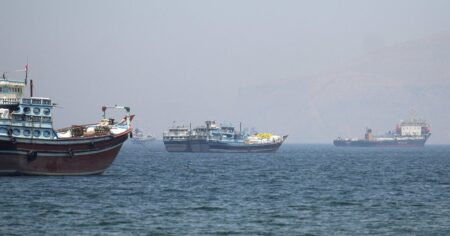
At the heart of this energy crisis lies the Strait of Hormuz, a narrow waterway that has become a virtual no-go zone for commercial shipping. This critical maritime chokepoint normally handles more than 20% of the world’s oil and liquefied natural gas traffic, making it one of the most strategically important passages on Earth. Iran’s threats to strike vessels attempting to navigate the strait have effectively shut down this vital artery of global commerce. According to ABC News analysis, at least five oil and gas tankers have already been targeted by Iranian strikes in the Persian Gulf. The implications of this blockade extend far beyond the immediate region. Even if hostilities were to cease today, the disruption to supply chains would continue to impact energy prices well into next year, according to energy analysts. The longer the conflict persists and the strait remains closed, the more severe and long-lasting the consequences will be. Kristy Kramer, who leads LNG Strategy and Market Development at research firm Wood Mackenzie, emphasized the escalating nature of the crisis: “This is one of those things that the longer the conflict goes on, the longer the strait is closed, the more damage there is to the facilities in the Gulf, the more extreme this gets, and the market will respond.” The combination of damaged facilities and blocked shipping lanes creates a perfect storm for energy market chaos.
Catastrophic Strikes on Natural Gas Infrastructure
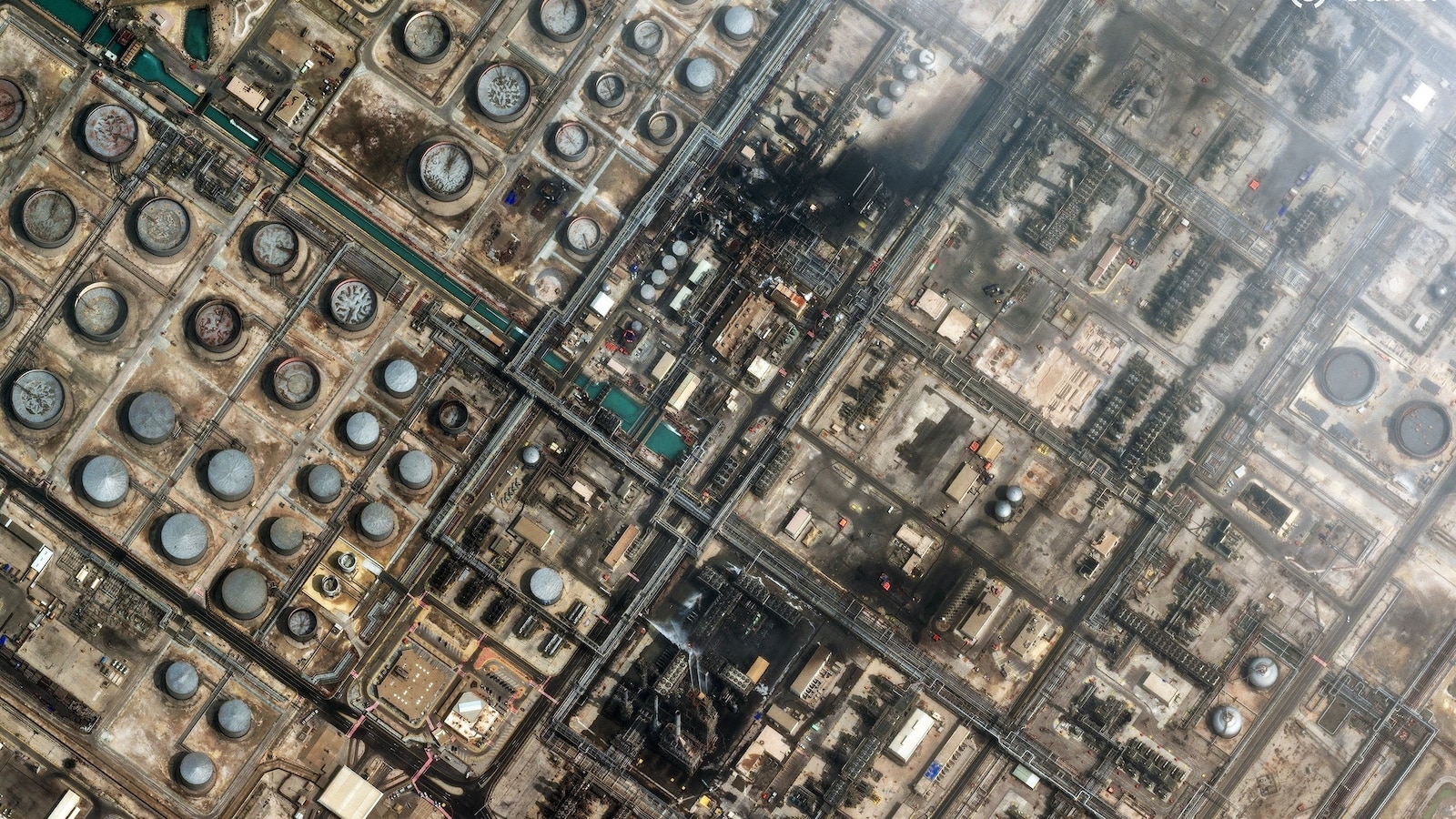
Two attacks last week stand out as particularly consequential for the global energy landscape. Israel’s strike on Iran’s South Pars Gas Field and Iran’s retaliation against Qatar’s Ras Laffan Industrial City—the world’s largest liquefied natural gas processing facility—have sent shockwaves through international energy markets. The South Pars field is nothing less than the backbone of Iran’s energy economy, supplying an astounding 70% of the country’s gas consumption. Verified video footage showed flames engulfing the refinery following the Israeli strike on March 18. Dr. Nima Shokri, an environmental expert at Hamburg University of Technology, explained the broader significance: “The significance of striking the South Pars Gas Field lies not in the immediate loss of output, but in the systemic role it plays. South Pars is the backbone of Iran’s power generation. When that flow is disrupted, the effect propagates through the systems that sustain daily life.” The damage to Qatar’s Ras Laffan facility may prove even more devastating for global markets. While satellite images don’t clearly show the physical damage, NASA heat signature data confirmed the strike’s impact. State-owned QatarEnergy reported that Iranian missiles damaged two LNG trains, decreasing export capacity by 17% and resulting in an anticipated annual revenue loss of $20 billion. More alarmingly, repairs could take up to five years to complete. Alex Munton of Rapidan Energy Group described the attack as a “worst-case scenario,” noting that the facility’s vulnerability has been fully exposed. The multibillion-dollar complex processes natural gas not just for Qatar but for neighboring countries throughout the region, making it irreplaceable in the global LNG supply chain.
Oil Refineries and Storage Facilities in the Crosshairs
Beyond natural gas, oil infrastructure across the region has suffered extensive damage. Satellite imagery reviewed by ABC News documented strikes on 19 oil refineries and depots across nine countries. In Kuwait, Iranian drones struck two of the country’s three major refineries—Mina Abdullah and Mina Al-Ahmadi—which together handle more than half the nation’s refining capacity. Verified video showed flames and thick black smoke rising from Mina Al-Ahmadi, which can produce 346,000 barrels per day. The facility was hit twice in consecutive days, though Kuwait Petroleum Corporation maintains they’ve taken measures to ensure continued operations. The United Arab Emirates has experienced repeated attacks on the Fujairah Oil Industry Zone, the Middle East’s largest storage facility for refined oil products. Falling debris from intercepted drone strikes has sparked fires at least four times at this critical hub. Saudi Arabia, the world’s largest oil exporter, has seen its infrastructure targeted as well. Satellite images revealed extensive damage to the Aramco Ras Tanura refinery—the country’s largest, with capacity to refine 550 million barrels per day—after defensive systems intercepted two drones. Smoke was also seen rising from the Saudi Aramco-Exxon refinery in Yanbu, briefly halting crude loadings at this crucial Red Sea port. Additional verified strikes occurred in Bahrain, Oman, Iraq, and Israel itself, with the Haifa refinery suffering damage on March 19. Within Iran, satellite imagery showed destruction at the Aqdasieh fuel depot in Tehran and at least three other major storage facilities across the country.
Environmental and Humanitarian Consequences
The assault on energy infrastructure has created environmental and public health crises alongside economic disruption. Following U.S.-Israeli airstrikes on oil storage facilities in Tehran, the Iranian capital has experienced dangerous levels of air pollution. Local authorities reported acid rain and toxic precipitation, while verified videos showed smoke plumes so dense they blocked out sunlight over the city. The environmental impact extends beyond immediate pollution. When oil and gas facilities burn, they release massive quantities of toxic compounds into the atmosphere, including sulfur dioxide, nitrogen oxides, and particulate matter. These pollutants can cause respiratory problems, cardiovascular issues, and long-term health complications for populations living downwind of the strikes. The fires also contribute significantly to greenhouse gas emissions, with potential global climate implications. For ordinary people living in affected areas, the strikes have disrupted not just their air quality but their daily lives. Power generation depends on steady fuel supplies, and when refineries and gas fields are damaged, electricity becomes unreliable. This affects everything from hospitals and schools to businesses and homes. The humanitarian toll, while less visible than burning refineries, may ultimately prove as significant as the economic impact on global energy markets.
Long-Term Economic Implications and Recovery Challenges
The path to recovery from this infrastructure assault will be long and costly. Energy analysts agree that even an immediate ceasefire wouldn’t quickly restore pre-conflict market conditions. Jones-Lux emphasized this point: “You’ve got damage to facilities, which means supply is permanently lower or will be lower for a while, even if the Strait of Hormuz opens. You’ve then got this backlog that you have to get through.” The specialized nature of energy infrastructure makes rapid repairs impossible. Many damaged components are custom-engineered for specific facilities, requiring months or years to manufacture and install. The attack on Qatar’s Ras Laffan perfectly illustrates this challenge—critical engineering components have no ready-made replacements, and the facility’s operator projects a five-year repair timeline. This reality has shattered initial market assumptions that disruptions would be measured in weeks or months rather than years. For global consumers, the implications are clear: higher energy prices are here to stay for the foreseeable future. Transportation costs will rise as fuel becomes more expensive. Heating and electricity bills will increase. Manufacturing costs will climb, potentially triggering inflation across multiple economic sectors. Developing nations, which spend a larger proportion of their GDP on energy imports, will feel the pain most acutely. The conflict has also revealed the vulnerability of concentrated energy infrastructure in an age of precision strikes and drone warfare. Qatar’s strategy of using diplomacy and economic partnerships as “insurance” against attacks proved inadequate when missiles struck Ras Laffan. This failure may prompt energy-producing nations to rethink how they protect critical infrastructure, potentially leading to decentralization of facilities—a costly and time-consuming process that could itself impact global supplies and prices for years to come. As the conflict continues with no resolution in sight, each passing day adds to the backlog of lost production and delayed shipments that will need to be made up once peace returns, extending the recovery period further into an increasingly uncertain future.