


Ukraine’s Diplomatic Push: Zelenskyy Courts Gulf States with Drone Defense Expertise
A Strategic Mission to the Middle East
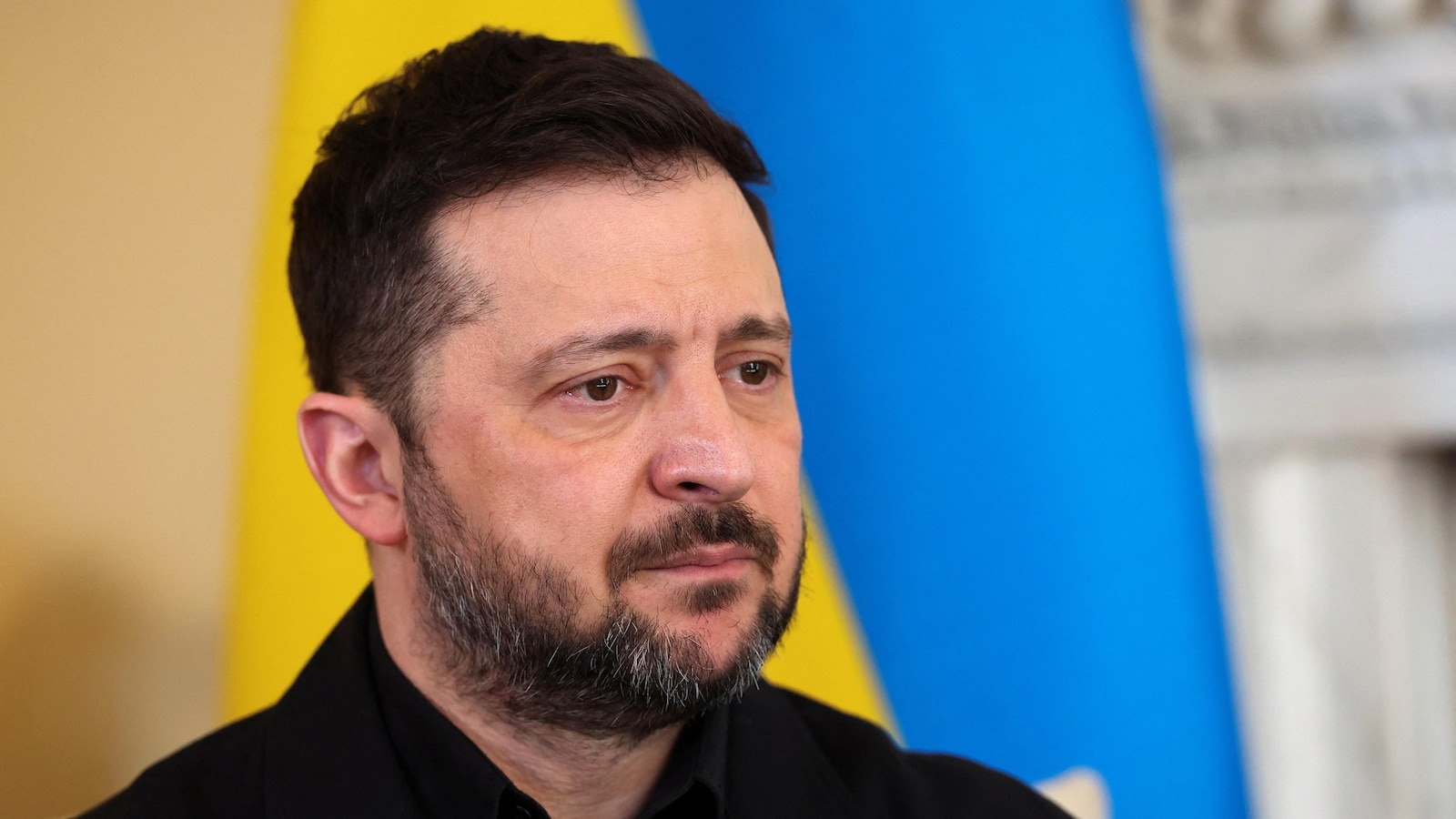
Ukrainian President Volodymyr Zelenskyy embarked on a crucial diplomatic tour this weekend, making surprise visits to the United Arab Emirates and Qatar as part of Ukraine’s expanding international outreach. These unannounced trips represent a significant strategic pivot for Ukraine, as the war-torn nation seeks to leverage its hard-won military expertise to forge new alliances in the Middle East. The timing of these visits is particularly noteworthy, coming at a moment when Gulf Arab states are grappling with security threats from Iran amid the ongoing regional conflict. Zelenskyy’s mission goes beyond simple diplomacy—it’s about creating a mutually beneficial partnership where Ukraine’s battle-tested drone defense technology meets the Gulf states’ pressing security needs and their access to advanced military systems that Ukraine desperately requires for its own defense against Russia.
During his visits, Zelenskyy met with key regional leaders, including UAE President Mohamed bin Zayed Al Nahyan in Abu Dhabi, before traveling to Doha where he held discussions with Qatar’s ruling emir, Sheikh Tamim bin Hamad Al Thani, and Prime Minister Sheikh Mohammed bin Abdulrahman Al Thani. These high-level meetings underscore the seriousness with which both sides are approaching this potential partnership. The Ukrainian president emphasized that “real security is built on partnership,” highlighting his country’s openness to supporting nations willing to work collaboratively toward shared security goals. This represents a significant evolution in Ukraine’s international position—from a country solely focused on its own survival to one offering valuable security expertise to other nations facing similar threats.
The Drone Defense Exchange: Ukraine’s New Currency
Ukraine has emerged from the crucible of war as one of the world’s leading producers of advanced, combat-proven drone interceptor systems. These weapons are not merely theoretical prototypes but have been rigorously tested in the most demanding environment imaginable—the battlefields of Ukraine’s fight against Russia’s full-scale invasion, which began on February 24, 2022. The country’s drone defense systems have proven themselves remarkably effective and cost-efficient, making them highly attractive to Gulf nations now facing their own drone threats from Iran. Zelenskyy revealed that Ukraine is already providing assistance to five countries—the UAE, Saudi Arabia, Qatar, Kuwait, and Jordan—helping them counter Tehran’s drone strikes on their territories. This assistance represents Ukraine’s transformation from aid recipient to security provider, a remarkable achievement for a nation still fighting for its survival.
The exchange Ukraine is proposing isn’t just about selling weapons—it’s about building long-term strategic relationships. As Zelenskyy explained to reporters during a live Zoom briefing, “Simple sales do not interest us.” Instead, Ukraine is seeking comprehensive partnerships that include joint production facilities, investment opportunities, energy cooperation, and the sharing of battlefield experience. In return for its drone defense expertise, Ukraine is looking to acquire high-end air defense missiles that the Gulf states possess and that Kyiv urgently needs to counter Russia’s relentless attacks. Zelenskyy has already announced the signing of 10-year security agreements with both Saudi Arabia and Qatar, with a similar deal with the UAE expected to follow shortly. The agreement with Qatar specifically involves joint defense industry projects, the establishment of co-production facilities, and technological partnerships between companies—a model that could revolutionize how nations cooperate on defense matters.
The Middle East Conflict and Ukraine’s Strategic Opportunity
The war in the Middle East, which erupted on February 28 when the United States and Israel launched joint attacks on Iran, has created both challenges and opportunities for Ukraine. Iran’s retaliatory strikes against Israel and Gulf Arab states, combined with its blockade of the Strait of Hormuz—a crucial waterway for global oil shipments—has sent shockwaves through the international community. The conflict has disrupted global travel patterns and caused oil prices to soar, with economic fallout extending far beyond the region. For Ukraine, however, this crisis has opened a window of opportunity to demonstrate the value of its defensive capabilities and establish itself as a reliable security partner for nations facing similar threats from Iranian-made drones.
Zelenskyy framed Ukraine’s assistance in principled terms, stating, “For Ukraine, this is also a matter of principle: terror must not prevail anywhere in the world. Protection must be sufficient everywhere.” This messaging positions Ukraine not just as a weapons supplier but as a champion of international security norms. The Ukrainian president discussed with Emirati leaders “the security situation in the Emirates, Iranian strikes, and the blockade of the Strait of Hormuz, which directly affects the global oil market.” Last week, Zelenskyy even mentioned that Ukraine is exploring whether it can play a role in restoring security in the Strait of Hormuz, suggesting an ambitious vision for Ukraine’s potential contribution to regional stability. This represents a remarkable expansion of Ukraine’s international role, from a country primarily concerned with its own territorial integrity to one offering solutions to global security challenges.
Navigating Complex Relationships with Western Allies
Despite the promising developments in the Middle East, Zelenskyy’s tour took place against a backdrop of tension and uncertainty regarding Ukraine’s relationship with its Western backers, particularly the United States. The Ukrainian president felt compelled to address recent comments by U.S. Secretary of State Marco Rubio, who dismissed as “a lie” Zelenskyy’s claim that Washington wants Kyiv to hand over territory to Russia before providing security guarantees. Zelenskyy firmly defended his earlier statements, made in a Reuters interview, insisting he had “not lied to anyone” and suggesting that Rubio may have misconstrued his comments. He explained that his statements reflected the “general direction” of talks rather than specific ultimatums.
Zelenskyy emphasized that the United States has not directly pressured Ukraine to withdraw troops from the Donbas, Ukraine’s industrial heartland that Moscow has long coveted. However, he expressed concern about Washington’s insistence that Ukraine would only receive security guarantees following a comprehensive peace agreement rather than a ceasefire deal. This distinction is crucial for Ukraine’s security, as Kyiv claims that Russia refuses to end the war unless it can take control of all of the Donbas region. Russian forces currently occupy most of this area, though they haven’t captured a heavily fortified strip of land that Ukraine fears Moscow could use as a launching point for future aggression. Additionally, Zelenskyy sought to quell speculation that the Iran war might lead to weapons diversions from Ukraine to the Middle East, telling reporters that Ukraine had received “no signals” from the U.S. about potential redirections of weapons, including those funded by Kyiv’s European partners.
The Ongoing War: Reality on the Ground
Even as Zelenskyy conducted his diplomatic mission abroad, the brutal reality of the war at home continued unabated. Ukrainian authorities reported that Russia launched more than 270 drones at Ukraine overnight on Saturday, killing at least five people across multiple regions. In Odesa, a major port city on the Black Sea, two people were killed and at least eleven more were wounded in a nighttime Russian drone strike that Zelenskyy described as “massive,” involving more than 60 drones. The attacks also struck Kryvyi Rih, Zelenskyy’s hometown in central Ukraine, where two men were killed and two others wounded after a drone hit an industrial facility. In the Poltava region, also in central Ukraine, one person was killed as Russia struck industrial sites, including a production facility operated by Ukrainian state gas company Naftogaz.
These attacks highlight the relentless nature of Russia’s assault on Ukraine and underscore why securing additional air defense systems from Gulf partners is so critical for Ukraine’s survival. The scale of the drone attacks—270 drones in a single night—demonstrates the enormous challenge Ukraine faces in defending its cities and infrastructure. Russia’s ability to sustain such intensive drone campaigns stems partly from its domestic production of Iranian-designed Shahed drones, which Moscow has modified to improve their effectiveness since Tehran first sent large numbers to Russia early in the war. The conflict also continues to affect Russia itself, with Russian authorities reporting that a Ukrainian drone struck a private house in Russia’s western Yaroslavl region, killing a child and seriously injuring the child’s parents. Russia’s Defense Ministry claimed that 155 Ukrainian drones were shot down during the night over Russia and the annexed Crimean Peninsula, though such figures are difficult to verify independently.
The human cost of the conflict remains devastating, with civilians continuing to bear the brunt of attacks on both sides. As Ukraine develops its partnerships with Gulf states and works to secure its long-term security through diplomatic means, its people continue to endure nightly attacks that target not just military installations but residential areas and civilian infrastructure. This dual reality—of diplomatic progress alongside ongoing suffering—captures the complex challenge facing Ukraine’s leadership as they work simultaneously to defend their nation today while building the partnerships that might secure peace tomorrow. The coming weeks will reveal whether Zelenskyy’s bold diplomatic strategy can translate into tangible security benefits for Ukraine while also helping Gulf partners protect themselves from drone threats, creating a model for international cooperation in an increasingly dangerous world.