
Tragedy Strikes Before Easter Ceasefire: Russian Drone Attack on Odesa Claims Lives
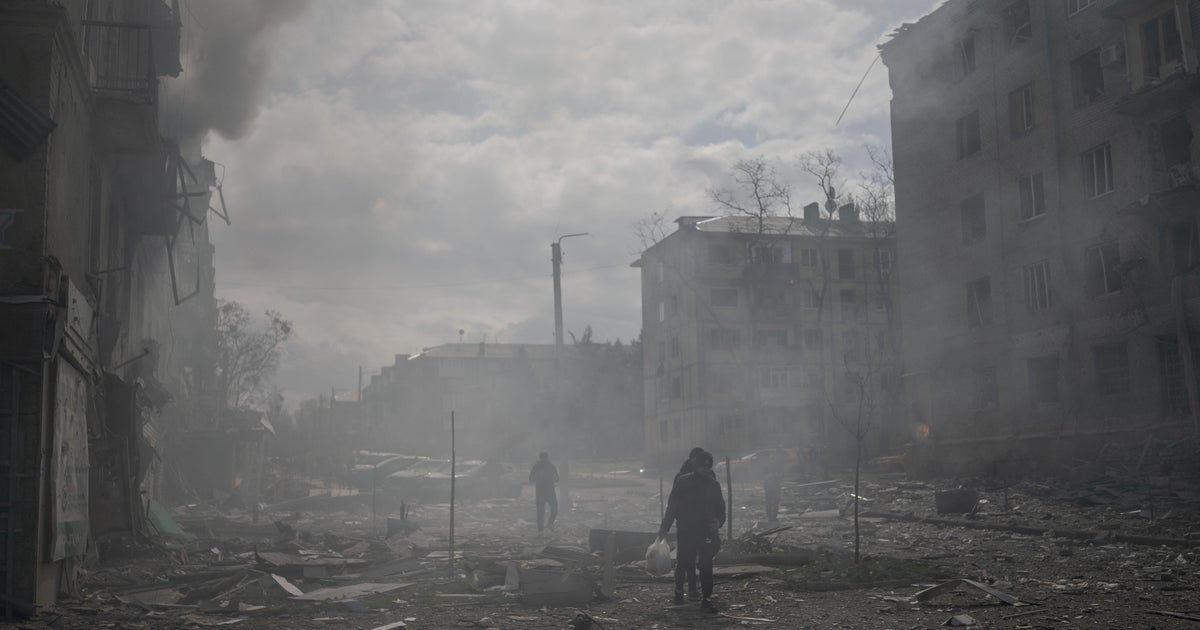
The fragile hope for peace over the Orthodox Easter weekend was shattered in the early hours of Saturday morning when Russian drone strikes devastated parts of Odesa, killing at least two people and wounding two others. The attack on this historic Black Sea port city hit a residential neighborhood with brutal precision, damaging apartment buildings, private homes, and even a kindergarten where children would have been playing just days before. According to Ukrainian Air Force reports, Russia launched an overwhelming assault involving 160 drones overnight, though Ukrainian defenses managed to shoot down or intercept 133 of them. This massive attack came just hours before a proposed Easter ceasefire was scheduled to begin, casting serious doubt on Russia’s commitment to any peaceful pause. Meanwhile, Russia’s Defense Ministry reported that 99 Ukrainian drones were intercepted across Russian territory and occupied Crimea during the same period, illustrating the continued intensity of this conflict that has now dragged into its fifth devastating year.
Putin’s Easter Ceasefire Proposal and Ukraine’s Cautious Response
Russian President Vladimir Putin announced on Thursday a 32-hour ceasefire covering the Orthodox Easter weekend, ordering Russian forces to halt all military operations from 4 p.m. on Saturday through the end of Sunday. Ukrainian President Volodymyr Zelenskyy responded on Saturday with a promise to honor the ceasefire, describing it as a potential opportunity to advance peace initiatives. However, his acceptance came with a clear and stern warning about swift military retaliation for any violations. In a carefully worded online post, Zelenskyy emphasized that “Easter should be a time of silence and safety,” suggesting that this ceasefire could mark “the beginning of real movement toward peace.” Yet his words also reflected the deep mistrust that has characterized this conflict, as he added, “We all understand who we are dealing with. Ukraine will adhere to the ceasefire and respond strictly in kind.” This cautious approach reflects the bitter experience of previous ceasefire attempts that collapsed amid mutual accusations of violations from both sides.
The Difficult Path to Peace and Lingering Obstacles
Ukraine had earlier proposed a mutual pause in attacks on energy infrastructure over the Orthodox Easter holiday, recognizing how both nations’ civilian populations have suffered from strikes on power facilities during the harsh winter months. However, past ceasefire agreements have proven largely ineffective, with both Moscow and Kyiv consistently accusing each other of breaking the terms. Kremlin spokesman Dmitry Peskov characterized Putin’s ceasefire announcement as a “humanitarian” gesture on Friday, but he made clear that Russia’s ultimate focus remains on achieving a comprehensive settlement based on Moscow’s longstanding demands. These demands have been a fundamental sticking point preventing any meaningful progress toward ending the war. The monthslong U.S.-brokered negotiations between the two countries have so far failed to bridge the gap on key issues, leaving little room for optimism despite occasional positive developments. The atmosphere remains one of deep suspicion and competing narratives about who bears responsibility for the war’s continuation and the suffering it has caused to millions of ordinary people on both sides.
A Moment of Hope: Prisoner Exchange Brings Families Together
Amid the destruction and distrust, Saturday brought at least one glimmer of hope as Russia and Ukraine conducted a significant prisoner exchange. Russia’s Defense Ministry announced that 175 Russian soldiers were returned home, while President Zelenskyy confirmed that Ukraine received 175 service members and seven civilians in the swap. Many of these individuals had been held in captivity since 2022, enduring nearly three years of separation from their loved ones. At the exchange site in northern Ukraine, the raw emotions of families were on full display. Svitlana Pohosyan waited anxiously for her son’s return, her hopes for the ceasefire mixed with the immediate joy of reunion. When asked about the proposed Easter ceasefire, she expressed cautious optimism: “I want to believe it. God willing, may it be so. We will believe and hope that everything will be fine, that a ceasefire will come on such a holy day, and that there will be peace — peace in Ukraine and peace in the whole world.” Her words captured the desperate longing for normalcy that countless families feel. “My celebration will come when my son returns,” she said with touching simplicity. “I will hold him in my arms — and that will be the greatest celebration for me. And for every mother, every family.”
Additional Returns from the Kursk Region
Beyond the main prisoner exchange, seven residents of Russia’s Kursk region also returned home on Saturday after being captured by Ukrainian forces. These individuals were greeted at the Belarusian-Ukrainian border by Tatyana Moskalkova, Russia’s human rights ombudswoman, in what Russian state media portrayed as a humanitarian victory. According to Moskalkova, these returnees were the last of the Russian civilians who had been taken to Ukraine from the Kursk region after Ukrainian forces took control of parts of that territory. The situation in Kursk represents one of the most dramatic developments of the entire war. In August 2024, Ukrainian forces launched a surprise incursion into the region, achieving one of their biggest battlefield successes and marking the first time since World War II that foreign forces occupied Russian territory. This bold military operation dealt a humiliating blow to the Kremlin and demonstrated Ukraine’s continued capacity for offensive operations despite being significantly outmatched in terms of overall military resources and manpower.
The Long Shadow of War and Questions About the Future
These periodic prisoner exchanges have emerged as one of the few positive outcomes from what have otherwise been largely fruitless negotiations between Moscow and Kyiv. While diplomats continue talking, the fundamental issues preventing an end to Russia’s invasion remain unresolved, and the war grinds on with no clear conclusion in sight. The Orthodox Easter ceasefire proposal represents a test of whether either side is truly ready to take meaningful steps toward de-escalation, or whether it’s simply another brief pause in the violence before hostilities resume with renewed intensity. For the people of Odesa who lost loved ones in Saturday morning’s drone strike, and for the families across both nations who continue to bury their dead, the words of politicians and generals about ceasefires and negotiations must seem hollow. The attack on a kindergarten in Odesa especially underscores the human cost of this conflict, where children’s lives hang in the balance and where the infrastructure of normal, peaceful life continues to be destroyed. As this war enters its fifth year with no resolution in sight, the questions become more pressing: How many more lives will be lost? How much more destruction must occur before a lasting peace can be achieved? And can this Easter ceasefire, fragile and uncertain as it is, truly become the “beginning of real movement toward peace” that President Zelenskyy spoke of, or will it simply be remembered as another failed attempt at ending a conflict that has already cost so much?