
Tragedy Strikes: Four Anti-Drug Agents Killed in Mexico After Major Raid
A Mission Cut Short by Devastating Accident
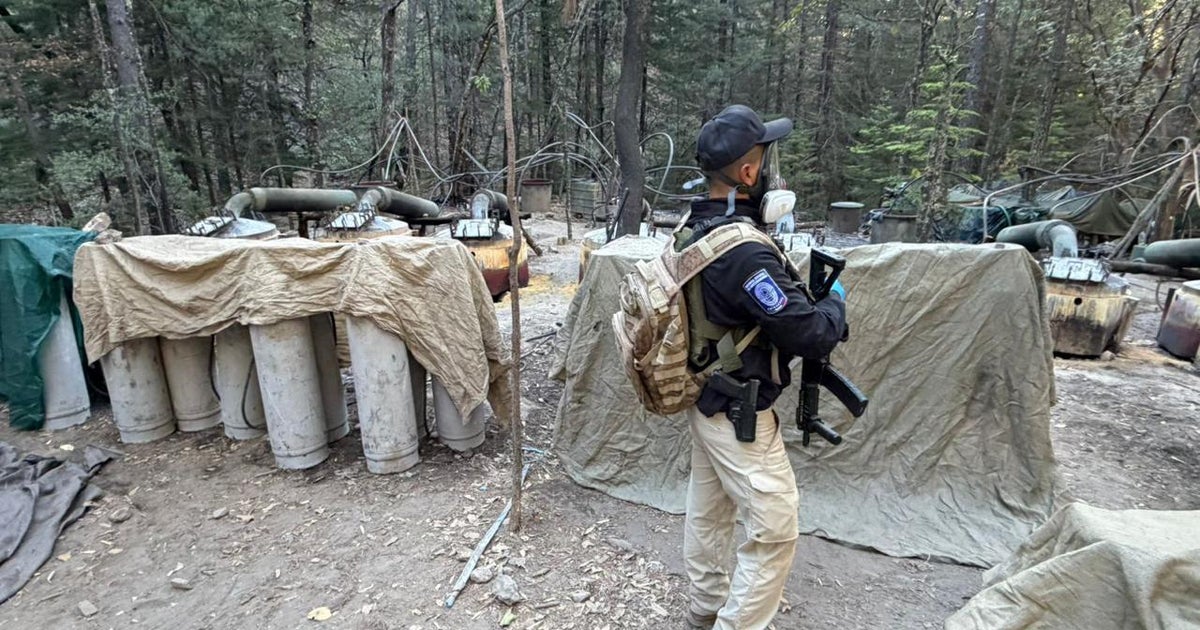
In a heartbreaking turn of events, what began as a successful operation against drug trafficking ended in tragedy when four anti-narcotics agents lost their lives in a devastating car accident in northern Mexico. The victims, including two American embassy workers, were returning from a series of major drug raids when their vehicle, which was leading a convoy of five official cars, skidded off the road and plunged into a ravine. The accident occurred over the weekend following raids on Friday and Saturday that targeted six clandestine synthetic drug laboratories in Morelos, located in the northern state of Chihuahua. State prosecutor Cesar Jauregui confirmed the details during a press conference on Sunday, describing the operation as the culmination of a three-month investigation. The loss of these dedicated professionals serves as a stark reminder of the dangers faced by those on the front lines of the war against drug trafficking, where the risks extend far beyond confronting armed criminals to include the hazardous terrain and challenging conditions in which these operations take place.
The Human Cost of Fighting Drug Cartels
Among those who perished were first commander of the state investigation agency Pedro Román Oseguera Cervantes and officer Manuel Genaro Méndez Montes, as identified by the state attorney general’s office. These weren’t just names on a roster; they were dedicated public servants who had committed their lives to protecting their communities from the devastating impact of drug trafficking. The two American victims were described as “instructor officers” who were engaged in training tasks as part of the ongoing anti-drug cooperation between the United States and Mexico. Their identities were not immediately released, though U.S. Ambassador Ronald Johnson paid tribute to all four victims in a statement on social media platform X, honoring their dedication and tireless efforts. “We extend our deepest condolences and our sympathies to the families of those who died in this tragic accident,” the attorney general’s office said in their official statement. Behind each of these individuals were families, friends, and colleagues who are now grappling with sudden and profound loss. These agents represented the binational commitment to combating the drug trade that has caused so much suffering on both sides of the border, and their sacrifice underscores the personal price paid by those who choose to serve in this dangerous line of work.
A Significant Victory Against Synthetic Drug Production
Despite the tragic ending, the operation itself represented a major victory in the fight against synthetic drug manufacturing in Mexico. Prosecutor Jauregui described the discovered facilities as “one of the largest sites found in the country where chemical drugs were produced.” The methamphetamine labs were located in the mountainous region between Morelos and Guachochi, areas known for their rugged terrain and remoteness, which makes them attractive to drug manufacturers seeking to operate away from scrutiny. The three-month investigation that led to these raids demonstrates the patient, methodical work required to dismantle these operations. Such facilities represent a critical link in the drug supply chain, producing the synthetic substances that ultimately make their way to streets in Mexico, the United States, and beyond. The discovery and dismantling of six labs in a single operation represents a significant disruption to the production capabilities of the criminal organizations operating in the region. These weren’t small-scale operations; the infrastructure and equipment found at these sites typically requires substantial investment and organization, suggesting that the raid dealt a meaningful blow to sophisticated trafficking networks.
International Cooperation in Action
The presence of American instructors alongside Mexican law enforcement officers illustrates the depth of cooperation between the two nations in addressing a shared threat. The U.S.-Mexico partnership on drug enforcement has evolved over decades, recognizing that the drug trade is fundamentally a transnational problem requiring coordinated responses. American personnel often provide training, intelligence sharing, and technical expertise to support Mexican efforts, while Mexican forces contribute local knowledge and operational capacity. Ambassador Johnson’s statement emphasized this partnership, noting that the tragedy “is a solemn reminder of the risks faced by those Mexican and U.S. officials who are dedicated to protecting our communities,” and adding that it “strengthens our resolve to continue their mission.” This sentiment reflects a recognition that setbacks, however devastating, cannot derail the essential work of combating drug trafficking. The cooperation extends beyond individual operations to encompass broader strategic planning, capacity building, and intelligence gathering. The loss of these four agents affects both countries, highlighting how interconnected the fight against drug cartels has become and how personnel from both nations face the same dangers when working together in the field.
Escalating Pressure on Mexican Drug Operations
The timing of these raids occurs within a broader context of increased Mexican action against drug laboratories, particularly following threats from President Trump regarding possible military action to curb cartel activities in Mexico. In recent months, Mexican authorities have announced the dismantling of numerous drug production facilities, suggesting either improved intelligence capabilities, increased enforcement efforts, or both. In February, Mexican naval personnel discovered and neutralized over 5,000 pounds of methamphetamine at a hidden laboratory in the Durango region. In January, authorities seized more than 1,500 pounds of meth from clandestine laboratories across the states of Durango, Sinaloa, and Michoacán. These figures represent enormous quantities of drugs prevented from reaching users and substantial financial losses for the criminal organizations that operate these facilities. The pattern of discoveries suggests a systematic campaign against synthetic drug production infrastructure rather than isolated incidents. The political dimension cannot be ignored—Mexico faces enormous pressure from the United States to demonstrate concrete results in controlling drug production and trafficking, and these high-profile operations serve both law enforcement and diplomatic purposes. However, the human cost illustrated by this tragedy reminds us that behind the statistics and political rhetoric are real people risking their lives.
Remembering the Sacrifice and Continuing the Mission
As families mourn and colleagues process this loss, the incident raises important questions about safety protocols, risk management, and the true cost of the drug war. The fact that the vehicle skidded off the road and plunged into a ravine suggests the challenging conditions under which these operations occur—often in remote, mountainous areas with difficult terrain and inadequate infrastructure. These aren’t risks that make headlines, but they’re every bit as deadly as armed confrontations. The deaths of Commander Cervantes, Officer Méndez Montes, and their two American colleagues represent a profound loss of experience, expertise, and dedication that cannot be easily replaced. Yet as Ambassador Johnson noted, tragedies like this ultimately strengthen resolve rather than diminish it. The work these agents were doing—dismantling the production infrastructure that supplies deadly drugs to communities across North America—remains as urgent as ever. The synthetic drug trade, particularly methamphetamine production, has devastated countless lives and communities. Those who choose to combat this threat understand the risks but proceed anyway out of commitment to public service and protection of society. As investigations continue into the exact circumstances of the accident, and as both Mexican and American authorities review whether additional safety measures might prevent similar tragedies, the mission continues. Other agents will follow the dangerous roads these four traveled, entering remote areas to dismantle labs and disrupt trafficking networks, knowing that they too face risks but believing the cause is worthy of the sacrifice. In honoring these four individuals, we honor everyone who serves on the front lines of this difficult fight.