


The Fall of “El Mencho” and Mexico’s Deadly Battle Against the Jalisco Cartel
A Violent Aftermath Claims Dozens of Lives
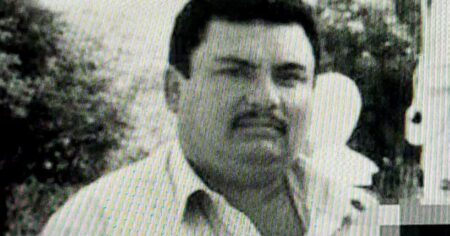
The death of one of Mexico’s most notorious drug lords has unleashed a wave of violence that left at least 73 people dead across multiple Mexican states, marking one of the bloodiest confrontations between security forces and organized crime in recent years. Nemesio Rubén Oseguera Cervantes, known throughout Mexico and the United States as “El Mencho,” was killed during a military operation in his home state of Jalisco. What followed was a terrifying display of cartel power as his organization, the Jalisco New Generation Cartel (CJNG), launched coordinated attacks across the country in retaliation. Among the dead were 25 members of the National Guard who lost their lives in six separate attacks, along with approximately 30 suspected cartel members in Jalisco, four more in the neighboring state of Michoacan, a prison guard, and an agent from the state prosecutor’s office. The violent response sent shockwaves through Mexican society, forcing school closures in several states and prompting both local and foreign governments to warn citizens to shelter in place as the country braced for further bloodshed.
The Operation That Brought Down Mexico’s Most Wanted
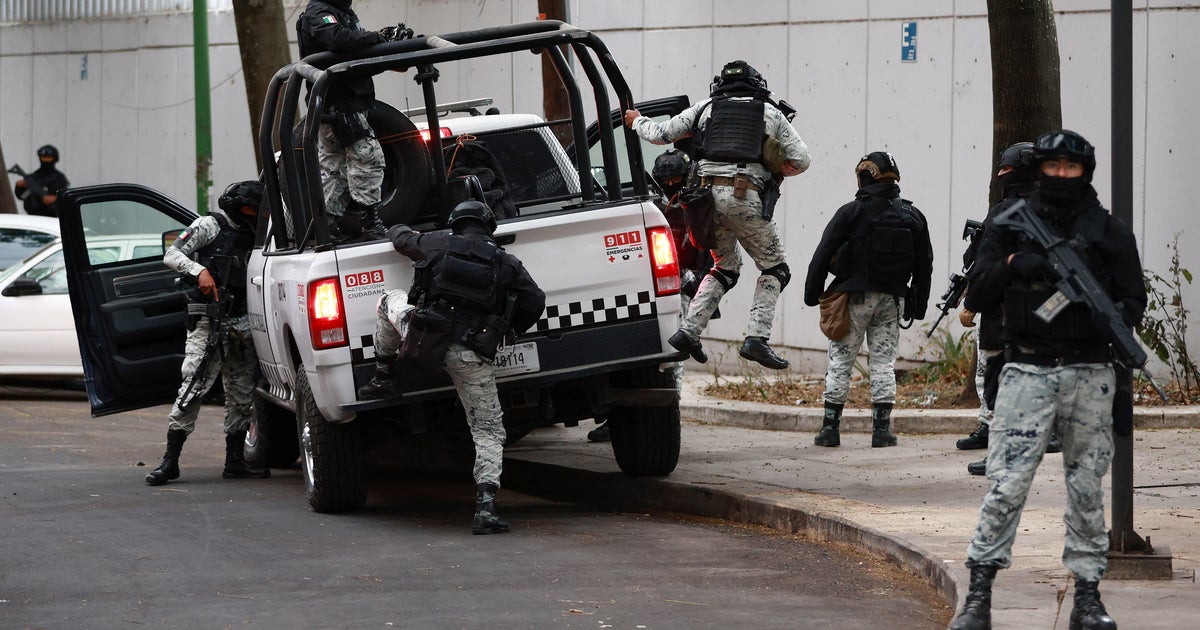
The operation that ended El Mencho’s reign was the result of intensified cooperation between Mexican and United States authorities, representing a significant shift in how both countries approach the fight against drug cartels. According to sources familiar with the mission, Mexican special forces tracked one of Oseguera Cervantes’ romantic partners to his hideout in Tapalpa, a small town in Jalisco located about two hours southwest of Guadalajara. When Army and National Guard special forces moved in on Sunday morning, they immediately encountered fierce resistance, with eight gunmen killed in the initial firefight. El Mencho managed to escape with two bodyguards into a wooded area, where another intense exchange of gunfire left all three seriously wounded. They were evacuated by helicopter along with a wounded soldier, but tragically, Oseguera Cervantes and his bodyguards died during the flight to Mexico City. The operation represented the culmination of months of enhanced intelligence sharing between the two nations, with U.S. personnel providing crucial intelligence and operational advice from outside Mexico while Mexican forces executed the dangerous mission on the ground.
A Nation Paralyzed by Fear
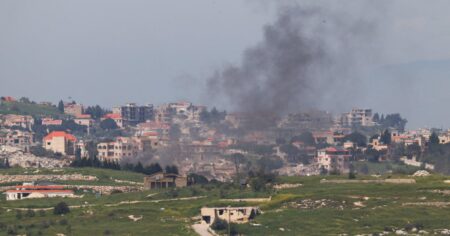
The immediate aftermath of El Mencho’s death transformed parts of Mexico into what resembled a war zone, with ordinary citizens caught in the crossfire of a conflict between the state and one of the world’s most powerful criminal organizations. Cartel members responded with coordinated violence across the country, establishing more than 250 roadblocks across 20 states, blocking roads, and setting fire to vehicles in a show of force designed to demonstrate their continued power despite the loss of their leader. In Guadalajara, Mexico’s second-largest city and the capital of Jalisco state, the streets were virtually empty on Sunday as terrified residents remained in their homes. Perhaps most poignantly, more than 1,000 people found themselves trapped overnight at the Guadalajara zoo, sleeping on buses because it was too dangerous to venture home. Among them were families with small children and elderly people who had been stranded since 9 a.m. when the violence erupted. Zoo director Luis Soto Rendón made the compassionate decision to allow people to stay inside for their safety, recognizing that many were trying to return to nearby states like Zacatecas and Michoacan, where the violence was equally severe. As Monday morning arrived, the scene of mothers wrapped in blankets carrying their toddlers off the buses for bathroom breaks, all under the watchful guard of police trucks, painted a stark picture of how deeply cartel violence can disrupt everyday life in Mexico.
The Human Cost of Mexico’s Drug War
Beyond the statistics and security briefings, the violence that followed El Mencho’s death revealed the very real human toll of Mexico’s ongoing struggle against drug cartels. Irma Hernández, a 43-year-old hotel security guard in Guadalajara, personified the anxiety felt by millions of ordinary Mexicans as she arrived at work early Monday morning, grateful that her employers had organized a private car to pick her up since public buses weren’t running. Her worry wasn’t just about getting to work—it was about not knowing how she would get home if violence erupted again while she was away from her family, who were too frightened to leave their house. Tourists in Puerto Vallarta, a popular beach resort, found themselves in an surreal situation, walking along the beach while smoke rose ominously in the distance from burning vehicles. Those arriving at Guadalajara’s international airport Sunday night were greeted with the unsettling news that it was operating with only limited personnel because of the security situation. The U.S. Embassy took the unusual step of ordering its personnel in eight cities and the entire state of Michoacan to shelter in place and work remotely, while warning American citizens throughout much of Mexico to do the same. Even basic services like taxi and rideshare companies suspended operations in some areas, leaving people stranded and isolated in a country where mobility is often essential for work, family obligations, and basic needs.
A Diplomatic Victory Amid Political Pressure
For Mexican President Claudia Sheinbaum, the successful operation against El Mencho represents both a significant law enforcement achievement and a crucial diplomatic moment in her country’s complex relationship with the United States. President Trump has repeatedly demanded that Mexico do more to fight the smuggling of fentanyl, the synthetic opioid responsible for tens of thousands of American deaths each year, threatening to impose tariffs or even take unilateral military action if Mexico didn’t show concrete results. The death of the world’s most prolific fentanyl trafficker—a man with a $15 million U.S. bounty on his head—offered Sheinbaum a powerful response to those demands. U.S. Ambassador Ron Johnson was quick to recognize the Mexican armed forces’ success and sacrifice, noting that “under the leadership of President Trump and President Sheinbaum, bilateral cooperation has reached unprecedented levels.” However, analysts like David Mora from the International Crisis Group warn that this apparent victory could pave the way for even more violence as rival criminal organizations attempt to seize territory and operations previously controlled by the weakened CJNG. Mora noted that Sheinbaum’s administration has taken a markedly more confrontational approach toward cartels than her predecessors, signaling to the United States that with continued intelligence cooperation, Mexico can handle its security challenges without needing American troops on Mexican soil—a prospect that would be politically toxic for any Mexican leader.
The Long Shadow of the Jalisco Cartel
Nemesio Oseguera Cervantes built one of the most formidable criminal empires in the Western Hemisphere, and his death, while significant, doesn’t necessarily spell the end of the organization he created. The Jalisco New Generation Cartel began operations around 2009 and quickly became one of Mexico’s most powerful and fastest-growing criminal organizations, notorious not just for trafficking fentanyl, methamphetamine, and cocaine to the United States, but for its willingness to directly confront government authority. The cartel pioneered the use of explosives launched from drones, installed land mines, and carried out brazen attacks on military helicopters and government officials. In 2020, they executed a spectacular assassination attempt with grenades and high-powered rifles in the heart of Mexico City against the then-head of the capital’s police force, who is now the federal security secretary. As Matthew Donahue, the DEA’s top agent in Mexico, stated in 2019, El Mencho was “the number one priority for DEA and frankly for federal law enforcement in the United States.” In February 2025, the Trump administration designated the cartel as a foreign terrorist organization, elevating it to a status shared with groups like ISIS and Al-Qaeda. While President Sheinbaum has criticized the “kingpin strategy” of targeting cartel leaders—a approach that has historically led to explosions of violence as cartels splinter and fight for control—she found herself under immense pressure from the Trump administration to show results. The coming weeks and months will reveal whether El Mencho’s death represents a genuine turning point in Mexico’s drug war or simply another chapter in an ongoing tragedy that has claimed hundreds of thousands of lives over the past two decades.