


The Fall of El Mencho: A Mexican Town Caught Between Normalcy and Chaos
A Tranquil Town Transformed into a Battlefield
The quiet, picturesque town of Tapalpa, Mexico, found itself at the center of a national crisis following one of the most significant events in the country’s ongoing war against drug cartels. Just a day after the Mexican army killed Nemesio Oseguera Cervantes, better known as “El Mencho,” the leader of the powerful Jalisco New Generation Cartel, the town presented a surreal picture of everyday life colliding with extraordinary violence. On Monday morning, children played innocently in the cobblestone streets after their classes were suspended due to the outbreak of fighting. Tourist shops tentatively opened their doors on Tapalpa’s charming main plaza, trying to maintain some semblance of normalcy. However, this facade of ordinary life was shattered by the sound of gunshots echoing through the streets and the grim sight of a bullet-riddled Jeep with a dead man lying beside it on the road just outside town. The contrast couldn’t have been starker – a town struggling to maintain its peaceful identity while being thrust into the violent aftermath of a major cartel leader’s death.
The Death of Mexico’s Most Wanted and Its Bloody Aftermath
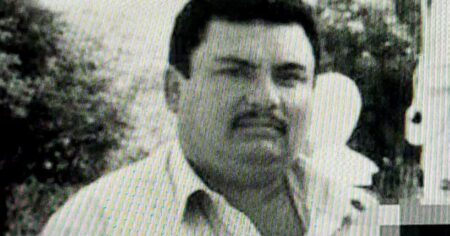
The operation that led to El Mencho’s death represents one of the most significant victories in Mexico’s long and often frustrating battle against organized crime. The notorious drug lord had been at the helm of one of Mexico’s fastest-growing and most ruthless criminal organizations, responsible for trafficking massive quantities of fentanyl, methamphetamine, and cocaine into the United States. His cartel had become infamous for staging brazen attacks against Mexican government officials and security forces, displaying a level of audacity and firepower that had made them one of the most feared criminal organizations in the country. According to Mexican Defense Secretary Gen. Ricardo Trevilla, authorities tracked one of Oseguera Cervantes’ romantic partners to his hideout in Tapalpa, leading to a dramatic confrontation on Sunday. The cartel leader and two of his bodyguards attempted to escape into a wooded area, where a fierce firefight ensued. All three were seriously wounded and taken into custody, but they died while being transported to Mexico City for medical treatment. The operation came at an enormous cost in human lives – Mexican authorities reported that more than 70 people died in the attempt to capture the drug lord and the violent aftermath that followed. The body count included 25 members of the Mexican National Guard killed in six separate attacks, approximately 30 suspected cartel members killed in Jalisco, four others in the neighboring state of Michoacan, plus a prison guard and an agent from the state prosecutor’s office.
The Cartel’s Fierce Response Across Mexico
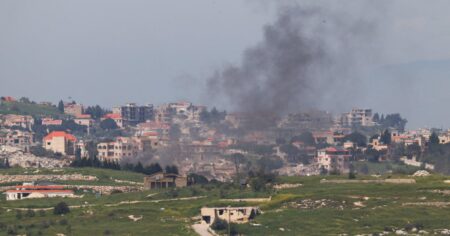
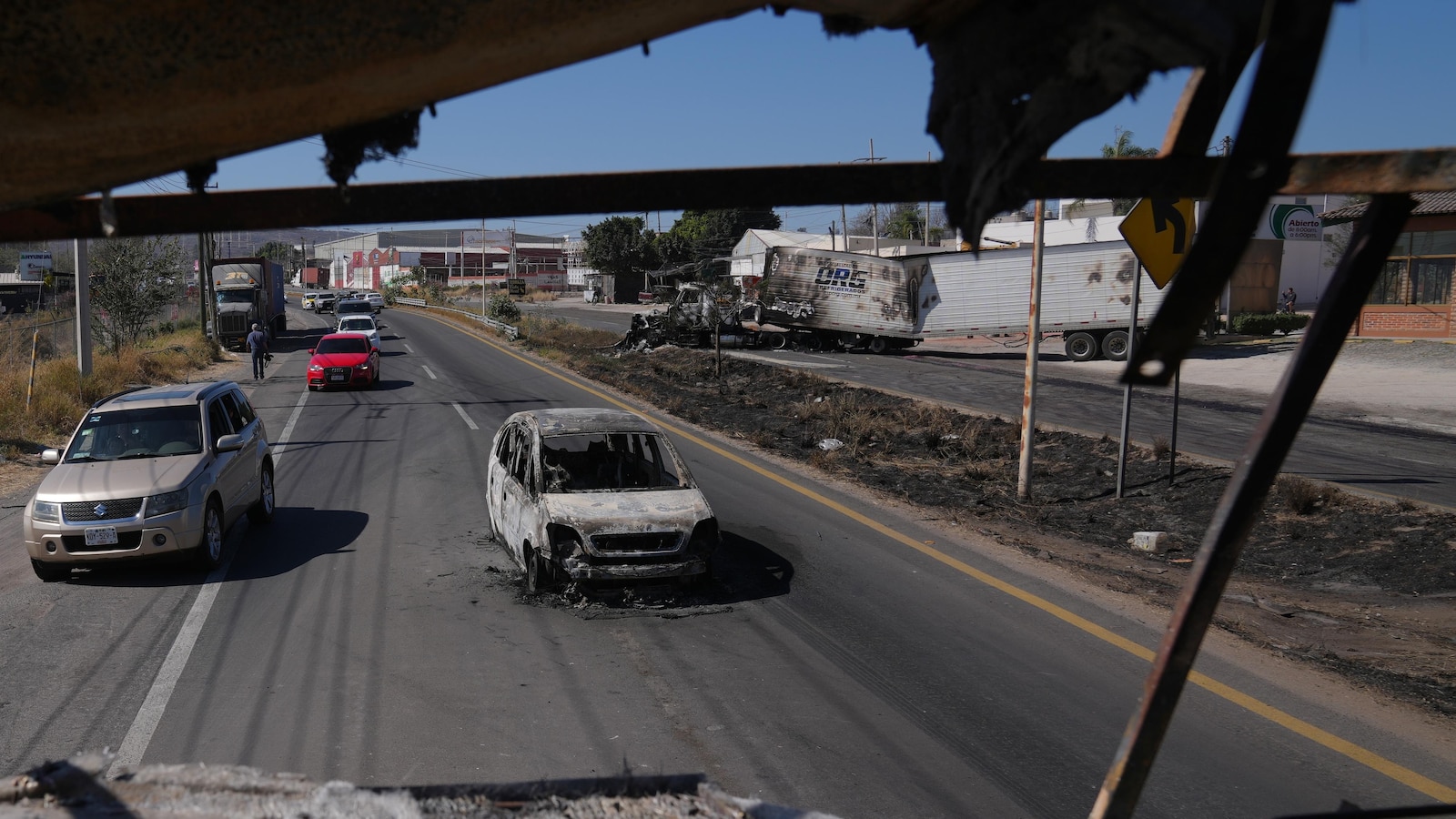
The Jalisco New Generation Cartel’s response to their leader’s death demonstrated both their organizational reach and their capacity for widespread violence. In a coordinated show of force that sent shockwaves throughout Mexico, cartel members erected more than 250 roadblocks across 20 states and set fire to vehicles in multiple locations. The violence wasn’t random – it was a calculated display of the organization’s power and a warning to the Mexican government. In Jalisco state alone, soldiers killed a high-ranking cartel member who was actively coordinating retaliatory violence and reportedly offering more than $1,000 bounties for every soldier killed. Heavily armed Mexican security forces found themselves in pitched battles with cartel gunmen, with smoke rising from the outskirts of Tapalpa as fighters continued to block roads and resist government forces. The scale of the violence forced several Mexican states to cancel school on Monday, while both local and foreign governments issued urgent warnings for citizens to stay indoors. The U.S. Embassy took the extraordinary step of ordering its personnel in eight cities and throughout the state of Michoacan to shelter in place and work remotely, while warning American citizens in many parts of Mexico to do the same.
Terror and Uncertainty for Residents and Tourists
For the people caught in the middle of this violence – both Mexican citizens and foreign tourists – the experience was terrifying and surreal. In Guadalajara, Mexico’s second-largest city and the capital of Jalisco state, the usually bustling streets were nearly deserted on Sunday as fearful residents stayed locked in their homes. Steve Perkins, a 57-year-old visitor from Broken Arrow, Oklahoma, found himself trapped in Puerto Vallarta with his wife when their flight home was canceled. While having morning coffee on their hotel terrace, the couple heard explosions and gunshots and watched thick black smoke billow over the city. “The entire downtown in the bay was just covered in thick black smoke, pretty scary,” Perkins recalled. The situation became even more frightening when they heard screaming. The couple traded their vacation flip-flops for running shoes in case they needed to flee, and in a moment of genuine fear, Perkins’ wife called their children to say goodbye, uncertain if they would make it home safely. Meanwhile, more than 1,000 people found themselves stranded overnight at Guadalajara’s zoo, sleeping in buses because it was too dangerous to venture home to nearby states like Zacatecas and Michoacan. Zoo director Luis Soto Rendón explained that they decided to let people stay inside for their safety, with everyone from small children to senior citizens taking refuge among the animal exhibits.
Daily Life in the Shadow of Violence
By Monday, some residents of Guadalajara cautiously ventured out to work and buy essential supplies, a notable change from the complete shutdown the day before. However, the return to normalcy was fragile and incomplete. José Luis Ramírez, a 54-year-old therapist, joined a long line of people waiting outside one of the few pharmacies that dared to open. Families were purchasing food, medicine, water, diapers, and baby formula through a chained door, with pharmacists passing items through the small opening – a scene that illustrated how fear had transformed even routine shopping into a security operation. “We have to not think scared, but be cool-headed, like they say, and take things as they come,” Ramírez said, making his first trip outside since the violence erupted. For those who had to work, the journey was fraught with difficulty and danger. Irma Hernández, a 43-year-old hotel security guard, normally took public transportation to her job, but with buses not running, she had no way to cross the city. Her bosses organized a private car to pick her up while her family remained at home, too frightened to leave. “I am worried because I don’t know how to get home if something happens,” she expressed, capturing the anxiety that gripped the city. On the outskirts of Tapalpa, 25-year-old Joel Ramírez and two friends found themselves stuck at a military blockade, unable to get home since Sunday’s violence erupted. Ramírez, who makes his living hauling things in his pickup truck, waited nervously for soldiers to clear tree limbs blocking the road. “Everything seems calmer, but we were almost there and got stuck,” he said. “We’re scared.”
International Implications and An Uncertain Future
The killing of El Mencho represents a significant moment in the complex relationship between the United States and Mexico regarding drug trafficking and security cooperation. The White House confirmed that the U.S. provided intelligence support for the operation, and both countries celebrated the elimination of one of their most wanted criminals. The U.S. State Department had offered a reward of up to $15 million for information leading to El Mencho’s arrest, reflecting just how high a priority his capture had become. The Jalisco New Generation Cartel, which began operating around 2009, had grown into one of Mexico’s most powerful and technologically sophisticated criminal organizations. In February 2025, the Trump administration designated the cartel as a foreign terrorist organization, acknowledging the group’s exceptional capacity for violence and innovation in warfare tactics. The cartel had become notorious for its aggressive attacks on the military, including shooting down helicopters, and for being pioneers in using drones to launch explosives and planting mines against their enemies. The Mexican government hoped that the death of the world’s biggest fentanyl trafficker would ease pressure from the Trump administration, which had been demanding that Mexico do more to fight drug smuggling and had threatened to impose tariffs or even take unilateral military action if results weren’t forthcoming. However, as the smoke cleared and the initial shock wore off, many Mexicans found themselves anxiously waiting to see how the powerful cartel would ultimately respond to the loss of its leader. The question on everyone’s mind was whether El Mencho’s death would weaken the organization or simply trigger a violent succession battle that could make things even worse. For the residents of Tapalpa and cities throughout Jalisco and beyond, the future remained deeply uncertain, with the hope for peace tempered by the realistic fear that more violence might still be coming.