


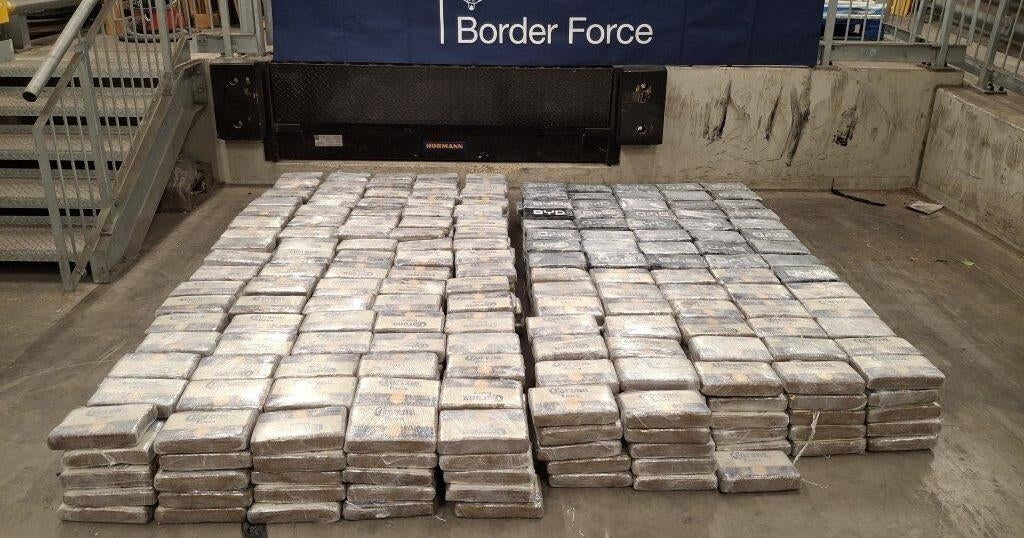

Major Cocaine Smuggling Operation Busted in British Port
Three Men Face Life Sentences After Nearly $100 Million Drug Seizure
British authorities have charged three men following the discovery of an enormous cocaine shipment cleverly concealed within a container of bananas at a major English port. The seizure, valued at approximately $98.9 million, represents one of the most significant drug busts in recent UK history and highlights the ongoing battle against international narcotics trafficking. Joshua Berry, 28, Daniel Dumitru, 37, and Andrew Smyth, 46, now face the possibility of spending the rest of their lives behind bars if convicted of their alleged roles in this sophisticated smuggling operation. The case has drawn attention not only because of the sheer volume of drugs involved but also because it follows a pattern of criminals using banana shipments as cover for their illegal activities.
The Discovery and Arrests That Shook Southampton
The dramatic seizure unfolded at Southampton Docks in southern England, where border officers made the stunning discovery while inspecting a shipping container that had just arrived from Central America. Inside what appeared to be an ordinary commercial shipment of bananas, investigators found more than 2,000 pounds—approximately one full ton—of pure cocaine hidden among the fruit. The container had originally departed from Nicaragua before making its way through Panama and eventually arriving at the British port. The discovery prompted immediate action from the National Crime Agency, which coordinated the arrests of all three suspects in the Southampton area. Berry, who was the last of the trio to be apprehended, made his initial court appearance on Friday, while Dumitru and Smyth had already been taken into custody nearly two weeks earlier. All three men are scheduled to appear together in court on April 17, where they will face formal charges related to the attempted trafficking operation.
The Staggering Value and Impact of the Seizure
The amount of cocaine seized in this single operation is truly breathtaking in scope. With a street value estimated at 75 million British pounds, or roughly $98.9 million in US currency, this shipment represented enough drugs to supply countless dealers and cause immeasurable harm to communities across the United Kingdom. To put this in perspective, one ton of cocaine is enough to produce millions of individual doses that would have flooded British streets had the smuggling attempt succeeded. Saju Sasikumar, a branch commander with the National Crime Agency, emphasized the significance of the bust in his public statement, noting that “this is a massive amount of cocaine which was destined for the streets of the UK.” He further explained that by seizing these drugs, authorities have deprived the criminal organization behind the importation of enormous profits that would otherwise have been reinvested into additional criminal activities, creating a vicious cycle of drug trafficking and related crimes.
Bananas: The Smuggler’s Fruit of Choice
What makes this case particularly interesting to law enforcement officials is the method used to conceal the drugs—hiding them within a shipment of bananas. This isn’t a new or isolated tactic; rather, it has become something of a preferred method for international drug traffickers. The choice of bananas as a cover isn’t random. These tropical fruits are shipped internationally in enormous quantities, making individual containers less likely to draw scrutiny. Additionally, bananas require climate-controlled shipping conditions and are typically moved quickly through ports to prevent spoilage, which smugglers hope will mean less thorough inspections. In recent months alone, authorities in countries around the world—including Russia, Norway, the Dominican Republic, Greece, and Bulgaria—have all reported seizing cocaine hidden in banana shipments. The United Kingdom itself has become something of a hotspot for these banana-concealed smuggling attempts, with Southampton Docks appearing to be a particular target for traffickers trying to access the lucrative British drug market.
A Pattern of Banana-Related Busts
The current case is far from the first time Southampton has seen cocaine hidden among bananas. In fact, just over a year ago, in February 2024, British authorities made what was then described as the largest single seizure of hard drugs in the country’s history—also at Southampton Docks, and also involving bananas. That operation uncovered more than 12,500 pounds of cocaine, an amount that dwarfed the current seizure and set a new record for drug enforcement in the UK. The repeated targeting of this particular port, and the consistent use of banana shipments as cover, suggests that criminal organizations view this route as particularly promising, despite the obvious risks. It also indicates that these aren’t isolated incidents involving small-time criminals, but rather components of a much larger, organized international trafficking network that moves drugs from South and Central America to European markets. The frequency of these discoveries has prompted authorities to increase their vigilance regarding banana shipments, though traffickers continue to attempt this method, likely because when it succeeds, the profits are so enormous that they offset the risk of occasional losses to law enforcement.
The Legal Consequences and Broader Implications
The three men now facing charges in connection with this smuggling attempt are confronting the most serious possible consequences under British law. According to UK sentencing guidelines for drug trafficking offenses of this magnitude, Berry, Dumitru, and Smyth could each receive maximum penalties of life imprisonment if convicted. This reflects the British legal system’s view of large-scale drug trafficking as among the most serious criminal offenses, given the devastating impact these substances have on individuals, families, and entire communities. Beyond the immediate legal consequences for these three defendants, the case serves as a reminder of the constant battle that law enforcement agencies face in trying to stem the flow of illegal drugs into the country. The National Crime Agency and border officials must remain perpetually vigilant, inspecting countless legitimate shipments in the hope of catching the relatively small percentage that contain contraband. Each successful seizure like this one represents not just drugs kept off the streets, but also valuable intelligence about trafficking routes, methods, and organizations that can inform future enforcement efforts. As the three accused men await their April 17 court date, their case stands as both a warning to other would-be smugglers and a testament to the dedication of the officers who work tirelessly to protect communities from the scourge of illegal drugs.