


Major Drug Busts in the Pacific: A Tale of Two Approaches
Historic Seizures Mark a Successful Week for Regional Navies
This week brought significant victories in the ongoing battle against drug trafficking in the Pacific Ocean, as the navies of Mexico and El Salvador announced massive cocaine seizures totaling more than 10 tons. These operations highlight the continuing cat-and-mouse game between law enforcement and drug smuggling operations that use increasingly sophisticated methods to move their illicit cargo through international waters. The announcements came against a backdrop of controversy surrounding U.S. military operations in the same region, which have resulted in deadly force being used against suspected drug traffickers, raising questions about the balance between enforcement and human rights.
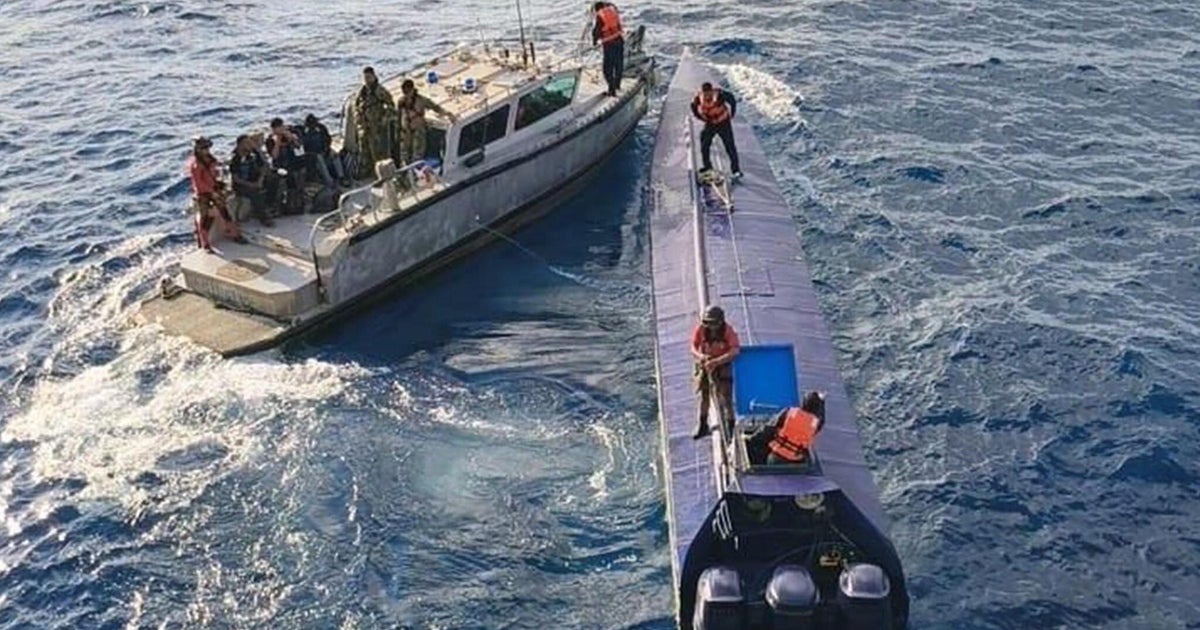
Mexico’s contribution to this week’s haul came on Thursday when authorities intercepted a so-called “narco sub” – a semi-submersible craft designed to evade detection – approximately 250 nautical miles south of the Pacific port of Manzanillo. The seizure netted about four tons of suspected cocaine and resulted in the arrest of three individuals operating the sleek, low-riding vessel equipped with three visible motors. Mexican Security Secretary Omar García Harfuch took to social media platform X to announce that this single bust brought Mexico’s weekly total to nearly 10 tons of seized narcotics, though details about the other seizures during that period were not immediately provided. The operation was carried out with intelligence assistance from U.S. Northern Command and the U.S. Joint Interagency Task Force South, demonstrating the continued cooperation between the two nations despite recent political tensions. Authorities released dramatic video footage showing a Mexican naval vessel intercepting the narco sub and images of the substantial quantity of confiscated drugs laid out for documentation.
El Salvador’s Record-Breaking Bust
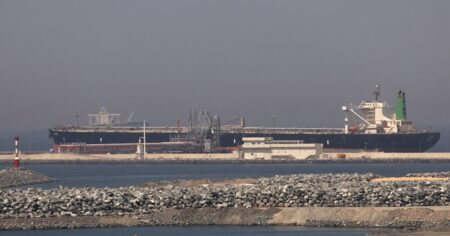
The week’s drug interdiction successes began on Sunday when El Salvador’s navy made what officials called the largest drug seizure in the nation’s entire history. Operating 380 miles southwest of the Salvadoran coast, naval forces intercepted a 180-foot vessel registered to Tanzania that was attempting to smuggle a staggering 6.6 tons of cocaine. The operation required navy divers to search the ship’s ballast tanks, where they discovered 330 packages of cocaine cleverly hidden in compartments designed to avoid detection. The sophisticated smuggling operation involved an international crew of ten men hailing from Colombia, Nicaragua, Panama, and Ecuador, all of whom were arrested and taken into custody. On Thursday, Salvadoran authorities provided media access to the seized vessel, identified as the FMS Eagle, which had been brought to the port of La Union. Striking images released by the navy showed more than 200 individually wrapped bundles of cocaine methodically lined up on the ship’s deck, providing visual testimony to the massive scale of the interdiction.
Political Pressure and Mexico’s Evolving Strategy
These successful seizures come at a time when the Trump administration has been applying significant pressure on Mexico to intensify its efforts against drug trafficking organizations. President Trump has specifically cited the trafficking of dangerous drugs like fentanyl as justification for imposing tariffs on Mexican imports, using economic leverage to encourage more aggressive action against cartels. Mexican President Claudia Sheinbaum has responded to this pressure by adopting a noticeably more aggressive stance toward drug cartels compared to her predecessor. Her administration has demonstrated this commitment through concrete actions, including the extradition of dozens of drug trafficking prisoners to the United States for prosecution in American courts. Just last month alone, Mexico sent 37 individuals north of the border to face justice in U.S. federal courts, a significant gesture of cooperation that addresses long-standing American concerns about cartel leaders evading serious consequences for their crimes.
Security Secretary García Harfuch emphasized the importance of this week’s seizures in his social media statement, describing the operation as “a direct and multimillion-dollar blow to the financial structures of organized crime.” He highlighted that preventing these drugs from reaching their destinations means “millions of doses from reaching the streets and protecting the safety of Mexican families.” This rhetoric reflects the Sheinbaum administration’s effort to frame anti-drug operations not just as responses to American pressure, but as essential measures for protecting Mexican citizens from the violence and social harm associated with the drug trade.
The Controversial U.S. Military Approach
While celebrating these collaborative seizure operations, President Sheinbaum has simultaneously expressed strong disagreement with another aspect of U.S. anti-drug strategy: military strikes against vessels suspected of carrying narcotics. This disagreement highlights a fundamental difference in approach between the two neighboring nations when it comes to combating drug trafficking on the high seas. The United States has pursued an increasingly aggressive military strategy that involves using lethal force against boats suspected of transporting drugs, a policy that has resulted in significant loss of life but has raised serious concerns about due process, rules of engagement, and whether such extreme measures are proportionate to the crime being committed.
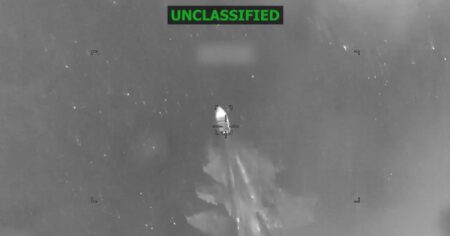
The statistics surrounding these U.S. military operations are sobering and controversial. Since the U.S. government began targeting what it calls “narcoterrorists” in September of last year, at least 145 people have been killed in these strikes in the Caribbean Sea and Pacific Ocean. Just this week alone, the operations resulted in 11 deaths across three separate boat incidents. Two vessels in the eastern Pacific Ocean, each carrying four people, were destroyed, while another boat in the Caribbean carrying three people met the same fate. The U.S. administration released images showing the boats being destroyed in dramatic fashion, but notably did not provide evidence that these particular vessels were actually carrying drugs at the time they were attacked. This lack of transparency has fueled criticism from human rights organizations and regional partners who question whether summary destruction of vessels represents appropriate law enforcement or a dangerous overreach that amounts to extrajudicial killing.
Contrasting Methods and Their Implications
The contrast between the Mexican and Salvadoran seizure operations and the U.S. military strikes could not be more stark, and it raises important questions about the most effective and ethical approaches to combating maritime drug trafficking. The traditional law enforcement approach, as demonstrated by Mexico and El Salvador this week, involves intercepting suspect vessels, detaining the crew members for criminal prosecution, and seizing the contraband as evidence. This method preserves human life, allows for judicial processes to determine guilt or innocence, and provides valuable intelligence through interrogation of captured smugglers. The suspects arrested in these operations will face trial, and if convicted, will serve sentences proportionate to their crimes. The seized drugs and vessels become evidence in criminal cases, and the intelligence gathered can lead to further investigations that may reach higher levels of trafficking organizations.
In contrast, the U.S. military approach eliminates the vessels and their crews entirely, preventing any possibility of criminal prosecution, intelligence gathering, or even confirmation that drugs were actually aboard. While supporters of this aggressive strategy argue that it creates a powerful deterrent effect and eliminates problems associated with prosecuting foreign nationals in complex international legal situations, critics point out that it essentially amounts to a death penalty imposed without trial for a crime that hasn’t been proven. The lack of evidence released by the U.S. government regarding the presence of drugs on destroyed vessels is particularly troubling from a human rights and rule of law perspective.
Earlier this week, the U.S. Coast Guard demonstrated that traditional interdiction methods can still be effective, seizing over 2,000 pounds of cocaine while attempting to intercept a boat trafficking drugs off Puerto Rico. When the crew of the suspected smuggling vessel “began evasive maneuvers,” they threw their cargo overboard and fled, but the Coast Guard was able to recover the drugs without loss of life. This incident shows that even when suspects attempt to evade capture, law enforcement can still achieve the primary objective of preventing drugs from reaching their destination without resorting to lethal force. As the debate over appropriate counter-narcotics strategies continues, this week’s seizures by Mexico and El Salvador demonstrate that traditional law enforcement cooperation can produce significant results in the fight against drug trafficking while respecting human rights and international legal norms.