

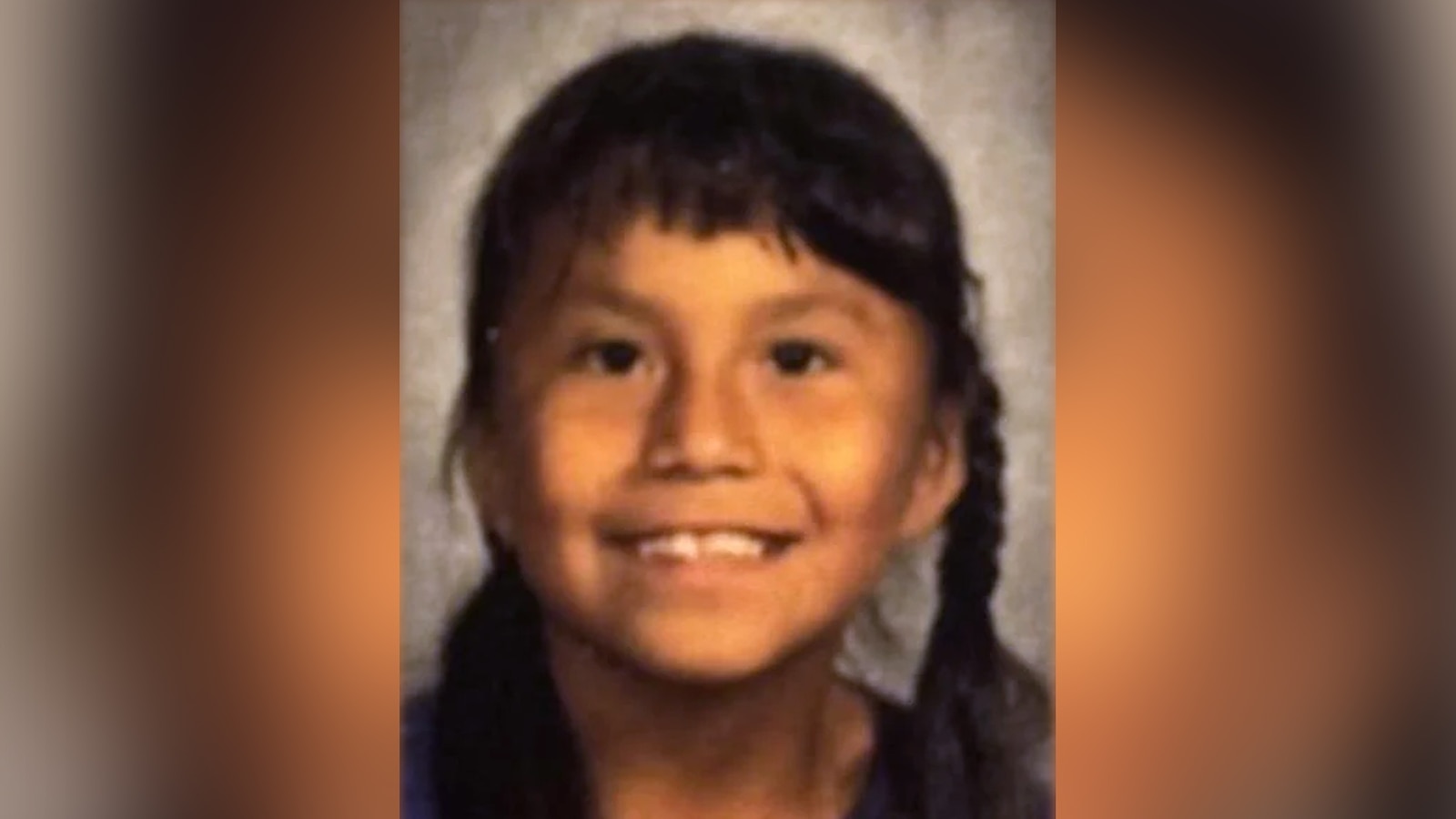

The Tragic Loss of Maleeka “Mollie” Boone: A Community Searches for Answers
A Heartbreaking Discovery on the Navajo Nation
The Navajo Nation community is grieving the devastating loss of 8-year-old Maleeka “Mollie” Boone, whose death has left families across the reservation searching for answers and holding their children a little closer. What began as every parent’s worst nightmare—a missing child—ended in tragedy when Mollie’s body was discovered the morning after she disappeared from her neighborhood in Coalmine, Arizona. The FBI has now revealed that this precious young girl was likely the victim of a hit-and-run incident, struck by a passing vehicle whose driver may not have even realized what happened. The announcement has sent shockwaves through the tight-knit community, where everyone knew Mollie’s bright smile and where the loss of such a young life feels unbearable. As federal investigators piece together the final moments of Mollie’s life, her family and community are left grappling with grief while desperately hoping that someone, somewhere, has information that could bring closure to this heartbreaking case.
The Events of That Fateful Afternoon
January 15th started like many other days for young Mollie Boone. The 8-year-old was doing what countless children across America do on a winter afternoon—playing in her neighborhood, enjoying the simple pleasures of childhood. According to the FBI’s timeline, Mollie was outside playing late that afternoon in her community within the Coalmine Navajo Housing Authority. As the sun began to set and the Arizona sky turned those beautiful desert colors, Mollie started making her way home, probably thinking about dinner or homework or maybe what she’d play tomorrow. It was somewhere between 5:50 p.m. and 6:20 p.m., during that half-hour window when many families are preparing evening meals and children are being called inside, that tragedy struck. Investigators now believe that as Mollie walked along Cedar Loop Road, she was hit by a vehicle—possibly a larger one like a pickup truck. The FBI has suggested that the driver might not have even realized they struck the child, a detail that adds another layer of complexity and heartbreak to an already devastating situation. When darkness fell and Mollie didn’t come home, her family’s concern turned to panic, and a search began that would end in every parent’s worst fear.
A Community United in Grief and Determination
The discovery of Mollie’s body the morning after she went missing devastated the Navajo Nation community. In places like Coalmine, where communities are tightly woven together through family ties, shared history, and cultural bonds, the loss of a child is felt by everyone. Mollie wasn’t just one family’s daughter—she was a member of the broader community, a young life full of promise and potential, representing the future of the Navajo people. The grief that has settled over the community is profound, but so is the determination to find out what happened and to ensure that whoever is responsible is identified. Native American communities across the United States have long faced challenges when it comes to justice and safety, often feeling overlooked and underserved. The fact that the FBI has taken the lead in this investigation—as they do for major crimes on tribal lands—offers some hope that this case will receive the attention it deserves. Community members have been sharing Mollie’s story, spreading the word about the investigation, and urging anyone who might have information to come forward, demonstrating that even in grief, they stand together.
The FBI’s Investigation and Appeal for Information
The Federal Bureau of Investigation has made solving Mollie’s case a priority, and their Phoenix office has been working diligently to piece together what happened during those critical thirty minutes on January 15th. Their investigation has led them to believe that Mollie was struck by a passing vehicle, most likely something larger like a pickup truck—a common vehicle type in rural Arizona communities where roads can be long and vehicles need to handle rough terrain. What makes this case particularly challenging is the possibility that the driver genuinely didn’t realize they had hit someone. On darkening winter evenings, on roads that may not be well-lit, in larger vehicles where the driver sits high above the road, it’s conceivable, however difficult to imagine, that such a tragedy could occur without the driver’s immediate awareness. However, investigators are hoping that someone either saw something that evening or that the driver, upon hearing about Mollie’s death, will come forward. The FBI has specifically asked for information about any vehicles that were traveling on Cedar Loop Road in the Coalmine Navajo Housing Authority between 5:50 p.m. and 6:20 p.m. on that day. They’re urging anyone who was in the area, who might have seen a vehicle driving unusually, or who has noticed unexplained damage to a vehicle since that date, to contact them immediately. The agency has set up multiple ways for people to provide tips, including calling 1-800-CALL-FBI or submitting information online at tips.fbi.gov, ensuring that anyone with information can reach out confidentially.
The Broader Context of Safety in Rural Native Communities
Mollie’s death highlights broader concerns about safety in rural Native American communities, where infrastructure challenges can create dangerous conditions. Many roads on reservations, including those on the Navajo Nation—which spans parts of Arizona, New Mexico, and Utah and is the largest reservation in the United States—lack adequate lighting, clear signage, or even paved surfaces. Children in these communities often have to walk along roads without sidewalks, where vehicles may travel at higher speeds and visibility can be poor, especially during dawn and dusk hours. The Navajo Nation, like many tribal communities, has long advocated for better infrastructure funding and resources to address these safety concerns, but progress has been slow. Mollie’s death is a tragic reminder of how these infrastructure gaps can have devastating consequences. Beyond the physical infrastructure, there are also concerns about the investigation and prosecution of crimes on tribal lands, which involve complex jurisdictional issues between tribal, state, and federal authorities. Native American communities have historically experienced some of the highest rates of violent crime in the country, and families often feel that cases involving Native victims don’t receive the same attention or resources as those in non-Native communities. The FBI’s active involvement in Mollie’s case is encouraging, but her family and community will be watching closely to ensure that the investigation is thorough and that justice is ultimately served.
Remembering Mollie and the Path Forward
As the investigation continues, those who knew Mollie are focused on remembering the beautiful child she was rather than only the tragedy of how she died. At just 8 years old, Mollie had her whole life ahead of her—years of school, friendships, family gatherings, traditional ceremonies, and all the experiences that make up a life. Her loss is immeasurable to her family, who will never get to see her grow up, graduate, or have children of her own. For her friends, there’s an empty desk at school and a missing playmate. For the Navajo Nation, she represents yet another young life cut short, a painful reminder of the vulnerabilities their communities face. In the wake of this tragedy, there are calls not only for justice in Mollie’s specific case but also for broader changes that could prevent similar tragedies in the future. Community leaders are discussing improved road safety measures, better lighting, perhaps speed reduction zones near residential areas, and increased awareness campaigns for drivers about watching for pedestrians, especially children. Some are also calling for more resources for tribal law enforcement and faster response times for missing persons cases. As painful as Mollie’s death is, her community is determined that her legacy will be one of positive change—that her loss will motivate improvements that could save other children’s lives. For now, though, the most immediate hope is that someone with information will find the courage to come forward, giving Mollie’s family the answers they desperately need and ensuring that whoever is responsible is held accountable. In remembering Mollie Boone, the Navajo Nation is reminded of both the fragility of life and the strength of community—the way people come together in times of grief to support one another and to demand justice for the most vulnerable among them.