
A Child’s Nightmare: The Shocking Case of a Boy Imprisoned in a Van in Rural France
The Discovery That Shocked a Small French Village
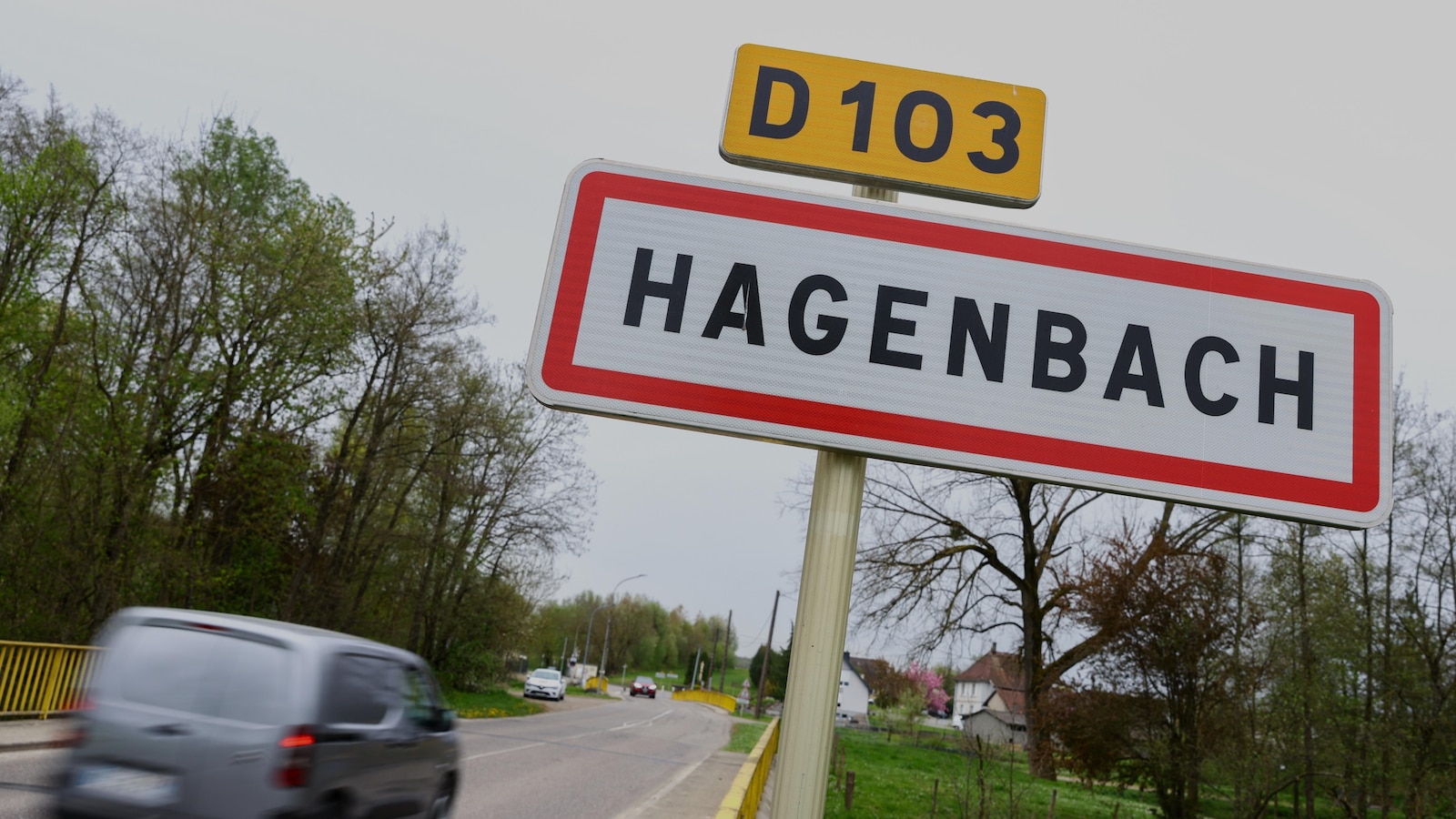
In a heartbreaking case that has sent shockwaves through a quiet corner of eastern France, a 9-year-old boy was discovered living in unimaginable conditions inside his father’s utility van this week. The rescue took place in Hagenbach, a small village nestled near France’s borders with Switzerland and Germany, where residents could never have imagined the horror unfolding in their midst. According to local prosecutor Nicolas Heitz, police were called to the scene on Monday after a vigilant neighbor reported hearing what sounded like a child’s voice coming from a parked van. What officers found when they forced open the vehicle was a scene that defied belief: a young boy lying naked in a fetal position, covered only by a thin blanket, surrounded by piles of garbage and human waste. The child was severely malnourished, his body so weakened from prolonged confinement that he could no longer walk—his legs had essentially forgotten how to function after months of being forced into a seated position in the cramped space.
The discovery has raised profound questions about how such a situation could persist undetected in a modern European community, and what failures in social systems allowed a vulnerable child to simply vanish from sight. The boy, whose identity authorities have withheld to protect his privacy, had been missing from normal life since November 2024—more than three months during which he existed in conditions that can only be described as torture. The immediate response was to rush the child to a hospital where medical professionals could begin addressing not only his physical deterioration but also the psychological trauma that will undoubtedly require years of careful treatment. Meanwhile, his father was taken into custody, facing serious criminal charges that could result in substantial prison time.
A Father’s Twisted Logic and a Disturbing Explanation
When investigators questioned the father about why his son had been living in such deplorable conditions, his explanation revealed a deeply dysfunctional family situation that had spiraled completely out of control. According to prosecutor Heitz, the father claimed he had placed his then-7-year-old son in the van back in November 2024 because he believed he was “protecting” the child. His reasoning? His romantic partner allegedly wanted to have the boy committed to a psychiatric hospital, and the father apparently believed that imprisoning his son in a vehicle was somehow a better alternative. This justification is not only legally indefensible but reveals a staggering lack of judgment and basic parenting instincts that should have led him to seek proper help through legitimate channels—social services, family counseling, or legal advice.
What makes this explanation even more disturbing is that investigators found absolutely no evidence supporting any need for psychiatric intervention. Prosecutor Heitz was clear on this point: there were no medical records indicating the boy had any psychiatric problems whatsoever before his disappearance. In fact, all available evidence painted the picture of a normal, healthy child who was doing well in his everyday life. School records showed that the boy had been earning good grades and functioning appropriately in an educational setting—hardly the profile of a child requiring institutional psychiatric care. This raises serious questions about the father’s actual motivations and whether his explanation was simply a convenient excuse to justify inexcusable actions, or whether he genuinely held such distorted beliefs about what was best for his son.
Adding another layer of complexity to this tragic situation, the boy himself told investigators that he had experienced “big difficulties” with his father’s partner and believed his father “had no choice” but to lock him away. This statement suggests the child may have internalized blame for his own imprisonment or been manipulated into accepting this horrific situation as somehow normal or necessary. Such psychological adaptation to abuse is not uncommon in child victims who depend entirely on their abusers for survival. The boy also revealed he had not showered since 2024, a detail that underscores the complete deprivation he endured and the utter disregard his father showed for even his most basic human needs.
Criminal Charges and the Question of Complicity
In the aftermath of the rescue, the legal system moved swiftly to hold those responsible accountable, though many questions remain about who knew what and when. The father now faces preliminary charges of kidnapping along with additional related offenses, and he has been remanded in custody while the investigation continues. His detention reflects the seriousness of the allegations and likely the court’s assessment that he poses either a flight risk or a continued danger. The charges he faces carry substantial penalties under French law, potentially resulting in years or even decades of imprisonment if convicted. Kidnapping charges, particularly when involving one’s own child and such extreme conditions of confinement, are treated with utmost severity by the French justice system.
The father’s partner finds herself in a legally complicated position. She has told investigators that she had no knowledge the boy was being held in the van, claiming complete ignorance of his whereabouts during those months. However, prosecutors clearly found this claim questionable given the circumstances, as she has been charged with failure to help a minor in danger—a serious offense under French law that recognizes a legal duty to assist vulnerable people, particularly children, when one is aware of their peril. Unlike the father, she has been released under judicial supervision, which typically involves restrictions on movement, regular check-ins with authorities, and possibly prohibitions on contacting certain individuals. Her release, rather than detention, suggests prosecutors may believe her level of involvement was less direct than the father’s, though they clearly suspect she knew more than she claims or should have taken action she failed to take.
The investigation has now expanded beyond these two adults to examine whether others in the family’s circle were aware of what was happening. Authorities are looking into the possibility that friends, extended family members, or acquaintances may have known about the boy’s imprisonment but failed to report it to authorities. According to the prosecutor’s office, when investigators interviewed people who knew the family, they were told various stories: some friends and relatives claimed they believed the boy had been placed in a psychiatric institution, while the child’s teachers were apparently informed he had transferred to a different school. These fabricated explanations allowed the father to maintain a veneer of normalcy while his son suffered in isolation just outside. The investigation will determine whether anyone who heard these stories had reason to doubt them or had information that should have prompted them to contact authorities.
The Broader Impact on Other Children in the Household
This case has had rippling effects on other children connected to the family, who now find themselves removed from the only home they’ve known and placed into the care of strangers. The boy’s 12-year-old sister and the 10-year-old daughter of his father’s partner—both of whom lived in the same household where the abuse was occurring—have been taken into protective custody by social services. For these children, the trauma is multifaceted: they’ve lost their home and family structure, they must process the horrifying realization of what was happening to their brother or housemate, and they likely face their own psychological challenges from growing up in such a deeply dysfunctional environment.
The decision to remove these children from the home, while undoubtedly necessary for their safety, represents another tragic dimension of this case. Child welfare authorities must now determine what these girls knew, what they witnessed, and how the toxic family dynamics affected their development and well-being. Did they know their brother was living in the van? Were they told he had gone away to an institution? Were they threatened or manipulated into silence? These questions will be crucial not only for the criminal investigation but for determining what therapeutic interventions these children need to recover from their experiences. The 12-year-old sister, in particular, was old enough to potentially have understood what was happening, and she may carry guilt or confusion about her inability to help her younger brother—feelings that will require sensitive professional support to address.
A Community in Shock and Disbelief
The small village of Hagenbach, like many rural communities in this border region of France, is the kind of place where neighbors generally know each other and unusual activities tend to be noticed. That’s what makes this case so particularly disturbing to local residents—the realization that such extreme child abuse was occurring in plain sight, with a child imprisoned in a van that was presumably parked in a visible location, and yet no one suspected the truth until that one neighbor heard sounds that prompted them to call police. When contacted by the Associated Press, residents expressed profound shock over what had happened in their community, though most were reluctant to discuss details, perhaps still processing their disbelief or concerned about privacy in such a small village where everyone knows everyone.
This case raises uncomfortable questions about community responsibility and the signs of child abuse that may go unnoticed or unreported. The neighbor who finally called police demonstrated the kind of vigilance and willingness to act that potentially saved this child’s life, but one wonders whether there were earlier opportunities for intervention that were missed. Were there other signs that something was wrong—a child who suddenly disappeared from sight, a family’s evasive answers to questions about their son’s whereabouts, unusual activity around the van? In hindsight, there may have been red flags that simply weren’t recognized as such because the truth was too horrific to imagine. This tragedy may serve as a painful reminder to communities everywhere about the importance of questioning explanations that seem off, trusting one’s instincts when something feels wrong, and not hesitating to contact authorities when children’s welfare might be at stake. The alternative—as this case so heartbreakingly demonstrates—can be a child suffering in unimaginable conditions while life goes on normally just feet away.