
Critical Security Gaps at America’s Airports: An Oversight Breakdown
TSA Screening Vulnerabilities Discovered but Left Unaddressed
A troubling situation has emerged within America’s airport security system that raises serious questions about how our nation protects travelers. According to internal documents reviewed by CBS News and shared with House Homeland Security Committee staff, the Department of Homeland Security’s own watchdog discovered significant weaknesses in TSA screening procedures at airports across the country. What makes this revelation particularly concerning isn’t just the discovery of these vulnerabilities—it’s that five months have passed since the report was issued, and the TSA has yet to provide any formal response about how they plan to fix these problems. This bureaucratic breakdown has occurred against the backdrop of a government funding crisis that has left TSA agents working without paychecks for 40 days, creating a perfect storm of security concerns and workforce instability at a time when vigilance is most needed.
The discovery of these security gaps came through what insiders call “red team” testing—essentially a real-world examination where trained investigators pose as regular passengers and attempt to smuggle simulated weapons or explosives past security checkpoints. These aren’t theoretical exercises conducted in laboratories; they’re actual attempts to breach security at functioning airports, providing the most realistic assessment possible of how well our defenses work against determined adversaries. The results were apparently alarming enough that investigators raised serious red flags about current TSA screening procedures. One particular concern centered on a policy change implemented in 2025 that allowed passengers to keep their shoes on during screening—a change welcomed by travelers tired of the post-9/11 routine of removing footwear. However, investigators now question whether this passenger-friendly policy may have been implemented before the screening technology was sufficiently advanced to detect threats hidden in shoes, potentially creating a vulnerability that could be exploited by those with malicious intent.
A Contradiction in Testimony and a Report Too Secret to Fix
The situation took a more problematic turn when statements made under oath appeared to contradict the reality documented in internal communications. Former DHS Secretary Kristi Noem had previously testified before lawmakers that “all of the recommendations” from the inspector general’s report had already been put into action—a reassuring statement that suggested the identified problems were being actively addressed. However, Inspector General Joseph Cuffari painted a very different picture in a March 4 memo to TSA leadership. According to Cuffari, his office has received absolutely no evidence—neither written documentation nor even verbal confirmation—to support Secretary Noem’s claim that the recommendations were implemented. This discrepancy raises uncomfortable questions about either a breakdown in communication within the department or, more troublingly, testimony that didn’t accurately reflect the state of affairs.
Perhaps even more bizarre than the lack of response is the reason behind it: the agency responsible for fixing the problems wasn’t allowed to see the full report detailing what those problems were. In what can only be described as a bureaucratic catch-22, key findings from the TSA red team testing were classified at the Top Secret level with extraordinarily restrictive distribution limits. According to correspondence from Inspector General Cuffari, access to these critical findings was limited to just 13 people across the entire federal government—a list that included three members of Congress, two inspector general employees, seven DHS employees, and one person in the Executive Office of the President. The distribution list was personally designated by the DHS secretary herself, and any further sharing of the information required her written permission. Remarkably absent from this exclusive list were the very people who would need to implement any fixes: TSA leadership. For over five months, the agency tasked with securing America’s airports has been locked out of seeing the detailed findings about vulnerabilities in their own security procedures.
When Oversight Becomes an Obstacle
This situation represents a fundamental breakdown in how government oversight is supposed to function. The entire purpose of inspector general audits is to identify problems so the responsible agencies can correct them, creating a cycle of continuous improvement in government operations. Instead, what emerged here was the opposite of effective oversight: auditors identified serious security vulnerabilities, but then the very agency responsible for addressing those vulnerabilities was prevented from accessing the information needed to develop solutions. Inspector General Cuffari made repeated requests to DHS leadership to lift or modify these access restrictions so his office could work directly with TSA to address the identified problems. According to the correspondence obtained by CBS News, those requests were simply ignored—no response was provided, no explanation given, and no accommodation made.
The restrictions also had a ripple effect on congressional oversight. Because of these same Top Secret limitations, the inspector general’s office found itself unable to discuss the substance of the audit with most members of Congress, even those serving on committees directly responsible for homeland security oversight. Federal law and DHS policy require agencies to issue what’s called a “management decision” within 90 days of receiving an audit report—a formal document outlining whether the agency agrees with the findings and detailing what corrective actions will be taken. According to the internal documents, this fundamental step in the oversight process hasn’t even begun at TSA, despite the report being issued on November 1, 2025. In his March 4 memo to Ha Nguyen McNeill, the senior TSA official serving as acting administrator, Cuffari directly stated that his office has received no information whatsoever from either DHS or TSA about actions taken on the recommendations, “despite our requests to the Secretary and you for that information.”
A Security Agency Under Unprecedented Strain
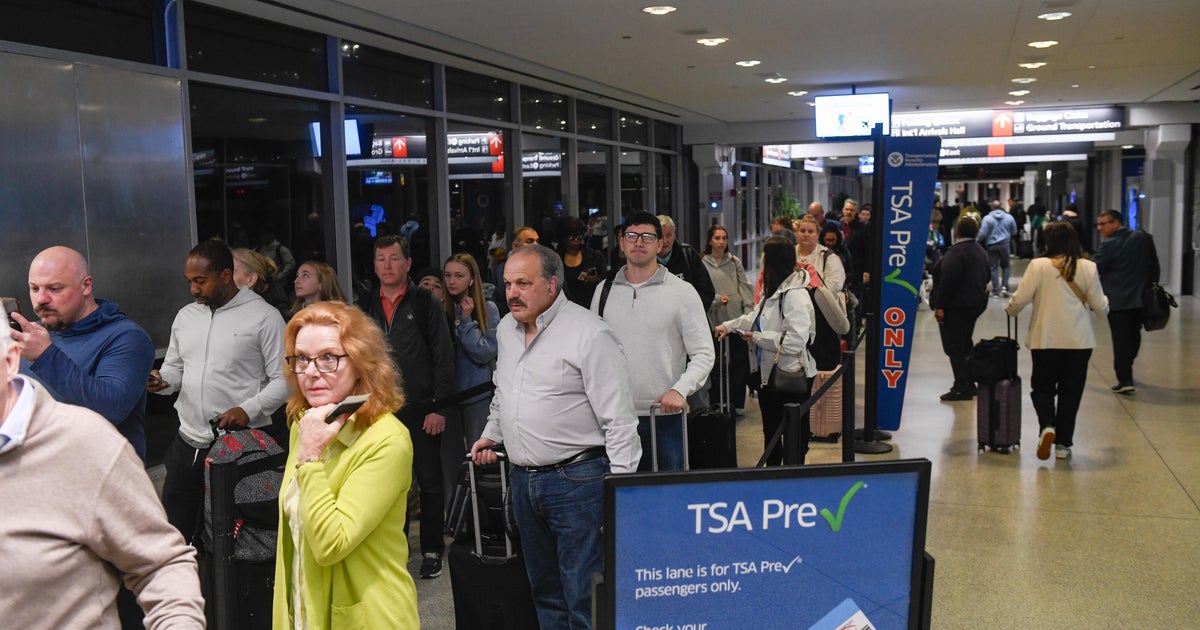
The failure to address these identified vulnerabilities comes at a particularly precarious time for the TSA. The agency is experiencing significant workforce challenges as the DHS funding lapse stretches into its sixth week. More than 450 TSA officers have left their positions since the latest funding crisis began, according to agency officials—a substantial loss of experienced personnel who understand both the procedures and the subtle signs that might indicate a security threat. Those who remain are working without pay, and the strain is showing: callouts among frontline screeners have climbed into double digits, meaning more positions going unstaffed during shifts that were already stretched thin. The practical impact of these staffing shortages is visible to anyone passing through an airport—longer security lines, thinner staffing at checkpoints, and more inconsistent screening operations as supervisors scramble to cover gaps in coverage.
These operational challenges don’t exist in a vacuum—they amplify the potential consequences of any security vulnerabilities that remain unaddressed. When screeners are overworked, underpaid, and uncertain about their employment situation, their ability to maintain the focus and attention to detail required for effective security screening inevitably suffers. When checkpoints are understaffed, the pressure to move lines quickly can subtly shift priorities away from thoroughness. When experienced officers leave and aren’t replaced, institutional knowledge about threat indicators and screening techniques walks out the door with them. Against this backdrop, the failure to formally process and respond to identified security gaps raises fundamental questions about whether our airport security system can withstand both political pressure and operational stress simultaneously, or whether we’re witnessing the slow degradation of defenses that most Americans take for granted every time they board a flight.
Congressional Oversight Steps In
The House Committee on Homeland Security, which is specifically charged with overseeing DHS operations and has the legal authority to compel testimony and documents from agency officials, now finds itself confronting a situation where a fundamental accountability mechanism appears to have completely stalled. The committee has access to the correspondence and internal communications that document this five-month gap between identifying security problems and taking any formal steps to address them. This paper trail, shared with committee staff and reviewed by CBS News, illustrates repeated attempts by the inspector general’s office to close a communication gap with national security implications. Letters were sent in December, then again in February, and yet again in March, each time requesting the most basic form of compliance: a written response to the audit findings, supporting documentation showing what actions had been taken, or any indication whatsoever that the recommendations were being addressed. None of these letters produced the required response.
The timing of these revelations is particularly significant because TSA’s acting administrator is scheduled to testify before lawmakers in a hearing focused on the DHS shutdown and its impacts on airport security. Meanwhile, the department has new leadership—Secretary Markwayne Mullin was just sworn in on Tuesday—which may signal a different approach to working with congressional staff and lawmakers who are seeking answers not just about what the TSA audit discovered, but about the more puzzling question of why key findings were classified as Top Secret with access limited to just 13 officials, none of whom worked for the agency that would need to implement any fixes. This hearing represents an opportunity for lawmakers to demand answers about how this situation was allowed to develop, why standard oversight procedures were circumvented, and what concrete steps are being taken right now to address the security vulnerabilities that were identified months ago. For the traveling public, the outcome of this congressional inquiry may determine whether the security screening they pass through on their way to their next flight is as effective as they’ve been led to believe, or whether unaddressed vulnerabilities remain that could be exploited by those who wish to do harm.