


Violence and Fear in Mexico’s Mining Region: The Sinaloa Cartel War’s Human Cost
Ghost Towns in the Shadow of the Sierra Madre
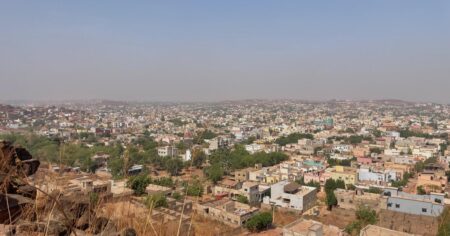
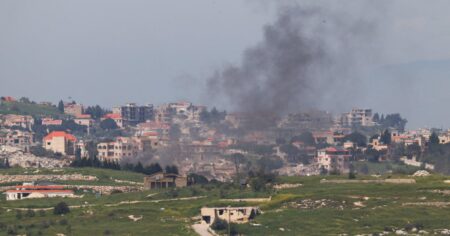
The winding mountain roads above Mazatlan, once bustling with life and commerce, now stand eerily silent. In these coastal mountains of Sinaloa, Mexico, entire communities have been hollowed out by fear, with only the occasional rumble of a passing truck breaking the oppressive quiet. The towns dotting this spectacular landscape, where the Sierra Madre mountains meet the Pacific Ocean, tell a story of displacement and terror that has intensified since late 2024. At the heart of this crisis lies an internal war within the powerful Sinaloa Cartel, a conflict that has transformed productive communities into ghost towns and created a humanitarian disaster largely hidden from the international spotlight.
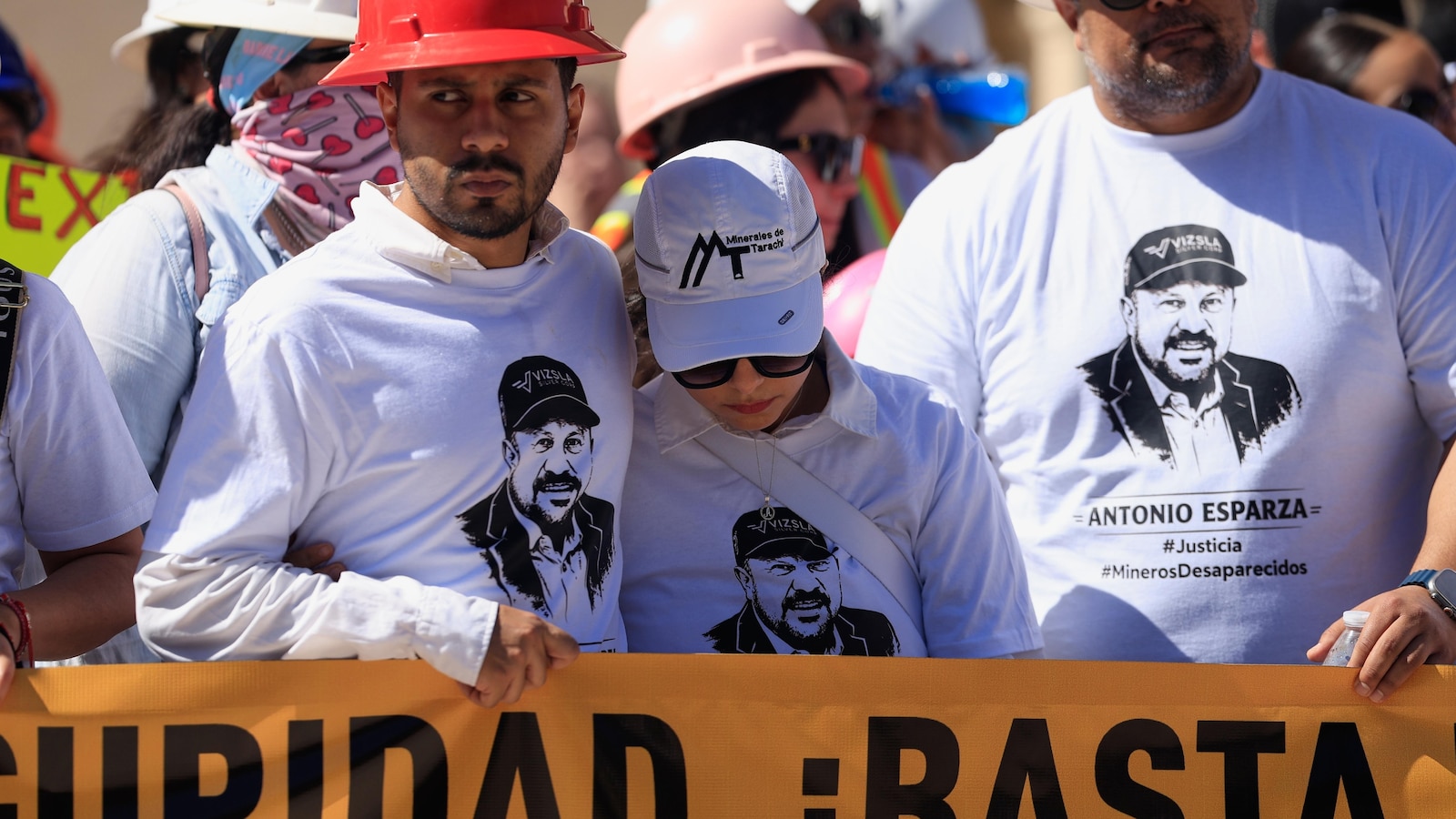
The situation reached international attention in late January when ten employees of a Canadian-owned silver and gold mining operation were abducted near the town of Panuco. The aftermath was heartbreaking—five bodies were discovered in clandestine graves nearby, while five more remained unidentified, leaving families in anguished limbo. Fermín Labrador, a 68-year-old resident of the village of Chirimoyos, explained the exodus that has emptied these once-vibrant communities. Most people fled voluntarily, terrified by the escalating violence between two warring factions of the Sinaloa Cartel that have battled for control since September 2024. But others, Labrador grimly noted, were “invited” to leave—a chilling euphemism that speaks to forced displacement at gunpoint. The violence that began with an internal cartel power struggle has metastasized into a full-scale humanitarian crisis, with ordinary citizens caught in the crossfire of a war they never asked for and cannot escape.
Presidential Promises Meet Brutal Reality
President Claudia Sheinbaum took office in October 2024 with promises to tackle Mexico’s security crisis head-on. She made Sinaloa a proving ground for her tougher approach to drug cartels, deploying resources and making high-profile arrests. In a show of force meant to satisfy both domestic concerns and international pressure, she sent 10,000 National Guard troops to the northern border, attempting to curb the fentanyl trafficking that flows primarily from Sinaloa into the United States. This deployment was partly designed to forestall threatened tariffs from the U.S. government over the cartel’s role in America’s opioid epidemic. In January, Sheinbaum pointed to declining homicide rates as proof that her security strategy was yielding results, painting a picture of a government gaining the upper hand against organized crime.
However, the abduction and murder of the mine workers has exposed the gap between official narratives and ground-level reality. Security analyst David Saucedo argued that incidents like this “demolish the federal government’s narrative that insists that little by little they are getting control of the situation.” According to Saucedo, Sheinbaum’s administration has attempted to “manage the conflict” rather than resolve it, while the Sinaloa Cartel’s internal war has spread throughout the state, forcing residents “to take a side with one of the two groups.” The tragedy at the mine represents not just a failure of security, but a fundamental challenge to the government’s claims of progress. When a Canadian mining operation with presumably robust security measures can have ten workers abducted and murdered, it raises serious questions about what protection ordinary Mexican citizens can expect. The incident has generated concern both locally and internationally about whether genuine security improvements are being made or whether the government is simply managing public perception while violence continues unabated in rural areas far from media scrutiny.
The Cartel War’s Origins and Escalation
The current violence traces back to a dramatic event in 2024 that shattered the Sinaloa Cartel’s power structure. Ismael “El Mayo” Zambada, one of the organization’s most powerful leaders, was abducted by Joaquín “El Chapo” Guzmán’s son and handed over to U.S. authorities. This betrayal fractured the cartel into warring factions—one loyal to Zambada and another controlled by Guzmán’s sons, known as “los Chapitos.” What began as a power struggle between criminal elites quickly descended into a brutal war that has consumed entire regions of Sinaloa state. Initially, residents of the state capital, Culiacán, found themselves in the crossfire of shootouts and assassinations. But the conflict didn’t remain confined to urban areas; it metastasized throughout the state, reaching into remote mountain communities that had previously existed on the margins of cartel activity.
The pressure on President Sheinbaum intensified when U.S. President Donald Trump designated the Sinaloa Cartel and other Mexican drug trafficking organizations as foreign terrorist organizations. This designation dramatically raised the stakes, essentially demanding that the Mexican government treat these groups with the same severity reserved for international terrorist networks. The political pressure from Washington, combined with domestic concerns about spiraling violence, forced Sheinbaum’s hand. Security Secretary Omar García Harfuch personally came to the region to coordinate the search for the missing mine workers, leading to several arrests and the eventual discovery of clandestine graves. According to García Harfuch, the suspects belonged to the “los Chapitos” faction and had apparently mistaken the mine workers for members of the rival faction—a case of deadly mistaken identity that has never been adequately explained, especially since the workers were reportedly taken directly from the mine site where their employment should have been obvious.
Mining Operations in a War Zone
The Vizsla Silver Corp., the Vancouver-based company that owns the mine, had already recognized the deteriorating security situation months before the abductions. In April of the previous year, the company announced it was halting operations due to security concerns in the area, though this pause lasted only about a month before operations resumed. This decision to restart work despite known dangers now appears tragically misguided. The relationship between mining operations and organized crime in Mexico is complex and long-standing. Mines, along with avocado groves, fuel pipelines, and other profitable enterprises, have historically attracted cartel attention as sources of extortion payments or opportunities to steal valuable extracted materials. Security analyst David Saucedo, who has researched similar cases in the states of Guanajuato and Sonora, has documented instances where mining companies have actually leveraged relationships with armed groups to suppress local opposition to their operations—a morally compromised arrangement that can quickly turn deadly when cartel alliances shift.
The Mexican government has stated it has no reports of Vizsla being extorted by cartels, though many observers find this claim difficult to believe given the pervasiveness of cartel influence in the region. President Sheinbaum announced her administration would meet with all mining companies operating in Mexico “to offer the support they require,” though what meaningful protection the government can provide remains unclear given its struggles to secure even major population centers. Vizsla has not responded to media inquiries beyond official statements expressing that their focus remains on locating the remaining workers and supporting affected families. The company’s silence on security arrangements and what warnings, if any, employees received about the dangers speaks to the impossible position businesses find themselves in when operating in cartel-controlled territories. For the families of the victims, corporate statements and government promises offer little comfort as they wait for news about their loved ones and wonder whether anyone will ultimately be held accountable.
Communities Caught Between Violence and Abandonment
In El Verde, a community in the foothills between the ocean and the mountains, Marisela Carrizales stood vigil beside banners bearing photographs of missing people. A police car blocked the road leading to where clandestine graves had been discovered, and an unnatural silence blanketed the surrounding area. Carrizales belongs to one of Mexico’s many search collectives—grassroots organizations formed by families of the disappeared who have lost faith in official investigations and taken the search for their loved ones into their own hands. She has been searching for her son Alejandro for five and a half years, and came to El Verde with more than twenty others to monitor the authorities’ work and demand they search additional locations. “We have information that there are a lot more graves here… we have to come to look for them,” she explained, her words reflecting both determination and the exhausting, endless grief of not knowing.
The discovery of graves in early February revealed the horrifying scale of violence in the region. Authorities found ten bodies in one location, five identified as the missing mine workers. But the Sinaloa state prosecutor’s office also reported finding additional human remains in four other grave sites around the community, suggesting many more victims whose disappearances may never have been officially reported. The missing aren’t limited to mine workers or cartel members. In Mazatlan itself, a Mexican tourist was taken from a bar in October. A businessman disappeared in January. In February, six Mexican tourists were abducted from an upscale part of the resort city; a woman and girl from this group were later found alive outside the city, but the men with them remain missing. While the government has increased security in Mazatlan ahead of carnival celebrations—protecting the tourism revenue the resort depends on—the mountain communities remain largely abandoned by the state. Roque Vargas, a human rights activist working with people displaced by violence, noted that teachers, doctors, and even bus services have stopped coming to many communities out of fear. The increased military presence following the mine workers’ abduction has “scattered the organized crime guys,” Vargas acknowledged, but he worries they will return once attention shifts elsewhere. Residents also fear being mistaken for cartel members and attacked by security forces—a concern based on actual incidents elsewhere in Sinaloa where nervous troops have fired on civilians.
Daily Life in the Ruins of Community
The human cost of this security collapse manifests in countless small indignities and hardships that compound into an unbearable existence. Fermín Labrador’s daily reality illustrates how violence destroys not just lives but the entire fabric of community life. To reach his job at a highway toll booth, Labrador must borrow a friend’s motorcycle when he’s fortunate. When he can’t secure the bike, he walks more than five miles through mountain terrain—a dangerous journey made necessary because the person who operated local public transportation disappeared in December. No one knows if this person fled, was killed, or was forcibly recruited by one of the cartel factions. His absence simply became another fact of life, another service that vanished, another thread pulled from the community’s unraveling tapestry.
The situation in these Sinaloa mountain towns represents a pattern repeated across rural Mexico, where state capacity effectively ends at the outskirts of major cities. These communities exist in a terrible limbo—not important enough for sustained government protection, but strategically valuable enough for cartels to fight over. Residents who remain face impossible choices: flee and lose everything they’ve built, or stay and risk being killed, forcibly recruited, or displaced anyway. The exodus has created a vicious cycle where departing residents take with them essential skills and services, making communities less viable and therefore more likely to be fully abandoned. Schools close when teachers won’t come. Medical emergencies become death sentences when doctors and ambulances won’t enter the area. Economic activity collapses when businesses can’t operate and workers can’t safely travel. What emerges is not merely a security problem but the complete dissolution of civil society, leaving behind hollowed-out towns where the only remaining authority comes from whichever armed group currently controls the territory. For those who remain, whether by choice or lack of options, daily existence becomes a matter of survival rather than living, of enduring rather than thriving, in communities that increasingly resemble the clandestine graves being discovered in the surrounding hills—silent testimonies to lives violently interrupted and futures stolen.