
Pakistan’s High-Stakes Diplomatic Push to Prevent U.S.-Iran War
A Nation Steps Into the Spotlight as Peacemaker
Pakistan finds itself at the center of one of the most critical diplomatic efforts of our time, working tirelessly to bridge the chasm between the United States and Iran before their fragile ceasefire collapses. A senior government official speaking with CBS News revealed that Islamabad has dramatically ramped up its efforts to keep both Washington and Tehran talking, even as this past weekend’s marathon negotiations failed to produce the breakthrough everyone was hoping for. Despite the disappointment, Pakistani authorities aren’t throwing in the towel—they remain cautiously hopeful that the conversation can continue and that both nations can find common ground before it’s too late.
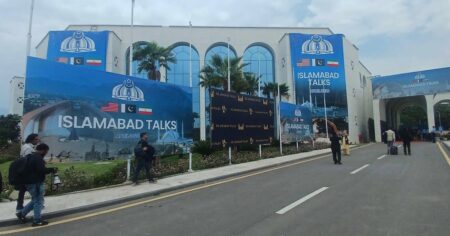
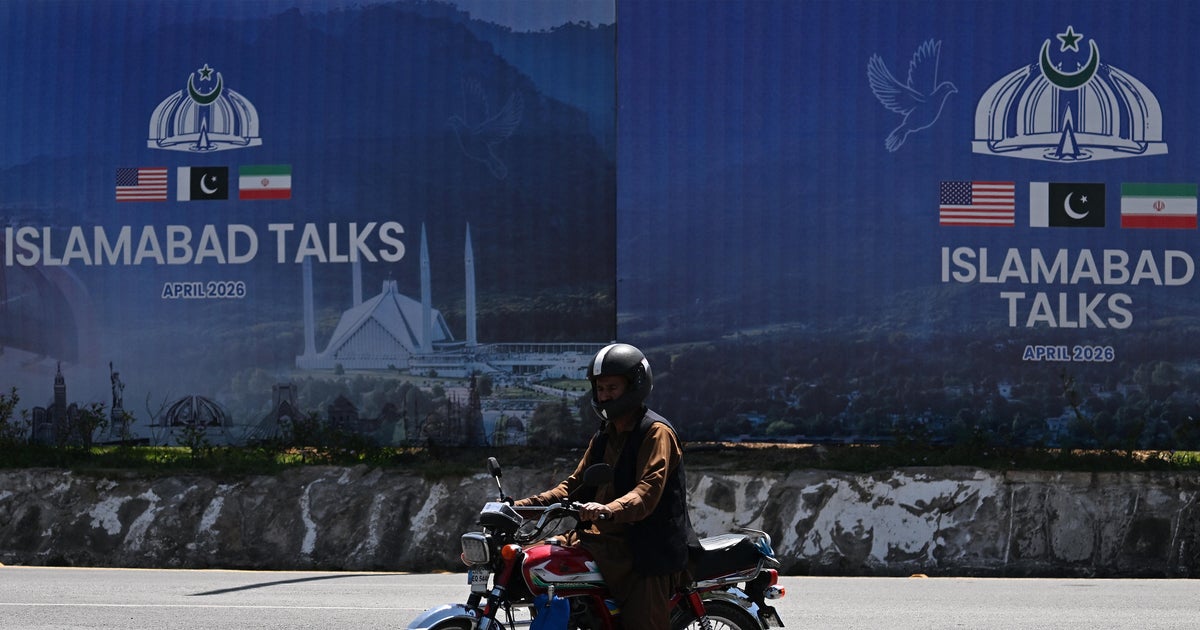
What’s particularly interesting is how Pakistan is subtly shifting the narrative around these talks. Rather than calling them simply the “Islamabad Talks”—which sounds like a single event—officials are now using the term “Islamabad Process.” This isn’t just semantic wordplay; it’s a strategic rebranding effort designed to signal that this isn’t a one-and-done meeting but rather an ongoing diplomatic channel. By framing it as a process, Pakistan is essentially planting a flag, positioning itself as the sustained mediator in this high-stakes standoff. For a country that has often found itself on the sidelines of major international negotiations, this represents a significant diplomatic ambition—Pakistan wants to be seen not just as a participant in global affairs but as a crucial facilitator capable of preventing catastrophic conflict.
Racing Against the Clock
The urgency of Pakistan’s efforts cannot be overstated. According to the senior source who spoke with CBS News, Pakistani officials are currently in active communication with both American and Iranian counterparts, pressing them to come back to the negotiating table as quickly as possible. The reason for this intense pressure is simple and terrifying: the current ceasefire between the two nations is set to expire around April 22, and if no agreement is reached before that deadline, the region—and possibly the world—could plunge back into all-out war. Pakistani diplomats are now working frantically to arrange a second round of talks within this extremely narrow window of opportunity, knowing that every day that passes without progress brings everyone closer to disaster.
The talks that took place over the weekend were no brief affair—they stretched for an exhausting 21 hours, with negotiators from both sides engaging in what must have been intense, difficult conversations. While these marathon discussions ultimately ended without a concrete breakthrough, the fact that both parties stayed at the table for nearly a full day suggests that there may be more willingness to engage than the lack of immediate results would indicate. Pakistan’s role in facilitating these discussions has been hands-on and high-level, with both Prime Minister Shehbaz Sharif and Army Chief Field Marshal Asim Munir personally involved in bringing the Americans and Iranians together. Both leaders made appearances at various points throughout the lengthy negotiating session, underscoring just how seriously Pakistan is taking its role as mediator.
A Diplomatic Gamble With High Rewards
For Pakistan, successfully mediating peace between the United States and Iran would be nothing short of a diplomatic triumph. This nuclear-armed nation of 250 million people has been actively working to rebrand its international image, seeking to attract foreign investment and stabilize an economy that has been struggling for years. Being the nation that prevented a potentially devastating war between two major powers would dramatically elevate Pakistan’s standing on the world stage and demonstrate that it can play a constructive, stabilizing role in international affairs. It’s the kind of diplomatic coup that could fundamentally change how the world views Pakistan—from a country often associated with regional instability to one capable of solving some of the world’s most intractable conflicts.
The economic dimensions of this effort cannot be ignored. Pakistan has been working hard to present itself as a stable, attractive destination for international business and investment. Years of economic challenges, political turbulence, and security concerns have kept many investors at arm’s length. Successfully mediating these talks would send a powerful message: Pakistan is a serious player with the diplomatic sophistication and political stability to handle complex international negotiations. It would be the kind of confidence-building achievement that could open doors that have long been closed, potentially bringing in the investment and international partnerships that Pakistan desperately needs to revitalize its economy.
The Fragile Nature of Peace
The situation remains extraordinarily delicate. While the ceasefire currently holds, providing Pakistan with at least some breathing room to work its diplomatic magic, the threats from both sides suggest that this peace could shatter at any moment. The United States has made threats regarding a potential blockade of the Strait of Hormuz—one of the world’s most critical oil shipping lanes—while Iran has promised swift retaliation to any such move. These aren’t empty words or diplomatic posturing; they represent real military options that both nations have on the table. Pakistani officials are acutely aware that the time they have to facilitate a lasting agreement might be measured in hours rather than days, adding enormous pressure to their mediation efforts.
This razor-thin margin for diplomatic maneuvering means that Pakistan’s negotiators are working under extraordinary pressure. Every phone call, every message passed between Washington and Tehran, every subtle adjustment to proposed terms could be the difference between continued peace and a return to conflict. The Pakistani source told CBS News that Islamabad is currently waiting for responses from both the United States and Iran—a nerve-wracking period of diplomatic limbo where the mediator has done all it can for the moment and must simply wait to see if both parties are willing to take the next step. For the Pakistani officials involved, these must be agonizing hours, knowing that the success or failure of their efforts could have consequences that ripple far beyond their own borders.
The Broader Implications
What makes Pakistan’s mediation efforts particularly significant is what they represent for the changing landscape of international diplomacy. Traditionally, when major powers found themselves on the brink of conflict, it was often other major powers or established international organizations like the United Nations that stepped in to mediate. Pakistan’s prominent role in these talks suggests a more multipolar world where mid-sized powers with strategic relationships can play crucial mediating roles. Pakistan’s unique position—maintaining relationships with both the United States and countries in the region, including Iran—makes it one of the few nations with the credibility and channels of communication needed to facilitate such talks.
The shift from “Islamabad Talks” to “Islamabad Process” also hints at Pakistan’s longer-term ambitions. If this mediation effort succeeds, Pakistan could position itself as the go-to facilitator for future disputes in the region or between these specific parties. This would give Islamabad significant diplomatic leverage and influence far beyond what its economic or military power might otherwise provide. For a country that has sometimes struggled to define its role in the international system beyond regional security concerns, becoming a recognized peacemaker could provide a new and constructive identity on the world stage. It’s an opportunity to be known not just for its challenges but for its solutions, not just for its problems but for its contributions to global stability.
As the April 22 deadline approaches, the world watches Pakistan’s diplomatic efforts with a mixture of hope and anxiety. The coming days will reveal whether Islamabad can pull off what many would consider a diplomatic miracle—bringing two longtime adversaries back from the brink of war and establishing a framework for lasting peace. For Pakistan, the stakes couldn’t be higher, but neither could the potential rewards. In these tense, uncertain hours, a nation of 250 million people is working to prove that it belongs at the table where the world’s most pressing conflicts are resolved.