
Iran in Crisis: Understanding the Power Vacuum After Khamenei’s Death
A Nation Without Its Supreme Leader
Iran finds itself at a critical crossroads following the death of Supreme Leader Ayatollah Ali Khamenei in a massive military strike conducted jointly by the United States and Israel. The attack, which represents one of the most significant developments in Middle Eastern geopolitics in recent decades, killed not only Khamenei but also dozens of other high-ranking Iranian leaders. The loss has left the Islamic Republic scrambling to maintain stability while facing unprecedented internal and external pressures. In the immediate aftermath, President Masoud Pezeshkian announced the formation of an interim leadership council to govern the country during this tumultuous transition period. This council consists of three key figures: Pezeshkian himself, Judiciary Chief Gholam Hossein Mohseni Ejei, and Ayatollah Alireza Arafi, a member of the Guardian Council. These three individuals now shoulder the enormous responsibility of keeping Iran functioning while the nation’s religious and political establishment works to select Khamenei’s permanent successor. However, their authority remains limited and uncertain, particularly given the chaotic circumstances surrounding Khamenei’s death and the ongoing military conflict with Western powers.
The Complex Process of Choosing a New Leader
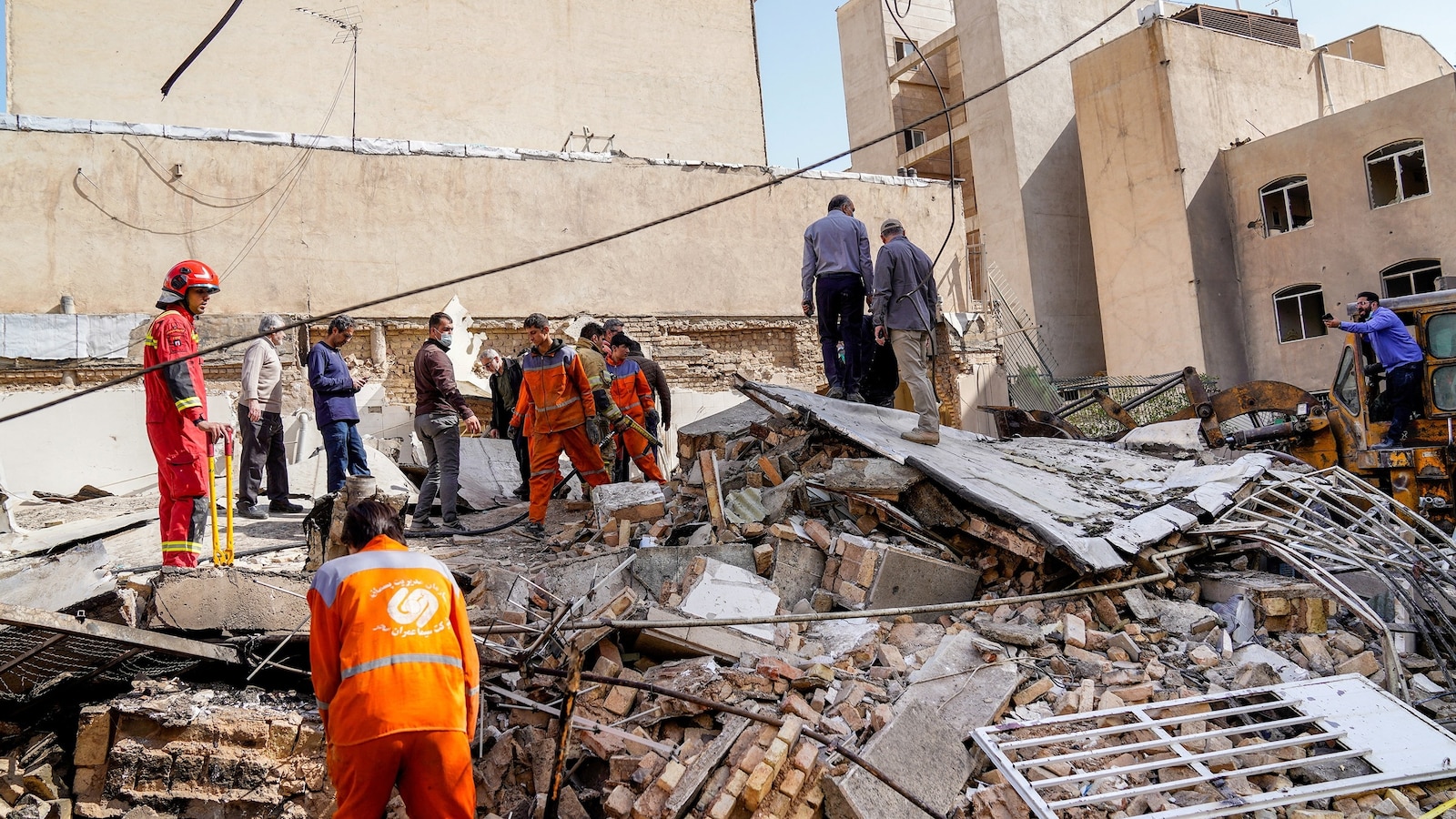
Under Iran’s unique constitutional framework, the responsibility for selecting a new supreme leader falls to the Assembly of Experts, a body of more than 80 Islamic scholars who undergo rigorous vetting by the Islamic Republic’s supervisory bodies before being elected to their positions. This assembly represents one of the most powerful institutions in Iranian governance, yet it typically operates behind the scenes, only stepping into the spotlight during moments of succession like the current crisis. The process of choosing a new supreme leader involves careful deliberation among these religious scholars, who must balance theological qualifications, political acumen, and the ability to command respect from various factions within Iran’s complex power structure. However, the timeline for this critical decision remains uncertain, particularly given the chaos currently engulfing the country. The situation became even more complicated when buildings housing the Assembly of Experts in both Qom and Tehran came under attack, as reported by the Tasnim News Agency. The Israeli ambassador to the United States confirmed the strike, stating that they had targeted “an area of a meeting to appoint a new supreme leader,” and suggesting that many of the electors might not be available for future meetings. This brazen attack on the assembly represents an extraordinary escalation, directly targeting the mechanism by which Iran’s next leader would be chosen and potentially prolonging the power vacuum at the worst possible time for the Islamic Republic.
Political Maneuvering and International Pressure
The challenge of selecting Khamenei’s replacement takes on additional complexity in light of President Donald Trump’s public calls for Iranians to rise up against their government and seize control of their own destiny. This direct appeal to the Iranian people represents a significant shift in American foreign policy rhetoric, moving beyond traditional calls for regime change to actively encouraging popular revolution. How any new supreme leader would navigate this external pressure while maintaining the Islamic Republic’s fundamental character remains deeply unclear. The situation is further complicated by Iran’s military response to the attacks, with the country retaliating by targeting American military installations across several Gulf countries. This tit-for-tat escalation creates a dangerous dynamic where the interim leadership must manage an active military conflict while simultaneously trying to establish legitimacy and authority. Foreign Minister Abbas Araghchi revealed the depth of the crisis in an interview with Al Jazeera, admitting that Iran’s military command structure had been severely disrupted. He described military units operating in an “independent and somewhat isolated” manner, following “general instructions given to them in advance” rather than receiving coordinated direction from civilian leadership. This admission of fragmented command reveals how deeply the attack has damaged Iran’s governance structures and raises serious questions about who actually controls the country’s formidable military apparatus during this transition period.
The Power Structure and Potential Successors
For decades, Iran’s political system has operated under a clear hierarchy, with the Supreme Leader wielding ultimate authority over all major decisions, particularly in foreign policy and military matters. Khamenei had held this position since 1989, giving him more than three decades to consolidate power and establish networks of loyal officials throughout the government and military. The Islamic Revolutionary Guard Corps, Iran’s most powerful military force, has historically answered only to the Supreme Leader, while presidents and other elected officials have had minimal influence over international policymaking. This power dynamic is unlikely to change fundamentally after Khamenei’s death, though the interim period may see unusual power struggles and uncertainty. According to Iran’s constitution, the Supreme Leader must possess both political skills and deep religious credentials, holding advanced Islamic training and typically carrying the title of “Ayatollah.” Both of Iran’s previous supreme leaders met these qualifications, establishing a precedent that the Assembly of Experts will likely follow when selecting Khamenei’s replacement. However, President Pezeshkian has claimed that he possesses “sufficient power and a special plan” to lead the country until the end of the current conflict, suggesting he may seek to expand presidential authority during this uncertain period. This claim raises questions about whether the traditional power structure will remain intact or whether the crisis might enable a shift toward greater presidential power.
Key Figures in the Succession Drama
Among the various figures being discussed as potential successors to Khamenei, Ali Larijani has attracted considerable international attention. Currently serving as secretary of Iran’s Supreme National Security Council, Larijani brings extensive experience across multiple domains of Iranian governance. He led Iran’s nuclear negotiating team from 2005 to 2007, navigating the complex international diplomacy surrounding Iran’s controversial nuclear program. He also served as speaker of parliament, giving him deep connections within Iran’s legislative branch. However, Larijani’s record includes involvement in the violent suppression of protesters, a fact that complicates his potential elevation to supreme leader at a time when Trump is calling for popular uprising. Another figure who had been widely discussed as a potential successor is Mojtaba Khamenei, the late Supreme Leader’s second son. Mojtaba wielded considerable influence over his father’s political decisions and played a role in suppressing anti-regime protests, making him a known quantity to the Islamic Republic’s security establishment. His status as Khamenei’s son could provide continuity and legitimacy in the eyes of regime loyalists, though it might also reinforce perceptions of the Islamic Republic as a quasi-monarchy rather than a religious government. The selection process will ultimately depend on the Assembly of Experts—or what remains of it after the recent attacks—and their assessment of who can best maintain the Islamic Republic’s power structure while navigating unprecedented external pressures.
The Human Cost and Uncertain Future
The current crisis unfolds against a backdrop of severe human rights concerns and popular discontent within Iran. According to the U.S.-based Human Rights Activists News Agency, the Iranian regime killed more than 7,000 people participating in anti-government protests in January alone, with over 11,000 additional deaths still under review. This staggering toll of violent suppression drew international condemnation and prompted Trump’s promises to support Iranian protesters seeking change. The scale of this violence reveals the depth of popular dissatisfaction with the Islamic Republic and raises questions about whether any new leader can maintain control without continuing such brutal repression. Despite the chaos and uncertainty, Ayatollah Ali Moalemi, a member of the Assembly of Experts, stated that “the election of a new leader will not take long,” according to the ISNA News Agency. This assurance suggests that Iran’s religious establishment recognizes the urgent need to fill the leadership vacuum before the situation deteriorates further. However, the compressed timeline also raises concerns about whether adequate deliberation can occur or whether the assembly will rush to appoint someone who may lack the authority or capability to navigate this unprecedented crisis. As Iran struggles to chart a path forward, the world watches anxiously, aware that the decisions made in Tehran over the coming days and weeks will have profound implications not only for Iran’s 85 million citizens but for regional stability and global security in an already volatile Middle East.