

Airport Chaos Deepens as Political Standoff Leaves TSA Workers Unpaid
Growing Crisis at America’s Airports
The nation’s airports are experiencing a mounting crisis as long security lines and frustrated travelers have become the norm, with no immediate end in sight. The situation reached a critical point when the Senate failed to advance a funding bill for the Department of Homeland Security on Friday, leaving thousands of Transportation Security Administration workers without paychecks for the second week. The consequences are being felt across the country, from major metropolitan hubs to smaller regional airports. Officials have issued stark warnings that some smaller facilities may be forced to shut down entirely due to severe staffing shortages, while passengers at larger airports are experiencing wait times stretching into multiple hours. The uncertainty has made air travel increasingly unpredictable, with travelers arriving at airports unsure whether they’ll make their flights even if they arrive early. The human cost is evident in every terminal, as frustrated passengers miss connections and overwhelmed TSA officers continue showing up to work despite not knowing when their next paycheck will arrive.
The Real Impact on Travelers and Workers
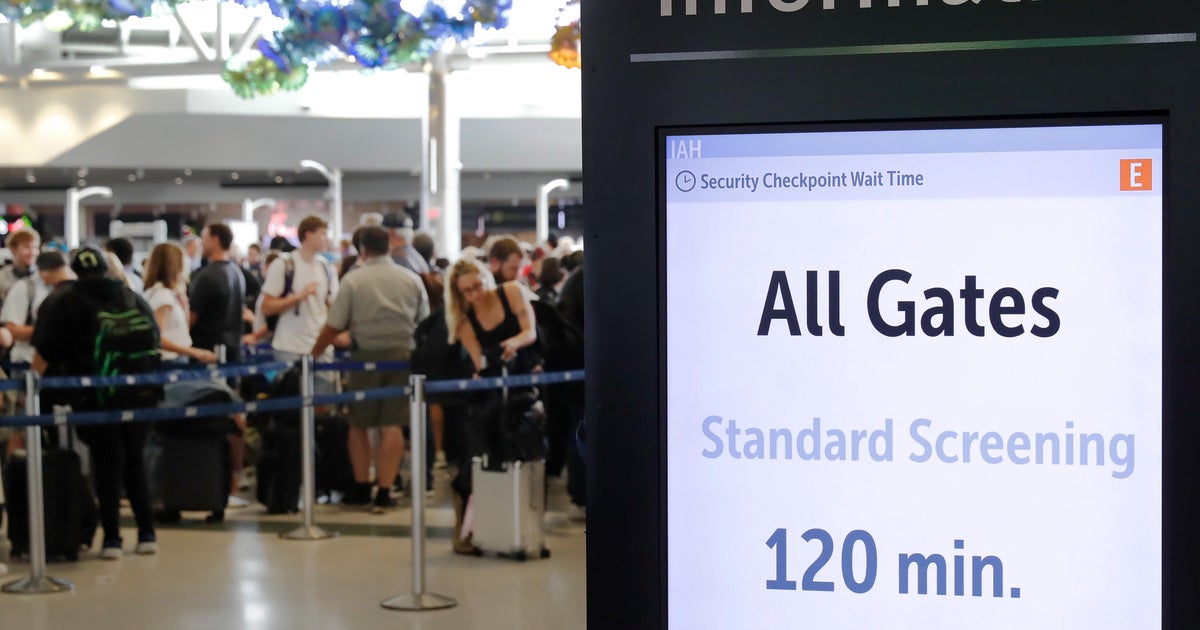
The numbers tell a sobering story about how bad conditions have become at some of America’s busiest airports. At George Bush Intercontinental Airport in Houston, wait times reached an alarming 120 minutes on Friday afternoon, while Atlanta’s Hartsfield-Jackson International Airport—the world’s busiest—reported 80-minute waits at its main checkpoint. Cities like Houston, Atlanta, and New Orleans have seen particularly severe delays, with many passengers reporting that they missed their flights despite arriving at recommended times. The situation has deteriorated rapidly since TSA officers missed their first full paycheck last weekend. Absence rates have climbed dramatically nationwide, with more than half of scheduled staff absent at one Houston airport on Sunday. At Atlanta’s massive international hub, 38% of officers didn’t show up for work on Wednesday, followed by 32% on Thursday. Since the Department of Homeland Security shutdown began, more than 300 TSA employees have left the agency entirely. Acting deputy TSA administrator Adam Stahl painted a heartbreaking picture of the situation: “Our people are hurting. We have individuals sleeping in their cars, drawing blood to afford to pay for gas to get to work.” Community organizations have stepped in to help where they can. Pittsburgh International Airport partnered with a local food bank to assist TSA agents and other affected federal workers, while a pop-up food bank in South Florida provided food to nearly 200 TSA workers and their families.
Political Gridlock Blocks Solutions
The path forward remains blocked by partisan disagreements in Washington. Senate Democratic leader Chuck Schumer announced plans to offer an alternative measure on Saturday that would fund only the Transportation Security Administration, allowing passenger screening to continue while broader negotiations continue. However, that proposal was also expected to fail as lawmakers convened for a rare weekend session. Democrats declined to provide the votes needed to advance the Republican-backed bill that would fund the entire Department of Homeland Security, arguing that they cannot support the measure without significant policy changes to immigration enforcement practices. The current impasse was triggered in part by the shooting deaths of Alex Pretti and Renee Good in Minneapolis, which intensified Democratic demands for reforms to how Immigration and Customs Enforcement operates. Senate Majority Leader John Thune, acknowledging the frustration felt by travelers and federal workers alike, said bluntly: “This is a pox on everybody’s house. You’ve got people standing in lines at the airports. This needs to be fixed.” Behind the scenes, White House border czar Tom Homan met with bipartisan groups of senators for two consecutive days in an attempt to find common ground. While Thune said he sees “deal space” emerging from these discussions, he also questioned whether Democrats were genuinely interested in any agreement that would provide more funding for ICE operations.
Competing Visions for Immigration Enforcement
The specific policy disagreements reveal deep divisions about how federal immigration enforcement should operate. Democrats are demanding several significant changes as conditions for approving the funding bill. These include requiring ICE agents to obtain warrants from judges before forcefully entering homes, mandating that agents wear clear identifying information on their uniforms, and prohibiting the use of masks during operations. These demands reflect broader concerns about accountability and oversight of federal law enforcement agencies. The Trump administration maintains it has already agreed to several meaningful reforms, including expanded use of body-worn cameras with exceptions only for undercover operations, and limiting civil enforcement activities at sensitive locations like hospitals, schools, and places of worship. Republicans point to President Trump’s decision to fire Homeland Security Secretary Kristi Noem and place Homan directly in charge of operations in Minneapolis as evidence of the administration’s commitment to addressing concerns about ICE’s practices. However, these gestures haven’t been sufficient to bridge the gap with Democrats, who view the proposed changes as inadequate given the seriousness of recent incidents and longstanding concerns about immigration enforcement tactics.
Unexpected Offers and Community Response
In a surprising development, billionaire entrepreneur Elon Musk took to social media Saturday morning to offer a potential lifeline to struggling TSA workers. “I would like to offer to pay the salaries of TSA personnel during this funding impasse that is negatively affecting the lives of so many Americans at airports throughout the country,” Musk wrote. The offer highlights the extraordinary nature of the current situation, where private citizens and organizations are stepping in to address gaps created by government dysfunction. The vast majority of TSA employees are classified as essential personnel, meaning they must continue working during the funding lapse even without pay—a requirement that seems increasingly untenable as the shutdown drags on. At airports across the country, travelers expressed frustration and concern about the situation. Corinne Gunter, speaking at Ronald Reagan Washington National Airport on Friday, captured the sentiment of many Americans: “Get it passed. Work together. Come together so that we can continue to pay our people and care for the folks who keep our nation running.” The bipartisan nature of public frustration suggests growing impatience with political leaders of both parties as the crisis continues without resolution.
An Uncertain Path Forward
As the impasse continues, lawmakers face increasing pressure to find a solution before an extended congressional break. The Senate is scheduled to begin a two-week Easter recess near the end of the month, but Majority Leader Thune has threatened to keep senators in Washington if the standoff remains unresolved. “I can’t see us taking a break if the government is still shut down,” Thune stated, acknowledging the political impossibility of lawmakers vacationing while airports remain in chaos and federal workers go without pay. Schumer framed the upcoming votes in stark terms, saying that Saturday’s session would show “which senators want to open up TSA, pay TSA workers, and end the chaos at our airports, and which senators are going to block TSA funding yet again.” This rhetorical framing reflects the high-stakes political battle playing out while real people suffer real consequences. The situation remains fluid, with negotiations continuing even as both sides dig in on their positions. For the thousands of TSA workers reporting to work without paychecks, and the millions of travelers navigating increasingly unpredictable airport conditions, the political maneuvering in Washington offers little comfort. What everyone wants—from airport security officers to business travelers to families heading on vacation—is simple: a functioning government that can fulfill its basic obligations, including keeping airports operating smoothly and paying federal workers for their service.