


Close Call at Newark: Two Commercial Jets Nearly Collide on Intersecting Runways
A Routine Evening That Almost Turned Tragic
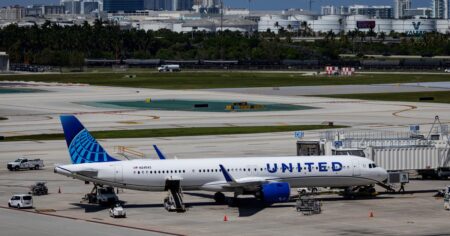
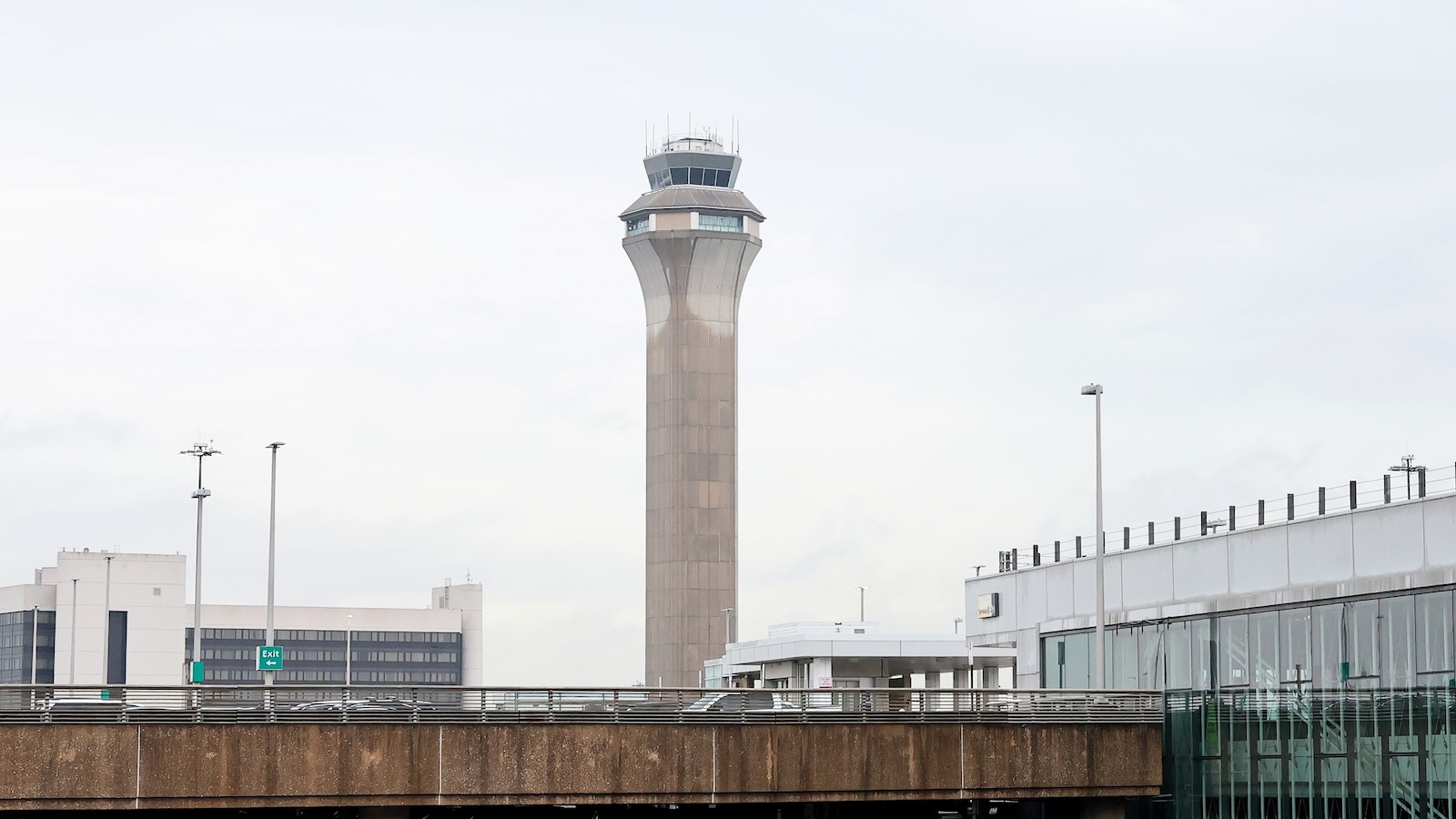
Tuesday evening started like any other at Newark Liberty International Airport in New Jersey, with planes arriving from destinations across the country. But around 8:17 p.m., what should have been two routine landings nearly became a catastrophic collision that could have resulted in one of aviation’s worst disasters. An Alaska Airlines Boeing 737, carrying passengers from Portland, Oregon, and a FedEx Boeing 777 cargo plane arriving from Memphis, Tennessee, found themselves on a collision course as they approached intersecting runways simultaneously. According to radar data captured by FlightRadar24, a flight tracking service, the two aircraft came dangerously close to each other in what aviation experts are calling a serious runway incursion incident. The near-miss has prompted investigations by both the Federal Aviation Administration (FAA) and the National Transportation Safety Board (NTSB), raising questions about air traffic control procedures and the safety protocols at one of the nation’s busiest airports.
The Terrifying Final Seconds Before Impact
The drama unfolded in the final moments before touchdown when both planes were committed to their respective landing approaches on runways that intersect each other. Air traffic control audio recordings reveal the tension of those critical seconds when controllers realized the two aircraft were on a collision course. With the Alaska Airlines flight just 150 feet above the ground—roughly the height of a 15-story building—air traffic controllers made the split-second decision to order the passenger plane to execute a “go-around,” which is essentially an aborted landing where pilots must immediately apply full power and climb back into the air. This maneuver is something pilots train for extensively, but it’s always a high-stress situation, especially when performed so close to the ground with passengers on board who are expecting to feel the wheels touch down at any moment. Meanwhile, the FedEx cargo plane continued its approach and landed on its assigned runway, apparently unaware of how close it had come to disaster. According to preliminary analysis from FlightRadar24’s radar data, the Alaska Airlines plane cleared the FedEx aircraft by a mere 300 to 325 feet—a distance that sounds substantial until you consider that these are massive aircraft traveling at high speeds, and in aviation terms, this represents an alarmingly close call.
Official Responses and Investigations
In the aftermath of the incident, all parties involved have released carefully worded statements while federal investigators begin piecing together exactly what went wrong. The Federal Aviation Administration acknowledged the incident in an official statement, explaining that “An air traffic controller instructed Alaska Airlines Flight 294 to perform a go-around at Newark International Airport because FedEx Flight 721 was cleared for the final approach to an intersecting runway. The FAA is investigating.” This statement raises important questions about the sequence of events: if both planes were cleared for their respective approaches, was there a breakdown in coordination between controllers, or did one plane deviate from its assigned path? FedEx released its own statement emphasizing that its crew followed all instructions from air traffic control and that “the flight crew of FedEx flight 721 landed safely without incident at Newark Liberty International Airport Tuesday.” Alaska Airlines similarly defended its crew, stating that “Air traffic control issued a go around to our aircraft, which our pilots are highly trained for,” a comment that subtly highlights that their pilots responded appropriately to the emergency instruction. The National Transportation Safety Board, which investigates major transportation accidents and near-misses, has also announced it’s launching an investigation, which typically involves examining air traffic control communications, radar data, cockpit voice recordings, and interviewing everyone involved.
Understanding Intersecting Runways and Their Risks
For those unfamiliar with airport operations, the use of intersecting runways is a common practice at busy airports where space is limited and traffic volume is high. Newark Liberty International Airport, like many major hubs, uses multiple runways that cross each other to maximize efficiency and handle the constant flow of arriving and departing aircraft. Under normal circumstances, air traffic controllers carefully coordinate the timing of aircraft using these intersecting runways to ensure adequate separation. The standard procedure requires that controllers maintain visual confirmation or use precise timing to ensure that when one plane crosses the intersection point, no other aircraft is anywhere near that same spot. However, this system relies on split-second timing, clear communication, and flawless execution by both controllers and pilots. When multiple aircraft are approaching simultaneously, the margin for error becomes razor-thin. Aviation experts often point out that intersecting runway operations require heightened attention and are considered higher-risk operations, particularly during periods of high traffic volume, poor weather, or when visibility is reduced. The incident on Tuesday evening highlights the inherent risks of these operations and may prompt a review of procedures at Newark and other airports that regularly use intersecting runways.
The Human Element in Air Traffic Control
This near-collision shines a spotlight on the incredible pressure and responsibility placed on air traffic controllers, who manage dozens of aircraft simultaneously while making split-second decisions that can mean the difference between routine operations and disaster. Controllers at major airports like Newark handle some of the most complex and congested airspace in the world, often working in high-stress conditions for extended periods. In this particular incident, the controller who issued the go-around instruction to the Alaska flight may have prevented a catastrophic collision, recognizing the conflict just in time. However, the investigation will likely examine why the situation developed in the first place—was there a miscommunication, did one crew misunderstand their clearance, or was there a flaw in the coordination between different controller positions? The FAA has been grappling with air traffic controller staffing shortages in recent years, with many facilities operating below optimal levels, which can lead to fatigue and increased workload for controllers. While there’s no indication that staffing issues played a role in this particular incident, it’s part of the broader context in which these events occur. The investigation will undoubtedly look at all human factors, including controller workload, communication clarity, and whether proper procedures were followed by all parties involved.
Lessons Learned and Moving Forward
As investigations proceed, this incident serves as a sobering reminder that aviation safety requires constant vigilance and that the multiple layers of safety systems designed to prevent accidents can sometimes be tested to their limits. The fact that the Alaska Airlines pilots successfully executed the go-around maneuver demonstrates that training and preparedness work—they responded immediately to the controller’s instruction despite being seconds away from landing, a testament to their professionalism and the rigorous training that commercial pilots undergo. For passengers who may have been aboard Alaska Flight 294, the experience was undoubtedly frightening, as a go-around at such a low altitude would have been felt as a sudden surge of power and steep climb just when they expected to land. Thankfully, no one was injured, and both aircraft landed safely shortly afterward. The incident will likely result in recommendations for improved procedures or technology to prevent similar occurrences. Modern airports are increasingly implementing advanced surface detection equipment and collision avoidance systems that can provide additional layers of protection. As air travel continues to grow, with more flights taking off and landing at already busy airports, the aviation industry must continue to evolve its safety practices and learn from close calls like this one. The investigations by the FAA and NTSB will take weeks or months to complete, but their findings will be crucial in ensuring that the next time two planes approach intersecting runways, the system works flawlessly to keep everyone safe.