

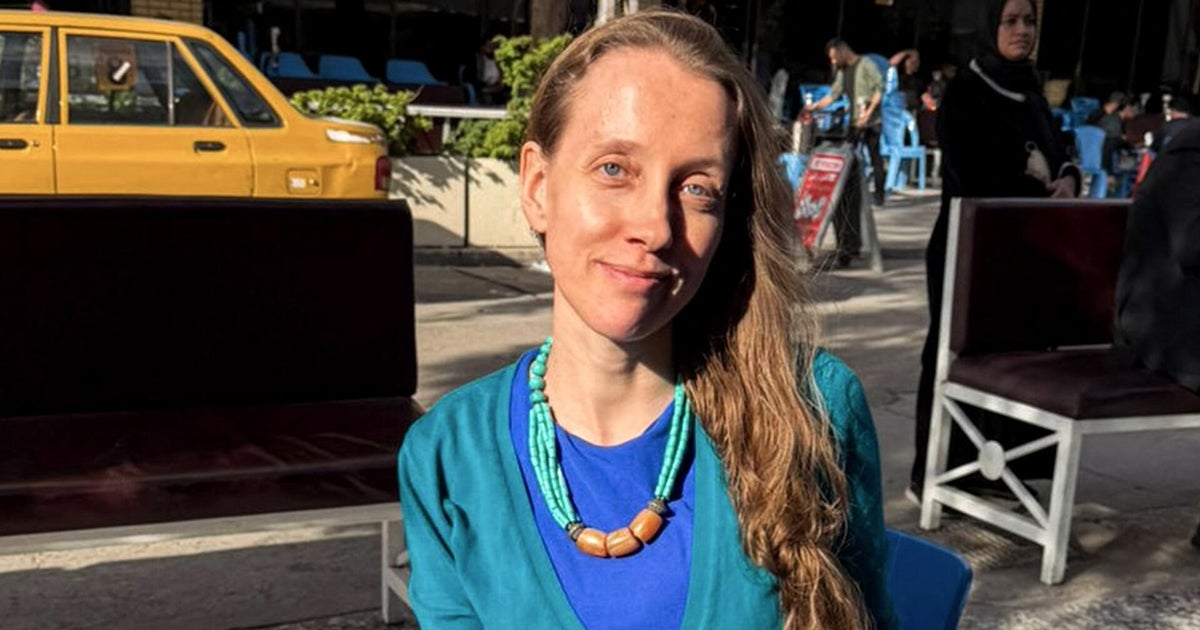

American Journalist Shelley Kittleson Released After Week-Long Kidnapping in Baghdad
The Release and Conditions
After a harrowing week in captivity, American journalist Shelley Kittleson has been released by her captors in Iraq, according to an announcement made by an Iranian-backed militia group on Tuesday. A spokesperson for Kata’ib Hezbollah, the militia responsible for her abduction, confirmed the release through a post on the group’s official Telegram messaging channel. However, Kittleson’s freedom comes with a strict condition: she must leave Iraq immediately and not return. The announcement left many questions unanswered, as her exact whereabouts following the release remained unclear at the time of the statement. The situation has drawn international attention to the dangers faced by journalists working in conflict zones and the complex political dynamics at play in Iraq, where various militia groups operate with significant autonomy and often with backing from neighboring Iran.
Warnings Ignored Despite Known Threats
The circumstances leading up to Kittleson’s kidnapping reveal a troubling pattern of ignored warnings and calculated risk-taking that ultimately placed her in grave danger. Alex Plitsas, who served as Kittleson’s designated point of contact in the United States and works as a CNN national security analyst, disclosed that the U.S. government had specifically warned Kittleson about threats against her from Kata’ib Hezbollah. According to U.S. officials, the Iranian-backed paramilitary organization had been actively seeking to kidnap or kill female journalists operating in the region. The warnings were not vague or general in nature; they were specific, targeted, and repeated multiple times. Most alarmingly, Kittleson received a warning as recently as the night before she was abducted, indicating that American intelligence had credible and timely information about the imminent danger she faced. Despite these clear and urgent warnings from government officials who were monitoring the threat landscape, Kittleson proceeded with her travel plans to Baghdad, a decision that would ultimately lead to her week-long ordeal in captivity.
A Journalist’s Commitment Despite the Risks
Kiran Nazish, founder and director of the Coalition for Women in Journalism, provided insight into Kittleson’s mindset and circumstances leading up to her abduction. In conversations with CBS News, Nazish explained that Kittleson had been planning to stay with a family in Iraq who had reassured her that she would be safe under their protection. The family had apparently convinced Kittleson not to worry about the threats, promising they would ensure her security during her stay. In a text message exchange with Nazish, Kittleson acknowledged that she had been officially advised not to travel to Iraq but indicated that “she was doing what she had always done.” This statement speaks volumes about Kittleson’s character as a journalist and her commitment to her work, even in the face of known dangers. Nazish emphasized that this wasn’t Kittleson’s first rodeo in dangerous territories; she had traveled to both Iraq and Syria multiple times in the past and had significant “experience reporting on the ground in difficult circumstances.” Her professional background suggested she was well aware of the risks involved in conflict zone journalism, yet she continued to pursue stories that others might have been too afraid to cover.
The Broader Context of Journalist Safety
The kidnapping and subsequent release of Shelley Kittleson highlights the increasingly dangerous environment for journalists, particularly women, working in the Middle East. The fact that Kata’ib Hezbollah was allegedly targeting female journalists specifically adds another disturbing dimension to the already perilous situation reporters face in conflict zones. Female journalists often face unique threats and vulnerabilities that their male counterparts may not encounter, including gender-based violence and targeted harassment by armed groups. The case also underscores the complex security landscape in Iraq, where Iranian-backed militia groups like Kata’ib Hezbollah operate with relative impunity, often outside the control of the Iraqi government. These groups have grown increasingly powerful in recent years, particularly following their role in fighting against ISIS, and they now wield significant political and military influence throughout the country. The ability of such groups to kidnap foreign nationals, hold them for extended periods, and then release them on their own terms demonstrates the weakness of central authority and the fractured nature of security in modern Iraq.
International Implications and Response
Kittleson’s case raises important questions about the responsibility of governments to protect their citizens abroad and the difficult balance between individual freedom and state intervention. While the U.S. government clearly made efforts to warn Kittleson about the specific threats she faced, ultimately they could not prevent her from traveling to Iraq or force her to heed their warnings. This situation exemplifies the challenges faced by diplomatic and intelligence services when dealing with citizens who choose to enter dangerous territories despite official advisories. The incident also reflects the broader tensions between the United States and Iran, as proxy groups like Kata’ib Hezbollah often act as extensions of Iranian foreign policy in the region. The targeting of an American journalist by an Iranian-backed militia could be interpreted as a message to the United States about Iran’s reach and influence in Iraq. For journalists and news organizations, the case serves as a stark reminder of the need for comprehensive security assessments, proper risk management protocols, and the importance of heeding official warnings when they are issued by government intelligence agencies with access to information that civilians may not possess.
The Life and Work of a Dedicated Reporter
Based in Rome with time spent in Istanbul, Shelley Kittleson represents a generation of journalists who have dedicated their careers to reporting from some of the world’s most dangerous and underreported regions. Her willingness to repeatedly travel to places like Iraq and Syria, even in the face of explicit threats, speaks to a deep commitment to telling stories that might otherwise go untold and giving voice to people living in conflict zones. This dedication, while admirable, also raises important questions about the personal risks journalists should be expected to take in pursuit of their profession. The journalism community has long grappled with the tension between the public’s right to know and the safety of the reporters who gather that information. Kittleson’s ordeal will likely reignite debates within newsrooms and journalism organizations about duty of care, risk assessment protocols, and the support systems available to freelance and independent journalists who often work without the resources and security infrastructure available to staff reporters at major news organizations. As she now faces the requirement to leave Iraq immediately and presumably return to safety, the broader journalism community will be watching to see what long-term impacts this experience has on her career and whether it prompts any changes in how news organizations approach security for reporters working in hostile environments. Her safe release is certainly a relief, but the circumstances that led to her kidnapping remain a cautionary tale for journalists everywhere.