

American Journalist Kidnapped in Baghdad: The Shelly Kittleson Case
A Frightening Incident in Iraq’s Capital
The journalistic community was shaken this week when news broke that Shelly Kittleson, an American journalist working in the Middle East, was abducted in Baghdad on Tuesday. The kidnapping, which has drawn attention from multiple U.S. government agencies and international media organizations, represents a troubling escalation in the dangers faced by foreign reporters operating in Iraq. According to sources close to the situation and confirmed by Iraqi officials, Kittleson was taken by unidentified individuals in what appears to be a targeted operation. Iraq’s Interior Ministry released a statement acknowledging that a foreign journalist had been kidnapped by “unknown individuals,” though they initially refrained from publicly identifying the victim. However, the ministry did provide some encouraging news, announcing that security forces had successfully apprehended one suspect connected to the abduction and had seized a vehicle believed to have been used in carrying out the kidnapping. This swift action by Iraqi authorities demonstrates their commitment to resolving the situation, though Kittleson’s whereabouts and condition remain unclear at this time.
The Threat Was Known Before It Happened
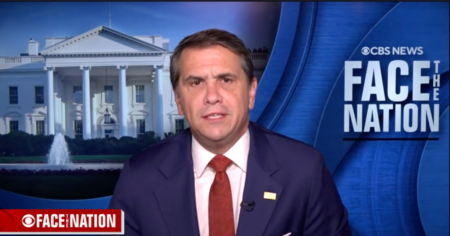
Perhaps most disturbing about this case is that it wasn’t entirely unexpected. Alex Plitsas, who serves as Kittleson’s designated point of contact in the United States and works as a CNN national security analyst, confirmed to CBS News that Kittleson had indeed been kidnapped. More significantly, he revealed that the U.S. government had previously warned Kittleson about a specific and credible threat against her. This warning came from intelligence indicating that Kata’ib Hezbollah, an Iranian-backed paramilitary group operating in Iraq, was actively seeking to kidnap or kill female journalists working in the region. According to Plitsas, Kittleson had been directly informed that her name appeared on a list in Kata’ib Hezbollah’s possession, marking her as a potential target. Despite this alarming warning, Kittleson remained in Baghdad to continue her work. A second source familiar with the situation explained that while Kittleson had been informed of the risk, she believed the threat might be false information or exaggerated intelligence. This tragic situation highlights the difficult decisions journalists must make when weighing personal safety against their professional commitment to reporting important stories from dangerous regions.
Government Response and Involvement
The U.S. government’s response to Kittleson’s kidnapping has been swift and involves multiple agencies at the highest levels. Dylan Johnson, an assistant secretary of state for global public affairs, took to social media platform X to provide an update on the situation. While he carefully avoided naming Kittleson directly in his public statement, Johnson confirmed that the suspect arrested by Iraqi authorities had documented ties to Kata’ib Hezbollah, the very group that had threatened her. Johnson also acknowledged that the State Department had “previously fulfilled our duty to warn this individual of threats against them,” confirming that the government had done its part to alert Kittleson to the danger she faced. He further assured the public that American officials “will continue to coordinate with the FBI to ensure their release as quickly as possible.” An Iraqi official speaking to CBS News emphasized the seriousness with which Iraqi authorities are treating the case, stating they are working “at the highest level” to secure Kittleson’s safe release. The collaborative effort extends across multiple American agencies and military units, with sources familiar with the investigation confirming that the FBI, National Security Council, State Department, Delta Force, and the Iraqi Counter-Terrorism Service are all in active communication about the situation. This multi-agency approach demonstrates both the complexity of the case and the high priority being given to bringing Kittleson home safely.
The Journalistic Community Stands Together
Al-Monitor, the Middle East-focused news organization for which Kittleson works as a freelance reporter, quickly issued a public statement expressing alarm and calling for her immediate release. The statement read: “We are deeply alarmed by the kidnapping of Al-Monitor contributor Shelly Kittleson in Iraq on Tuesday. We call for her safe and immediate release. We stand by her vital reporting from the region and call for her swift return to continue her important work.” This response underscores the value of Kittleson’s journalism and the respect she has earned among her peers for her courageous reporting from one of the world’s most challenging regions. Kittleson has built a reputation as a dedicated journalist willing to go where many others won’t, providing invaluable coverage of events in Iraq and the broader Middle East. Her work has helped international audiences understand the complex political, social, and security dynamics at play in the region. When contacted for comment, the FBI declined to provide information, citing the ongoing nature of the investigation and likely security concerns about revealing operational details that could compromise rescue efforts. The White House similarly did not immediately respond to requests for comment, though the involvement of multiple executive branch agencies makes clear that the situation is being monitored at the highest levels of government.
A Broader Pattern of Threats Against Americans
Kittleson’s kidnapping didn’t occur in a vacuum but rather against a backdrop of escalating threats against Americans in Iraq. Just weeks before her abduction, on March 29, the U.S. Embassy in Iraq issued a stark warning about the security environment in the country. The embassy alert warned that Iran and terrorist militias aligned with Tehran may be planning to target American universities in Baghdad and other Iraqi cities, as well as educational institutions associated with the United States. The warning was serious enough that Americans were advised to leave Iraq for their own safety. This alert reflected growing concerns about Iranian-backed groups operating with increasing boldness in Iraq, where they have established significant influence over the years. Kata’ib Hezbollah, the group believed to be behind Kittleson’s kidnapping, is one of several Iranian-backed militias that have grown in power and influence in Iraq, particularly following the rise and eventual defeat of ISIS. These groups have occasionally targeted Western interests and individuals, viewing them as extensions of American policy in the region. The specific threat against female journalists represents a particularly troubling development, suggesting these groups are expanding their target selection and becoming more willing to directly confront Western media presence in Iraq.
The Risks Journalists Face and What Comes Next
The kidnapping of Shelly Kittleson serves as a sobering reminder of the extraordinary risks journalists take to bring news from conflict zones and politically unstable regions to the rest of the world. Foreign correspondents working in places like Iraq face not only the general security challenges that come with operating in areas with active conflict and weak rule of law, but also targeted threats from groups that view Western journalists as enemies or valuable hostages. For female journalists, these risks can be compounded by additional factors, as the specific threat against women reporters in this case demonstrates. Kittleson’s decision to remain in Baghdad despite being warned of a credible threat reflects the dedication many journalists feel to their work and their belief in the importance of bearing witness to events that might otherwise go unreported. As efforts to secure her release continue, the journalistic community, government officials, and the public are left hoping for a swift and safe resolution. The arrest of one suspect and the seizure of a vehicle provide some hope that Iraqi and American authorities are making progress, but until Kittleson is safely recovered, concern remains high. This incident will likely prompt renewed discussions about the security protocols for journalists working in high-risk environments, the responsibility of news organizations to protect their reporters and freelancers, and the broader question of how to balance the critical need for on-the-ground reporting with the safety of those who provide it. For now, all eyes remain focused on Iraq, with hopes that Shelly Kittleson will soon be freed and able to return safely to continue the important work she has dedicated herself to.