



The Growing Gap Between Retirement Dreams and Reality: What Americans Need to Know
The Million-Dollar Question: How Much Do You Really Need?
When it comes to retirement planning, Americans have set their sights on a significant financial target. According to recent research conducted by Northwestern Mutual, the average American believes they need approximately $1.46 million saved to retire comfortably. This comprehensive survey, which gathered insights from 4,375 participants across the country, reveals a notable increase from the previous year’s figure of $1.26 million—a jump of $200,000 in just twelve months. This substantial increase isn’t just a random fluctuation in expectations; it reflects the very real economic pressures that have been squeezing household budgets across the nation. John Roberts, who serves as chief field officer at Northwestern Mutual, points to persistent inflation as the primary culprit behind this upward trend. The elevated prices that have characterized recent years have made everyday expenses more burdensome, forcing families to spend more on necessities and leaving less money available for long-term savings. The survey was conducted before recent international conflicts that have further complicated the economic landscape, particularly as fuel prices continue their upward climb, adding yet another layer of financial stress to already stretched budgets.
Economic Uncertainty and Job Market Fears Drive Savings Anxiety
Beyond inflation concerns, Americans are grappling with additional uncertainties that are reshaping their retirement planning calculations. One particularly modern worry that has emerged is the potential impact of artificial intelligence on career stability and longevity. The survey revealed that a significant portion of respondents—33% to be precise—expressed genuine fear about how rapidly evolving AI technology might affect their employment prospects and job security. This isn’t merely abstract anxiety about futuristic scenarios; many workers are already witnessing automation and AI implementation in their industries, making these concerns feel immediate and tangible. Roberts suggests that these mounting worries about job security are likely contributing to the increased retirement savings target that Americans feel they need. The logic is straightforward: if your career might be disrupted by technological change, potentially leading to periods of unemployment or forcing a career pivot later in life, you’ll naturally want a larger financial cushion to fall back on. This combination of economic pressures—from inflation eroding purchasing power to technology potentially disrupting career trajectories—has created a perfect storm of financial anxiety that’s causing Americans to recalibrate their retirement expectations upward, even as their ability to save remains constrained by current economic realities.
The Harsh Reality: Most Americans Fall Short of Their Retirement Goals
While Americans may dream of retiring with $1.46 million in the bank, the sobering truth is that very few will actually reach this milestone. The disconnect between retirement aspirations and actual savings is stark and alarming. According to data compiled by NerdWallet, only about 5% of Americans who have retirement accounts have managed to accumulate at least $1 million in savings. Even those who have saved a substantial but smaller amount represent a minority—roughly 9% have managed to sock away $500,000 or more. These statistics paint a concerning picture of retirement readiness across the country. Age does make a difference, as older workers who have had more time to save and benefit from compound growth tend to have larger nest eggs than their younger counterparts. However, even when we look specifically at Americans who are approaching retirement age, the numbers remain troubling. For workers between the ages of 55 and 64—people who are just a few years away from traditional retirement age—the median retirement savings stands at only $185,000. This figure is dramatically lower than the $1.46 million that Americans say they need, representing just 12.7% of that target amount. This massive gap between expectations and reality suggests that many Americans are heading toward retirement significantly underprepared for the financial challenges they’ll face.
The Savings Slowdown: Americans Are Contributing Less to Retirement
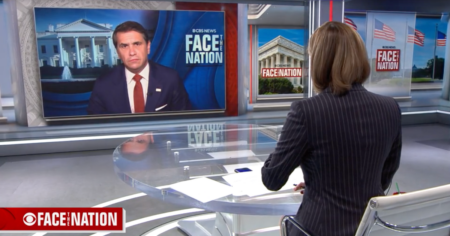
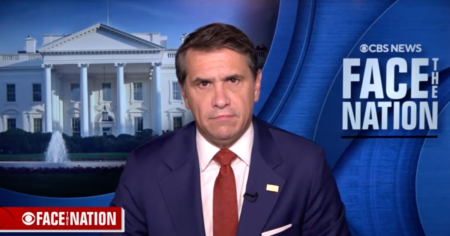
Making matters worse, Americans aren’t just falling short of their savings goals—they’re actually saving less than they were before. Recent data from Dayforce, a major payroll processing firm, reveals a troubling trend in retirement contribution rates. In the previous year, Americans reduced their annual contributions to 401(k) accounts to an average of 8.9%, down from 9.2% the year before. While this might seem like a small decrease, it represents a significant shift in savings behavior, particularly when compounded over many years and across millions of workers. This decline in savings rates is especially concerning given that Americans simultaneously believe they need more money for retirement than ever before. John Roberts of Northwestern Mutual succinctly captured this paradox when speaking with CBS News: “We’re acknowledging there’s a need… but we’re not taking enough action.” This statement highlights a fundamental problem in American retirement planning—a recognition-action gap where people understand the importance of saving for retirement but struggle to translate that understanding into consistent savings behavior. The reasons for this disconnect are varied and complex, ranging from immediate financial pressures that make it difficult to set aside money for the future, to psychological factors that cause people to prioritize present needs over future security, even when they intellectually understand the importance of long-term planning.
What Your Savings Actually Buy: Translating Nest Eggs into Monthly Income
To better understand what these savings figures mean in practical terms, it’s helpful to translate accumulated savings into monthly retirement income. According to Northwestern Mutual’s calculations, the $1.46 million target that Americans have set would generate approximately $4,800 in monthly retirement income. This calculation helps make abstract savings targets more concrete by showing what they mean for day-to-day living in retirement. However, financial experts consistently warn that Americans tend to underestimate how much money they’ll actually need once they stop working. Retirement often brings unexpected expenses that people don’t adequately plan for, from healthcare costs that increase with age to home repairs and maintenance that can’t be deferred. These unforeseen costs can deplete retirement funds much more quickly than anticipated, leaving retirees financially vulnerable in their later years. Even more concerning is the growing trend of people tapping into their retirement savings before they actually retire. Financial services firm Vanguard has documented that a record share of Americans are taking hardship withdrawals from their retirement accounts to cover immediate financial needs, such as medical expenses or other emergencies. Each early withdrawal not only reduces the total amount saved but also eliminates the potential for that money to grow through investment returns over time, creating a double impact on retirement readiness.
The Reality Check: Bridging the Gap Between Expectations and Outcomes
Roberts from Northwestern Mutual provided perhaps the most insightful observation about this retirement savings crisis: “They’re kind of saying, future me is going to live lean. But it’s not actually how it plays out in reality.” This statement captures a fundamental truth about retirement planning—many people convince themselves that they’ll be able to get by on less money in retirement, adopting a more frugal lifestyle and cutting back on expenses. However, the reality of retirement is often quite different from these modest projections. Healthcare costs tend to increase with age, not decrease. The desire to travel and enjoy retirement—the reward for decades of work—requires money. Home maintenance doesn’t pause just because someone stops working. The gap between what Americans think they need for retirement, what they’re actually saving, and what they’ll ultimately require creates a potentially devastating financial situation for millions of future retirees. Addressing this crisis requires action on multiple fronts: individuals need to increase their savings rates despite current economic pressures; employers can help by offering better retirement benefits and matching contributions; and policymakers might need to consider systemic changes to make retirement saving easier and more effective for all Americans. The time to act is now, as every year of insufficient savings makes the eventual retirement funding gap larger and harder to overcome. The message is clear: Americans need to transform their retirement anxiety into concrete action, increasing contributions whenever possible and seeking professional financial advice to maximize the growth of whatever they can save.