

The Arrest of Andrew Mountbatten-Windsor: A Royal Family in Crisis
A Birthday Marked by Police Custody
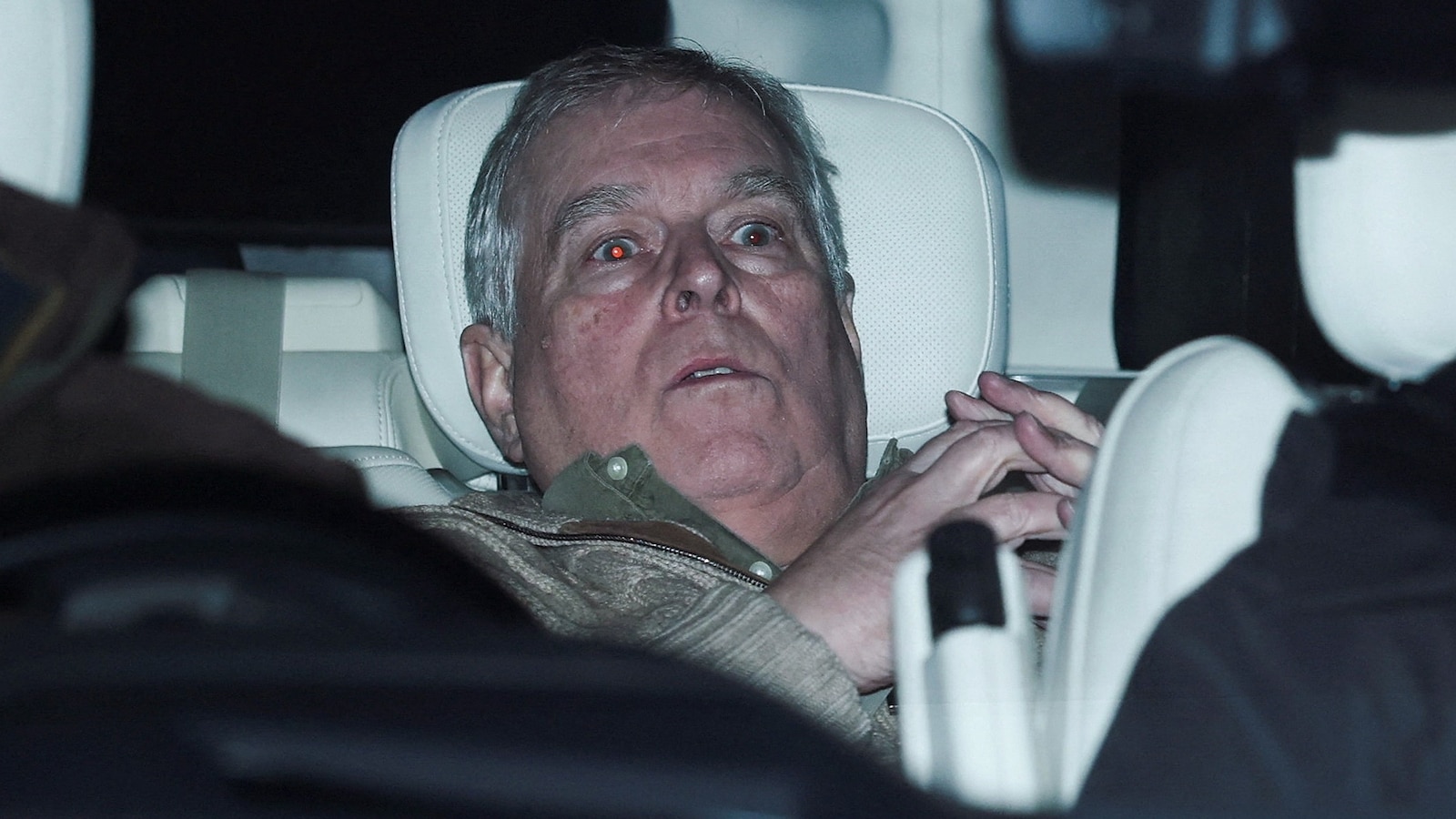
In an unprecedented development that has sent shockwaves through the British monarchy and beyond, Andrew Mountbatten-Windsor, formerly known as Prince Andrew and the younger brother of King Charles III, was arrested on Thursday, February 19, 2026—his 66th birthday. Thames Valley Police took him into custody on suspicion of misconduct in public office, though he has since been released pending further investigation and has not been formally charged with any crime. The arrest represents one of the most serious legal challenges to face a senior member of the royal family in modern British history, coming at a time when the monarchy has been working to rebuild public trust and modernize its image under King Charles III’s reign.
The police confirmed they had arrested “a man in his sixties from Norfolk on suspicion of misconduct in public office” and were conducting searches at multiple properties in both Berkshire and Norfolk. Following national guidance on protecting the identity of individuals who have not been charged, authorities initially declined to name the arrested individual, though the connection to Andrew quickly became public knowledge. Photographs from Wood Farm on the Sandringham estate in eastern England showed what appeared to be plainclothes police officers arriving in several unmarked vehicles throughout the day. By late Thursday, police confirmed that searches in Norfolk had concluded, while operations in Berkshire remained ongoing. The sight of law enforcement at a royal residence—particularly on what should have been a private birthday celebration—underscored the gravity of the situation and marked a dramatic fall from grace for someone who was once a working member of one of the world’s most prestigious royal families.
The Shadow of Jeffrey Epstein
The arrest follows the recent emergence of documents detailing communications between Andrew and the late convicted sex offender Jeffrey Epstein, whose extensive criminal network and connections to powerful figures have continued to generate controversy even years after his death in 2019. While Andrew has consistently denied any wrongdoing in relation to Epstein, the relationship between the two men has been a source of intense public scrutiny and reputational damage for years. The Duke of York, as he was formerly known, had already stepped back from royal duties in 2019 following a disastrous television interview in which he attempted to explain his friendship with Epstein and address allegations made against him. That interview, widely regarded as a public relations catastrophe, led to his effective removal from public royal life and the eventual stripping of his military titles and royal patronages.
The charge of misconduct in public office is particularly serious, as it relates to Andrew’s former role as a trade envoy—a position he held from 2001 to 2011, during which he was meant to represent British business interests abroad. The offense of misconduct in public office applies to individuals holding public positions who willfully neglect or fail to perform their duty, or who abuse the public’s trust in their office. If convicted of this charge, Andrew faces a maximum sentence of life imprisonment, though actual sentences vary widely depending on the specific circumstances of each case. Thames Valley Police had confirmed the previous week that they were assessing reports of Andrew’s alleged misconduct during his tenure as trade envoy, stating they had received information and were evaluating it “in line with our established procedures.” The fact that these investigations have now progressed to an arrest indicates that authorities believe they have sufficient grounds to continue their inquiry, though it’s important to note that an arrest does not constitute proof of guilt and Andrew maintains his right to be considered innocent until proven otherwise in a court of law.
The Royal Family’s Response
King Charles III responded to the news with a carefully worded statement that attempted to balance familial concern with respect for the legal process. “I have learned with the deepest concern the news about Andrew Mountbatten-Windsor and suspicion of misconduct in public office,” the King said, notably referring to his brother by his legal name rather than any royal title. The statement continued: “What now follows is the full, fair and proper process by which this issue is investigated in the appropriate manner and by the appropriate authorities. In this, as I have said before, they have our full and wholehearted support and co-operation.” The King’s emphasis on supporting the investigative process demonstrates the monarchy’s attempt to show that no one is above the law, even those born into royal privilege.
Charles concluded his statement with words that will likely be analyzed by constitutional scholars and public relations experts alike: “Let me state clearly: the law must take its course. As this process continues, it would not be right for me to comment further on this matter. Meanwhile, my family and I will continue in our duty and service to you all.” This positioning—distancing the working royal family from Andrew while pledging to continue serving the public—represents a delicate balancing act for a monarch who must protect both the institution of the monarchy and the principles of justice. The Prince and Princess of Wales, William and Catherine, issued their own statement expressing support for the King’s position, further demonstrating a unified front among the working members of the royal family. Perhaps most tellingly, Buckingham Palace confirmed to ABC News that they were not informed ahead of Andrew’s arrest, suggesting that police treated this matter with the same confidentiality they would afford any other suspect and did not give the palace advance warning that might have allowed them to prepare a response or potentially interfere with the investigation.
International Reactions and Historical Context
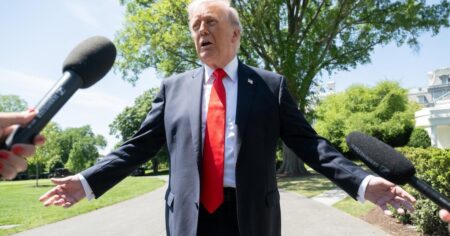
The arrest has generated reactions from around the world, including from President Donald Trump, who called the news “a shame” and expressed sympathy for the royal family. “I think it’s a shame. I think it’s very sad and I think it’s so bad for the royal family. It’s very, very sad,” Trump said, though he stopped short of commenting on the substance of the allegations or the ongoing investigation. Trump’s comments reflect the international interest in the case and the way Andrew’s troubles have become intertwined with broader questions about accountability for powerful individuals and their associations with convicted criminals like Epstein.
To understand the magnitude of this arrest, it’s important to place it in historical context. There have been virtually no senior royals arrested in recent British history, making this an extraordinary event in the modern era of the monarchy. The closest comparable incident occurred in November 2002, when Princess Anne pleaded guilty to having a dog dangerously out of control and was fined £500—a minor offense that bears no comparison to the serious criminal allegations now facing Andrew. The British monarchy has weathered numerous scandals over the decades, from the abdication crisis of 1936 to the breakdown of multiple royal marriages in the 1990s, but criminal investigations involving senior royals remain exceptionally rare. This arrest represents not just a personal crisis for Andrew and his immediate family, but a potentially defining moment for the modern monarchy as it grapples with questions of accountability, privilege, and the relationship between royal status and the rule of law.
The Road Ahead
As this story continues to develop, many questions remain unanswered. What specific evidence led authorities to make an arrest on this particular day? What did the searches of Andrew’s properties uncover? How will the investigation proceed, and what timeline might the public expect for charging decisions? Andrew’s legal team will undoubtedly be working to understand the full scope of the allegations against him and to mount a defense if charges are ultimately filed. Meanwhile, the royal family must navigate the public relations challenge of distancing themselves from Andrew’s troubles while avoiding the appearance of abandoning a family member in crisis.
For King Charles III, who ascended to the throne following the death of Queen Elizabeth II, this crisis represents one of the most serious challenges of his reign thus far. The monarchy’s future depends in part on maintaining public confidence, and scandals involving senior royals—particularly those touching on serious criminal allegations—threaten to undermine that confidence. The coming weeks and months will likely bring more revelations, more statements, and potentially more legal proceedings. For now, Andrew Mountbatten-Windsor remains under investigation, released but not cleared, as British law enforcement continues what has become one of the most consequential investigations involving a royal family member in modern history. As the King himself stated, “the law must take its course”—a principle that will now be tested in full view of a watching world.