


Anonymous Donor Gifts Osaka $3.6 Million in Gold to Fix Crumbling Water Infrastructure
A Stunning Act of Civic Generosity
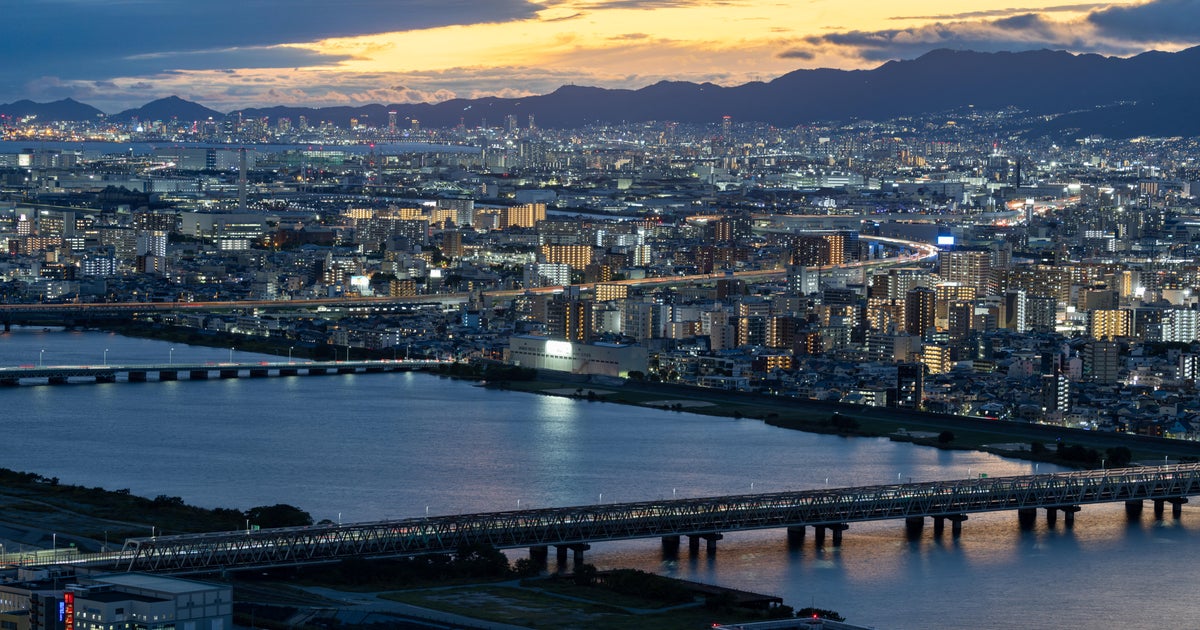
In an extraordinary display of community spirit, the Japanese city of Osaka has received an astonishing anonymous donation of gold bars valued at approximately $3.6 million, specifically earmarked for repairing the city’s deteriorating water pipe system. The generous gift, which arrived at the Osaka City Waterworks Bureau in November, consisted of gold bars weighing a total of 46 pounds and worth 560 million yen. Mayor Hideyuki Yokoyama expressed his profound gratitude and amazement at the donation during a press conference held on Thursday, telling reporters that he was absolutely speechless when he learned about the contribution. The mysterious benefactor made their intentions crystal clear: the funds should be used exclusively to address the pressing issue of Osaka’s aging and failing water infrastructure, a problem that has become increasingly urgent for the city’s 2.8 million residents.
A Wake-Up Call from Tragedy
The timing of this generous donation carries particular significance in light of recent tragic events that have highlighted Japan’s infrastructure challenges. Just last year, a massive and deadly sinkhole incident shocked the nation and brought the issue of deteriorating public works into sharp focus. The terrifying accident occurred when a sinkhole, measuring approximately 33 feet wide and 20 feet deep, suddenly opened up and swallowed a truck, tragically killing the driver. While this particular incident happened in Saitama, north of Tokyo, and was linked to a damaged sewer pipe, it sent shockwaves throughout the country and raised serious questions about infrastructure safety in cities across Japan, including Osaka. The incident served as a grim reminder that the pipes, roads, and systems buried beneath Japan’s bustling cities cannot be ignored indefinitely. For Osaka specifically, the problem is particularly acute, as the city recorded 92 cases of water pipe leaks beneath city roads during the fiscal year ending in March 2025, according to Eiji Kotani, a waterworks official for the city.
The Historical Roots of the Infrastructure Crisis
The current infrastructure challenges facing Osaka and other Japanese cities can be traced back to the country’s remarkable post-World War II economic transformation. During the decades of rapid economic growth that followed the war’s end, Japan built much of its modern public infrastructure, including the vast networks of water pipes, sewers, roads, and bridges that support daily life in its cities. Osaka, which serves as western Japan’s de facto capital and functions as a crucial commercial hub for the region, experienced urban development earlier than many other Japanese cities. This early development, while initially advantageous for economic growth and modernization, now means that Osaka’s infrastructure is aging more rapidly than that of cities that developed later. The water pipes and other underground systems that were installed decades ago during the city’s rapid expansion are now reaching the end of their functional lifespan, creating an urgent need for extensive renewal and replacement projects.
The Massive Scale of the Challenge Ahead
The infrastructure problems facing Osaka are not just significant—they’re genuinely staggering in scope. City officials have determined that approximately 160 miles of water pipes throughout Osaka require complete renewal to ensure safe and reliable water service for the city’s millions of residents. To put the financial challenge in perspective, Kotani explained that renewing just 1.2 miles of water pipes costs approximately 500 million yen, or about $3.2 million. This means that while the anonymous donor’s gift of $3.6 million is incredibly generous and will make a meaningful difference, it represents only a small fraction of the total investment needed to fully address the city’s water infrastructure problems. The complete renewal of all 160 miles of aging pipes would require an investment running into the billions of dollars, presenting a massive financial challenge for city planners and government officials as they balance competing budget priorities and the needs of their constituents.
A Mayor’s Gratitude and Commitment
Mayor Yokoyama’s response to the donation reflected both his deep appreciation for the gift and his understanding of the enormous task still ahead. “It’s a staggering amount and I was speechless,” he told reporters, his words conveying genuine emotion at the generosity of the unknown donor. He continued by acknowledging the scope of the challenge: “Tackling aging water pipes requires a huge investment, and I cannot thank enough for the donation.” The mayor’s statements made clear that he understands both the critical importance of addressing the infrastructure crisis and the difficulty of securing adequate funding for such projects, which often struggle to capture public attention despite their fundamental importance to daily life and public safety. Yokoyama pledged that the city would honor the donor’s specific wishes and ensure that every yen of the gold bar donation would be directed toward waterworks improvement projects, demonstrating the kind of accountability and transparency that such a generous act deserves.
A Symbol of Hope and Civic Responsibility
Beyond its immediate practical value, this remarkable donation carries deeper symbolic significance for Osaka and perhaps for Japan as a whole. In an era when public infrastructure often deteriorates quietly out of sight and out of mind, one individual’s decision to contribute such substantial personal wealth to this unglamorous but essential cause sends a powerful message about civic responsibility and community commitment. The donor’s choice to remain anonymous suggests that their motivation was purely altruistic, driven by genuine concern for public safety and the well-being of their community rather than any desire for recognition or prestige. This act of generosity may also inspire others—whether individuals, corporations, or foundations—to consider how they might contribute to addressing similar infrastructure challenges in their own communities. As Japan’s third-largest city, Osaka now faces the task of using this gift wisely and transparently while continuing to seek additional funding sources to complete the massive undertaking of renewing its water infrastructure. The story of this donation serves as both a heartwarming reminder of human generosity and a sobering illustration of the infrastructure challenges facing modern cities, not just in Japan but around the world, as the systems built during previous generations of economic growth reach the end of their serviceable lives and require costly replacement.