
Pentagon vs. Anthropic: A Clash Over AI Ethics and National Security
The Dispute Erupts Into Public View
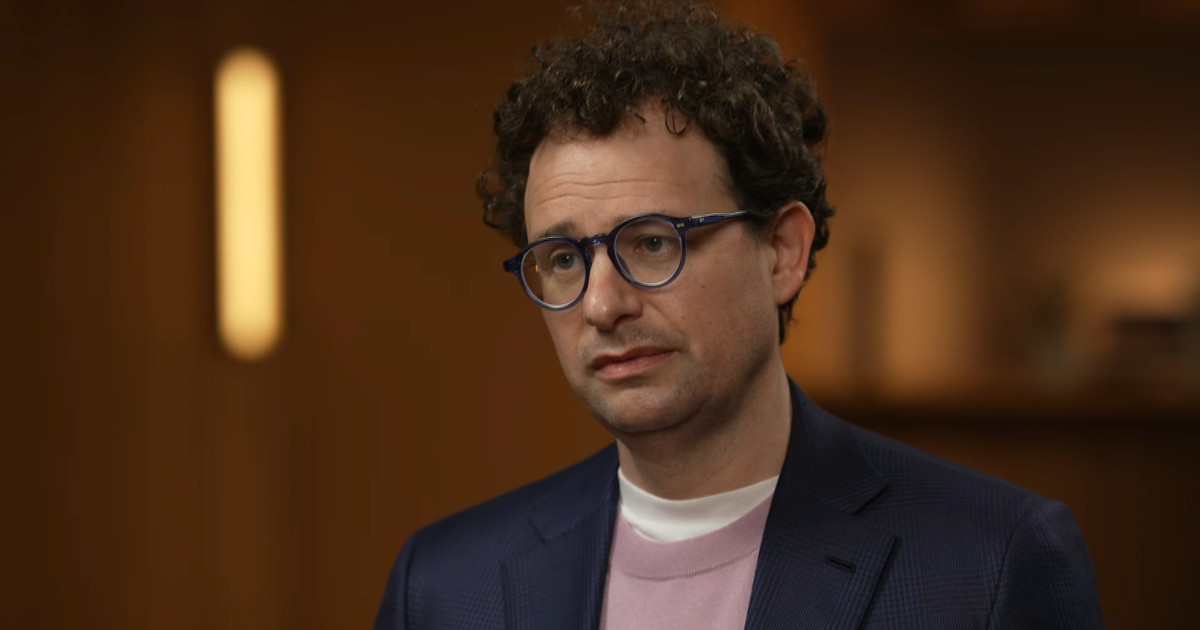
The escalating conflict between the U.S. Defense Department and artificial intelligence company Anthropic took center stage this week when Pentagon leadership designated the American AI firm as a national security risk. In a candid interview with CBS News on Friday, Anthropic’s CEO Dario Amodei didn’t mince words, calling the Pentagon’s actions “retaliatory and punitive.” This unprecedented move by Defense Secretary Pete Hegseth marks the first time an American company has received such a designation, effectively blacklisting Anthropic from working with military contractors. The controversy stems from Anthropic’s refusal to grant the military unrestricted access to its AI model, Claude, raising fundamental questions about the balance between national security needs and ethical safeguards in artificial intelligence development. What makes this situation particularly striking is that just months earlier, in July 2025, the Pentagon had awarded Anthropic a substantial $200 million contract to develop AI capabilities for national security purposes, showing just how rapidly this relationship deteriorated.
Standing Firm on American Values
Dario Amodei positioned his company’s stance as fundamentally patriotic, even as it put Anthropic at odds with one of the most powerful institutions in the country. “Disagreeing with the government is the most American thing in the world,” Amodei told CBS News senior business and technology correspondent Jo Ling Kent, framing the dispute not as opposition to national security but as a defense of core American principles. The Anthropic CEO emphasized that his company sought to establish clear “red lines” regarding how the government could use their technology, believing that crossing those boundaries would contradict American values. Amodei stressed that Anthropic is composed of “patriotic Americans” whose every action has been motivated by what’s best for the country and supporting U.S. national security. His message to President Trump, if given the opportunity to speak directly, would underscore that the company’s decision to work with the military in the first place came from a place of belief in America and its values. This narrative paints Anthropic not as an obstinate company refusing to cooperate, but as an organization trying to ensure that powerful AI technology is deployed responsibly and in alignment with democratic principles.
The Sticking Points: Surveillance and Autonomous Weapons
At the heart of this conflict lie two specific concerns that Anthropic raised about the Pentagon’s intended use of Claude, its AI model. According to reports, the AI startup worried that their technology could potentially be used for domestic surveillance on American citizens and for the development and deployment of autonomous weapons systems. These aren’t trivial concerns—both issues touch on deeply contentious debates in technology ethics and civil liberties. The specter of AI-enabled mass surveillance conjures fears of privacy erosion and government overreach, while autonomous weapons raise moral questions about removing human judgment from life-and-death decisions on the battlefield. Anthropic sought to implement specific guardrails that would prevent these applications of their technology, protective measures that the company says the Defense Department rejected. The Pentagon’s unwillingness to accept these limitations appears to have been the breaking point in negotiations. From Anthropic’s perspective, these guardrails weren’t unreasonable restrictions but necessary protections to prevent misuse of powerful AI capabilities. The company’s position reflects a broader tension in the AI industry between maximizing the capabilities and applications of artificial intelligence and ensuring it’s developed and deployed with appropriate ethical constraints.
The Pentagon’s Hardline Response
The Defense Department’s response to Anthropic’s position was swift and severe. Earlier in the week, the Pentagon issued an ultimatum to Anthropic with a deadline of 5:01 p.m. to either reach an agreement or face the loss of all government contracts. When that deadline passed without resolution, the consequences came quickly. President Trump took to social media to order all federal agencies to “immediately” halt their use of Anthropic’s technology, though he granted some agencies, including the Defense Department itself, a six-month period to phase out their reliance on the company’s AI systems. Defense Secretary Pete Hegseth then escalated further by designating Anthropic a “supply chain risk to national security” through his own social media announcement. This designation carries serious implications beyond just the direct contracts between Anthropic and the government—it means that any contractor doing business with the Pentagon is now prohibited from conducting commercial activity with Anthropic. This effectively attempts to isolate the AI company from a vast network of defense contractors and could have significant business ramifications. The Pentagon’s chief technology officer, Emil Michael, suggested in comments to CBS News that the military had “made some very good concessions” to Anthropic and that “at some level, you have to trust your military to do the right thing.” This statement encapsulates the Defense Department’s position: that Anthropic’s demands for specific guardrails reflect a lack of trust in the military’s judgment and good faith.
Unprecedented Territory in Government-Tech Relations
What makes this situation particularly noteworthy is just how unprecedented it is. As Amodei pointed out, this represents the first time the U.S. government has designated a domestic American company as a supply chain risk to national security—a designation typically reserved for foreign entities, particularly Chinese technology companies that U.S. officials believe pose espionage or security threats. The application of this framework to an American AI company breaks new ground and signals a potentially dramatic shift in how the government might handle disagreements with technology firms over national security matters. The speed and severity of the response also stands out. The progression from a $200 million contract awarded just months ago to a complete severance of the relationship, presidential orders, and a national security designation happened in a remarkably compressed timeframe. This suggests either that the negotiations broke down very badly very quickly, or that the Pentagon decided to make an example of Anthropic to send a message to other AI companies about the expectations for cooperation with national security agencies. The public nature of the dispute is also unusual—these kinds of conflicts between tech companies and government agencies over security matters often happen behind closed doors, resolved through quiet negotiations rather than public statements and social media posts from Cabinet secretaries.
The Broader Implications for AI Development
This conflict between Anthropic and the Pentagon represents more than just a business dispute or contract negotiation gone wrong—it highlights fundamental questions facing society as artificial intelligence becomes increasingly powerful and widespread. How much control should AI companies retain over how their technology is used, particularly when it comes to government and military applications? Where should the boundaries be drawn between national security imperatives and ethical considerations around AI deployment? Who gets to decide these questions—the companies developing the technology, the government agencies seeking to use it, or some combination of both? Anthropic’s stance suggests a belief that AI developers have both the right and the responsibility to impose limitations on how their creations are used, even when dealing with government clients. The Pentagon’s response indicates a view that national security needs must take precedence and that the military should be trusted to use AI capabilities responsibly without external constraints imposed by private companies. As AI systems become more capable and potentially more dangerous, these questions will only become more pressing. The outcome of this dispute could set important precedents for future interactions between AI companies and government agencies. If Anthropic’s position is vindicated, it might embolden other tech companies to impose similar ethical guardrails on government use of their technology. If the Pentagon’s hardline approach succeeds in forcing compliance, it might discourage companies from resisting government demands, regardless of their ethical concerns. Either way, this very public clash between one of America’s leading AI companies and its Defense Department marks a significant moment in the ongoing negotiation over how transformative AI technology will be governed and controlled in democratic societies.