

Airport Chaos Deepens as TSA Workers Miss Paychecks During Government Shutdown
Frustrated Travelers Face Extended Wait Times Nationwide
The partial government shutdown that began on February 14 has created a ripple effect of chaos across America’s busiest airports, with travelers experiencing unprecedented delays and security checkpoint closures. As Transportation Security Administration officers continue reporting to work without receiving paychecks, the situation has become increasingly dire for both passengers and security personnel alike. At Philadelphia International Airport, frustrated traveler Colin McDonald voiced what many Americans are thinking: “I think it’s ridiculous they need to open the government back up, it’s time.” His sentiment echoes throughout terminals nationwide as wait times have skyrocketed to levels that disrupt travel plans and create significant stress for those trying to reach their destinations. The situation has become so severe that some of the country’s major transportation hubs are experiencing waits exceeding two hours, transforming what should be routine travel into an exhausting ordeal.
Critical Staffing Shortages Create Security Bottlenecks
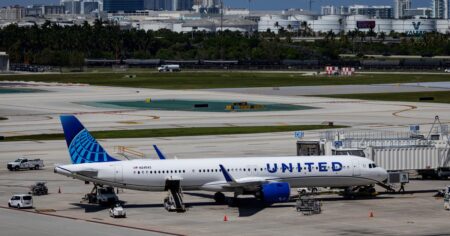
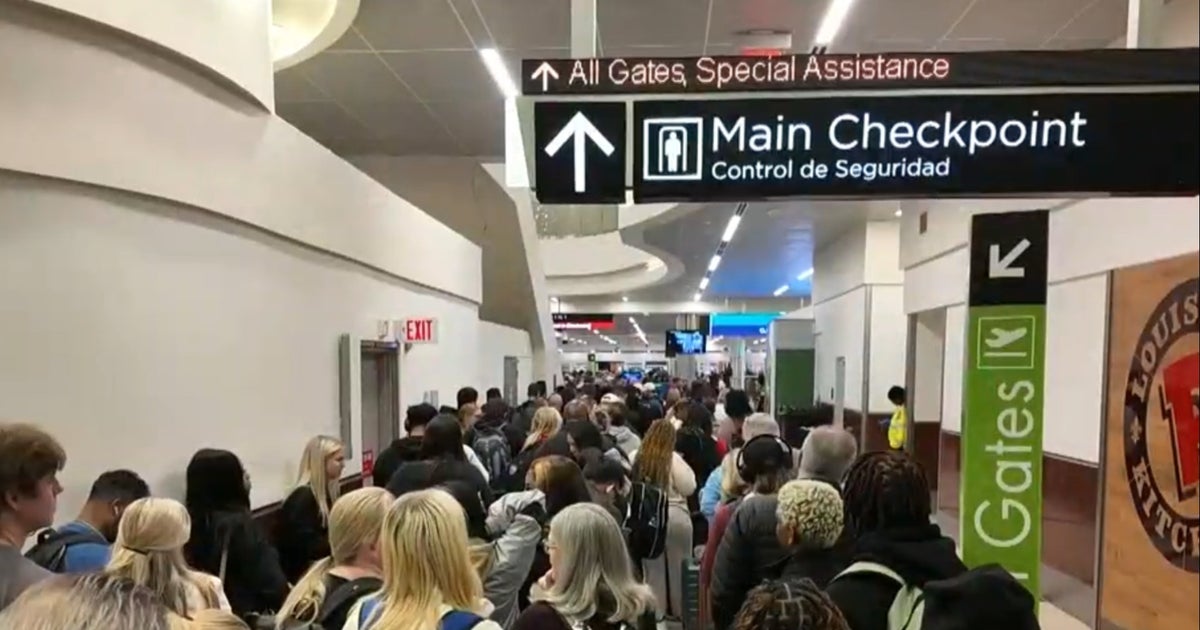
The impact of unpaid TSA officers has manifested in alarming staffing shortages that have paralyzed airport operations across the nation. By early Friday afternoon, George Bush Intercontinental Airport in Houston reported wait times reaching a staggering 120 minutes, while Atlanta’s Hartsfield-Jackson International Airport—the world’s busiest airport—saw its main checkpoint backed up with an 80-minute wait around mid-morning, which persisted throughout the day with wait times of more than 65 minutes at the main checkpoint and 45 minutes at the north checkpoint. The numbers behind these delays tell a troubling story: TSA reported that more than 10% of officers called out nationwide on Wednesday alone. However, some airports faced even more critical situations, with Atlanta and Houston experiencing callout rates as high as 38%. These extraordinary absence rates have forced difficult operational decisions, including the complete shutdown of some security checkpoints in Houston and Philadelphia on Thursday. The cascading effect of these closures has created bottlenecks at remaining checkpoints, further compounding delays and passenger frustration.
TSA Employees Bear Financial Burden of Political Deadlock
The human cost of the shutdown became painfully real last week when TSA employees missed their first full paycheck since the Department of Homeland Security funding lapsed. For thousands of federal workers who live paycheck to paycheck, this financial disruption has created genuine hardship, forcing impossible choices between paying rent, buying groceries, or covering other essential expenses. The stress and uncertainty have taken their toll on retention as well—more than 300 TSA employees have left the agency since the start of the DHS shutdown, choosing to pursue employment where they can count on regular compensation. Sharod Green, a TSA officer working at Ronald Reagan Washington National Airport, eloquently captured the frustration and apolitical nature of federal workers caught in this political crossfire: “We’re not Republicans. We’re not Democrats. We’re not Independents. We’re just people who come to work every day to do our job.” His words underscore the reality that these dedicated security professionals continue showing up to protect the traveling public despite not knowing when they’ll receive their next paycheck, demonstrating a level of commitment that goes beyond partisan politics.
Travelers and Workers Unite in Calling for Government Resolution
As the shutdown continues with no clear end in sight, both travelers and TSA officers have found common ground in their frustration with Washington lawmakers. Corinne Gunter, speaking from Ronald Reagan Washington National Airport, articulated what many view as a straightforward solution: “Get it passed. Work together. Come together so that we can continue to pay our people and care for the folks who keep our nation running.” Her plea reflects a growing public sentiment that the political dysfunction in Washington has real-world consequences for ordinary Americans trying to go about their daily lives. The traveling public, already dealing with the normal stresses of air travel, now faces the added burden of significantly extended wait times and uncertainty about whether security checkpoints will even be operational when they arrive at the airport. This situation has created an unusual alliance between airport workers and passengers, both groups equally frustrated by a political impasse that seems disconnected from the practical realities of keeping the nation’s transportation infrastructure functioning safely and efficiently.
Political Stalemate Over Immigration Reform Continues
At the heart of this crisis lies a fundamental disagreement between Republicans and Democrats over immigration reform, the primary issue preventing lawmakers from reaching a funding agreement for the Department of Homeland Security. The political divide has proven remarkably resistant to compromise, even as the real-world consequences mount at airports across the country. Senator Peter Welch, a Democrat from Vermont, proposed what he sees as a pragmatic approach during remarks on Capitol Hill: “We should fund TSA and I support that right away and we should separate out the area where we have a real dispute, and that’s on ICE.” His suggestion to decouple TSA funding from the broader immigration debate represents one potential path forward, though it remains unclear whether such an approach could gain sufficient bipartisan support. Meanwhile, Republican Representative Mike Collins of Georgia, speaking to CBS News while returning home from Washington, acknowledged the urgency of the situation: “It’s time to fund this agency, especially when we’ve got an armed conflict going on in the Middle East.” His comments suggest that at least some Republicans recognize the security implications of leaving TSA understaffed during a period of heightened global tensions. Despite these individual voices calling for action, negotiations have proceeded slowly, with a group of senators meeting with border czar Tom Homan on Thursday in an attempt to find common ground.
The Broader Implications of Shutdown Politics
This partial government shutdown, now stretching beyond its second week, illustrates the profound disconnect between political maneuvering in Washington and the practical functioning of essential government services that Americans depend on daily. The situation at airports serves as a visible and immediately impactful example of how budget disputes and policy disagreements can translate into tangible disruptions in citizens’ lives. For TSA officers, the choice to continue working without pay reflects both their professional dedication and the difficult reality that many federal employees face during shutdowns—they’re deemed essential enough that they must report to work, yet not essential enough for politicians to prioritize funding their salaries. The exodus of over 300 TSA employees since the shutdown began raises serious questions about the long-term sustainability of expecting federal workers to labor indefinitely without compensation. Beyond the immediate crisis at airports, this situation sets a troubling precedent for how political disagreements might impact other critical government functions. If the impasse continues, the combination of mounting callouts, employee departures, and deteriorating morale could create security vulnerabilities that extend far beyond inconvenient wait times. As negotiations continue and travelers face another uncertain weekend of potential delays, the pressure mounts on lawmakers to find a resolution that allows these dedicated public servants to receive the paychecks they’ve earned while keeping America’s airports operating smoothly and securely.