


America’s Military Power Moves Toward Iran: What’s Really Happening
A Massive Show of Naval Force in the Mediterranean
The quiet waters off Morocco’s western coastline became the stage for a deliberate display of American military might this week when the USS Gerald R. Ford, a colossal 1,000-foot aircraft carrier, briefly activated its tracking system. For just a few hours on Wednesday afternoon, anyone monitoring maritime traffic could see exactly where this floating city of American power was heading—straight toward the Strait of Gibraltar and into the Mediterranean Sea. This wasn’t an accident or a technical glitch. When a military vessel of this magnitude suddenly becomes visible to civilian tracking websites, it’s a calculated move, a message broadcast not just to journalists and military enthusiasts worldwide, but directly to Tehran. The Ford’s appearance on tracking systems revealed it was approximately 175 miles off Morocco’s coast and moving faster than expected, suggesting it could reach the Eastern Mediterranean several days ahead of previous estimates. This behemoth represents the second aircraft carrier President Trump has ordered toward waters near Iran, forming part of what the president himself has dubbed a naval “armada.” The carrier’s journey symbolizes more than just routine naval deployment—it’s a floating reminder of America’s capacity to project overwhelming force anywhere on the globe, and right now, that projection is aimed squarely at the Islamic Republic.
The President’s Strategy: Pressure, Threats, and Uncertain Timelines
Behind this massive military buildup lies President Trump’s renewed push to force Iran into negotiations over its nuclear program. Speaking to his Board of Peace gathering in Washington on Thursday, the president delivered characteristically ambiguous warnings wrapped in casual language. “Now is the time for Iran to join us on a path that will complete what we’re doing,” Trump stated, before adding with ominous flexibility, “If they join us, that’ll be great. If they don’t join us, that’ll be great, too. But it’ll be a very different path.” His final warning carried unmistakable menace: “If it doesn’t happen, it doesn’t happen. But bad things will happen if it doesn’t.” Meanwhile, behind closed doors, the military machinery has been spinning up to readiness. Top national security officials have informed the president that U.S. forces could be prepared to strike Iranian targets as soon as this coming Saturday, according to sources familiar with the discussions who spoke to CBS News. However, these same sources emphasized that Trump hasn’t made any final decision about whether to actually order strikes, and the realistic timeline for any military action would likely extend well beyond the weekend. This combination of public posturing and private preparation creates a complex dance—maximum pressure without definitive commitment, keeping both Iran and the world guessing about America’s true intentions.
An Airborne Armada: The Less-Discussed Buildup in the Skies
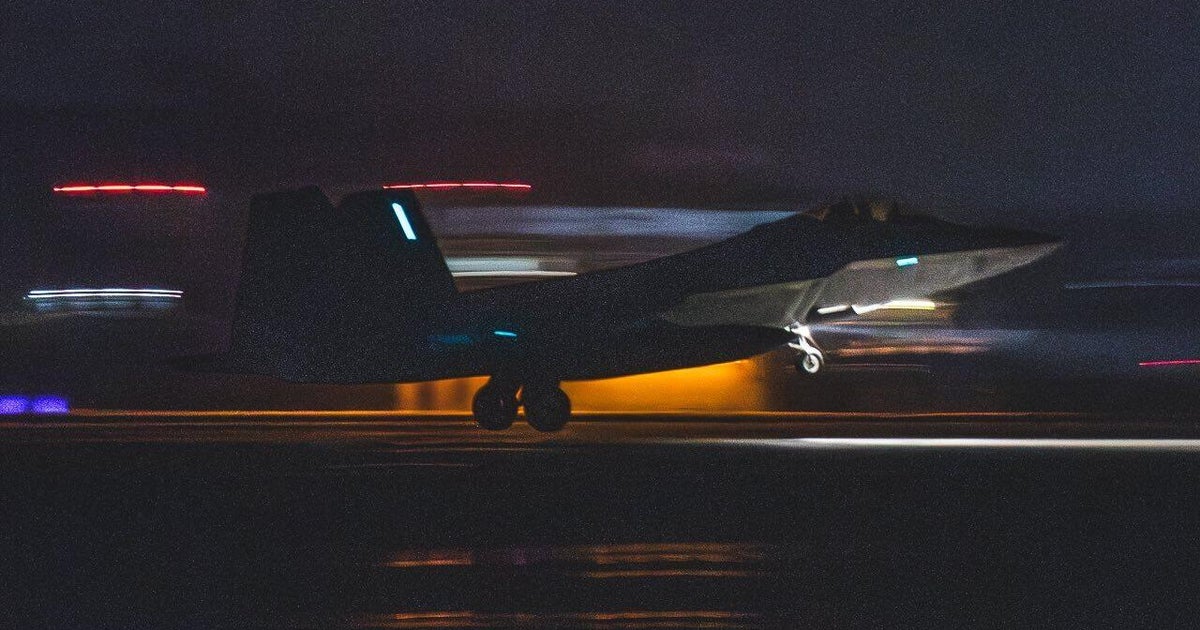
While the dramatic movement of aircraft carriers captures headlines and imagination, a equally significant but less-discussed military surge has been unfolding in the skies above the Atlantic and Europe. Over just eight hours on Wednesday, CBS News was able to identify and track more than fifty U.S. Air Force and Navy aircraft making the eastward journey from American airbases on both coasts toward the United Kingdom, continental Europe, and ultimately the Middle East. Many of these planes then vanished from public radar systems near the Jordan-Saudi Arabia border—a telling detail that suggests their final destinations were bases in the region where American military activity is deliberately kept from public view. The aircraft spotted in transit included mostly the unglamorous but essential backbone of military operations: refueling tankers, transport planes, and surveillance aircraft. Yet photographs captured by civilian aviation enthusiasts and shared across social media platforms revealed something more menacing—F-15, F-22, and F-35 fighter jets landing at British bases and then taking off again, heading further east. These images confirm that alongside the logistics support visible in tracking data, genuine American strike capability has been flowing into the region. The sheer scale becomes apparent when you realize that the fifty-plus aircraft identified in those eight hours represented merely a fraction of the hundreds of aircraft movements observable over recent days, painting a picture of the most significant American military repositioning toward the Middle East in years.
Historical Echoes: Bases That Remember the Last Iran Strike
The particular bases receiving this surge of American airpower carry their own historical significance, serving as geographical breadcrumbs pointing toward potential military action. Aircraft have been flowing especially heavily into bases in the Azores—those remote Portuguese islands sitting in the mid-Atlantic—and the Greek island of Crete. Both locations should ring alarm bells for anyone monitoring the Iran situation because they played critical roles during Operation Midnight Hammer, the codename for American strikes against Iranian nuclear facilities conducted this past June in coordination with Israel’s twelve-day conflict with Iran. The reactivation of these same logistical hubs, particularly the concentration of refueling aircraft at these locations ahead of the Ford’s expected arrival, has fueled intense speculation among military analysts about whether we’re witnessing preparation for a repeat performance. Refueling planes might seem mundane, but they’re the essential enablers of long-range strike missions—without them, combat aircraft can’t reach distant targets and return safely. Their positioning in the Azores and Crete creates aerial stepping stones that could support bombers and fighters flying from American or European bases all the way to Iranian targets. While the U.S. military regularly moves equipment and personnel around the globe as part of routine operations, the specific pattern emerging here—the bases chosen, the types of aircraft deployed, the timing coordinated with carrier movements—suggests something far more purposeful than routine rotation.
A Two-Carrier Show of Force: The Ford Joins the Lincoln
As the Ford steams toward the Mediterranean, it’s heading for a rendezvous that will create one of the most formidable concentrations of American naval power seen in years. Already positioned in the Arabian Sea since January is the USS Abraham Lincoln carrier strike group, sitting approximately 200 miles off Oman’s coast according to the most recent satellite imagery from February 15th. When the Ford completes its journey and takes up station in the Eastern Mediterranean, these two carrier strike groups will have Iran effectively bracketed from multiple directions, each within easy striking distance of the Islamic Republic. To understand what this really means, it’s important to remember that these carriers aren’t sailing alone—each serves as the flagship of an entire strike group that includes additional warships, guided-missile cruisers and destroyers, submarines, and dozens of fighter jets and combat helicopters. The Ford itself is the largest aircraft carrier ever built, a floating airbase that represents the cutting edge of American naval engineering. While the Ford appears to have pulled ahead of its accompanying vessels after departing the Caribbean last week, its full strike group will eventually catch up, adding even more firepower to the equation. Beyond the carrier groups themselves, the Pentagon has positioned guided-missile destroyers throughout the region independent of the carriers: the USS Roosevelt and USS Bulkeley in the Mediterranean, the USS Delbert D Black in the Red Sea, and the USS Mitscher already in the Persian Gulf. Together, these vessels create a network of offensive capability surrounding Iran from multiple directions simultaneously.
What This All Means: Reading the Signals and the Stakes
This massive military buildup represents a high-stakes game of international chicken, where visible preparations for potential military action serve multiple purposes simultaneously. On one level, it’s genuine operational preparation—getting forces and equipment in position so that if the president does order strikes, everything is ready to execute quickly and effectively. On another level, it’s psychological warfare and diplomatic pressure, demonstrating to Tehran in the clearest possible terms that America has both the capability and potentially the will to strike. The deliberate decision to make the Ford visible on public tracking systems exemplifies this dual purpose—it serves operational requirements while simultaneously sending an unmistakable message. Iran’s leadership can now see exactly what’s arrayed against them and can calculate the potential consequences of continued nuclear development or failure to negotiate. For America’s allies in the region and Europe, this deployment offers reassurance of American commitment to Middle East security, while simultaneously raising questions about whether they’ll be consulted before any military action or simply presented with facts on the ground. The coming days will reveal whether this massive show of force achieves its apparent goal of bringing Iran to negotiations, or whether the machinery now grinding into position will transition from threat to action. What’s certain is that we’re witnessing one of the most significant American military buildups in years, conducted partially in public view as a message to adversaries and allies alike, while the ultimate decision about how this force will be used remains locked in the uncertainties of presidential decision-making and Iranian response.