


Peace Talks Continue as Russia-Ukraine War Nears Fifth Year
Slim Prospects for Breakthrough in Geneva Negotiations
After nearly four years of devastating conflict, representatives from Russia and Ukraine met once again in Geneva this week for their third round of peace negotiations, with American mediators helping to facilitate the discussions. However, despite the diplomatic efforts, there’s little optimism that these talks will bring an end to what has become the bloodiest war Europe has witnessed in eight decades. The timing of these negotiations is particularly significant, coming just one week before the full-scale Russian invasion reaches its grim fourth anniversary on February 24th. While the international community continues to hope for a peaceful resolution, both sides remain deeply entrenched in their positions on critical issues that seem almost impossible to reconcile at this point.
The gulf between what Russia demands and what Ukraine is willing to accept remains vast and seemingly unbridgeable. At the heart of the disagreement lie two fundamental questions that have plagued these negotiations from the start: whether Russia will gain internationally recognized control over the Ukrainian territories it currently occupies in the eastern part of the country, and what kind of security guarantees Ukraine’s Western allies—particularly the United States—will provide to prevent future Russian aggression once any potential ceasefire takes effect. These aren’t minor details that can be ironed out through careful diplomatic language; they represent the core of what each nation believes it’s fighting for and what it cannot surrender without essentially admitting defeat.
The Territorial Dispute and Human Cost
The scale of Russia’s territorial ambitions and the price paid to achieve them paint a sobering picture of this conflict. Russian forces currently control approximately one-fifth of Ukraine’s sovereign territory, a massive chunk of land that includes some of the country’s most strategically and economically important regions in the east. However, this land grab has come at an almost unimaginable cost—estimates suggest that Russia has suffered over one million casualties in nearly four years of relentless warfare. Despite these staggering losses, Russian President Vladimir Putin has shown no willingness to compromise on his central demand: that this enormous swath of eastern Ukrainian territory be formally transferred to Russian control as a non-negotiable condition of any peace agreement.
Ukrainian President Volodymyr Zelenskyy has been equally unwavering in his refusal to make such territorial sacrifices, no matter how tempting it might be to end the suffering of his people. Just this Monday, he took to social media to make his position crystal clear, stating that it would be a “big mistake to allow the aggressor to take something.” His stance has received strong backing from several European leaders and NATO’s secretary-general, who understand that rewarding territorial conquest with international recognition would set a dangerous precedent for the entire post-World War II international order. However, the picture isn’t entirely unified among Ukraine’s supporters. The Trump administration has at various points suggested that Ukraine might need to accept some degree of territorial loss as the price of achieving peace, creating tension within the Western alliance about what kind of settlement should be pursued.
Security Guarantees and the Shadow of 2014
Ukraine’s insistence on concrete security commitments from its Western partners isn’t paranoia—it’s a lesson learned from bitter experience. The current full-scale war that began in February 2022 wasn’t Russia’s first invasion of Ukraine; Putin initially sent forces into Ukrainian territory back in 2014, annexing Crimea and supporting separatist movements in eastern regions. That earlier aggression demonstrated that without ironclad guarantees and the credible threat of consequences, Russia might simply use any peace agreement as an opportunity to regroup before launching yet another attack. Ukrainian officials are therefore demanding that Washington and European capitals commit to preventing any future Russian assaults, effectively seeking NATO-like security guarantees even if formal membership in the alliance remains off the table for now. This puts Western leaders in a difficult position, as they must balance their desire to support Ukraine’s sovereignty and security with their reluctance to make commitments that could draw them into direct military confrontation with a nuclear-armed Russia.
Russia’s Continued Assault Despite Diplomatic Efforts
Even as diplomats gathered in Geneva to discuss peace, the war on the ground showed no signs of slowing down. Ukraine’s air force reported that Russia launched a massive overnight assault involving 396 drones and 29 missiles targeting various locations across the country. Ukrainian air defenses managed to intercept an impressive 367 of the drones and 25 of the missiles, but the sheer scale of the attack underscored just how far both sides remain from any genuine de-escalation. President Zelenskyy pointed to this latest bombardment as clear evidence that Moscow “disregards peace efforts,” suggesting that Russia may be using the diplomatic process as cover to continue its military campaign without facing increased international pressure. In his response to the attacks, Zelenskyy emphasized that diplomacy alone wouldn’t be enough—Ukraine needs “strength of pressure on the Russian Federation,” including sustained sanctions and “steady, rapid support for the Ukrainian army and our air defense” to have any hope of forcing Russia into meaningful concessions at the negotiating table.
The Humanitarian Catastrophe
The human toll of Putin’s war has been devastating on multiple levels. Since the invasion began nearly four years ago, millions of Ukrainians have been forced to flee their homes, creating one of Europe’s largest refugee crises since World War II. According to United Nations figures, approximately 15,000 civilians have lost their lives in the conflict, though the true number may be significantly higher given the difficulties in documenting casualties in active war zones. Beyond the direct violence, Russian military strategy has deliberately targeted Ukraine’s civilian infrastructure, particularly during the harsh winter months when such attacks cause maximum suffering. This winter has been especially brutal, with temperatures plummeting well below zero across much of the country. Russia has systematically struck Ukraine’s power grid, leaving millions of civilians struggling without reliable electricity and heat in freezing conditions that would be challenging even in peacetime. This deliberate strategy of making life unbearable for ordinary Ukrainians represents an attempt to break the population’s will to resist, but so far it has had the opposite effect, strengthening Ukrainian resolve to continue fighting rather than accepting peace on Russia’s terms.
The Road Ahead Remains Uncertain
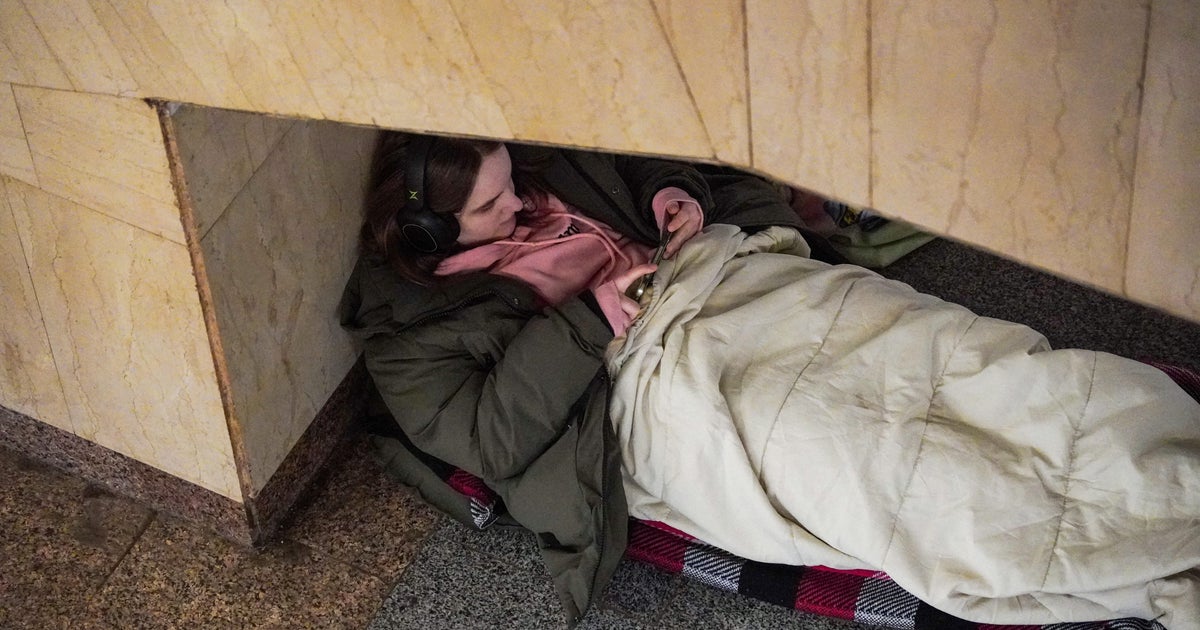
As the war approaches its fourth anniversary with no end in sight, the international community finds itself grappling with an increasingly difficult question: how long can this conflict continue before the costs become unbearable for all parties involved? The negotiations in Geneva represent a glimmer of hope that diplomacy might eventually prevail, but the vast differences between Russia’s demands and Ukraine’s red lines suggest that any breakthrough remains distant. The involvement of American mediators adds another layer of complexity, particularly given the shifting positions of different U.S. administrations on what an acceptable settlement might look like. European nations, meanwhile, must balance their support for Ukrainian sovereignty with concerns about energy security, economic impacts, and the risk of the conflict expanding beyond Ukraine’s borders. For ordinary Ukrainians sheltering in metro stations during air raids or enduring another freezing night without electricity, these diplomatic calculations must seem frustratingly abstract. They’re living with the daily reality of a war that shows no signs of ending, even as negotiators in comfortable Geneva conference rooms search for the elusive formula that might finally bring peace to their shattered homeland.