
Tragic Airstrike in Nigeria: When the Fight Against Terror Claims Innocent Lives
A Market Day Turned Deadly
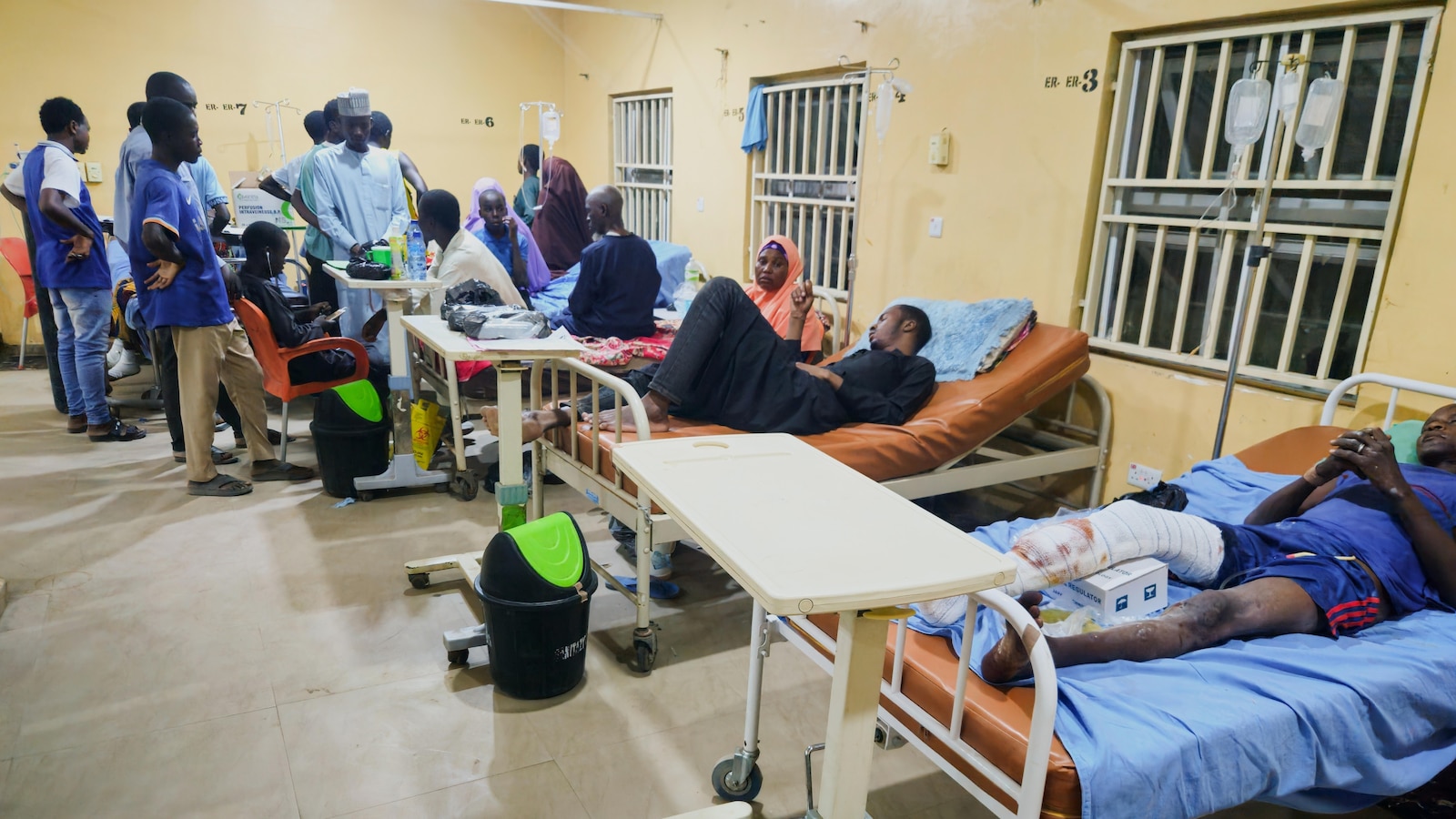
What should have been an ordinary Saturday at a bustling village market in northeastern Nigeria turned into unimaginable tragedy when a Nigerian Air Force strike intended for jihadi rebels instead struck civilians. According to Amnesty International and local media reports, more than 100 innocent people, including children, lost their lives in the airstrike that hit Yobe state, near the border with Borno state. The images emerging from the scene paint a heartbreaking picture of victims that include young children who had simply been going about their daily lives. Isa Sanusi, Nigeria’s director for Amnesty International, confirmed to The Associated Press that they have photographic evidence of the casualties and have been in direct contact with survivors, hospital staff, and those managing the aftermath of this devastating incident. At the Geidam General hospital in Yobe, at least 23 injured survivors were receiving treatment, though the final toll may be even higher. While Nigerian officials have acknowledged that something went wrong during the military operation, they have been notably reluctant to provide specific details about what exactly happened and how such a catastrophic mistake occurred.
A Pattern of Deadly Mistakes
Tragically, this isn’t an isolated incident but rather part of a disturbing pattern that has plagued Nigeria’s military operations in recent years. Since 2017, at least 500 civilians have died in similar misfires during military airstrikes, according to a tally compiled by The Associated Press. The Nigerian military frequently conducts aerial raids against armed groups who have established control over vast forest areas and remote regions throughout the country. Security analysts point to several systemic problems that contribute to these repeated tragedies: significant gaps in intelligence gathering, insufficient coordination between ground forces and air assets, and inadequate communication with local stakeholders who might have crucial information about civilian presence in targeted areas. The remote location of many of these operations, combined with the vast territories that need to be monitored, creates a challenging environment where distinguishing between civilian and militant activity becomes dangerously complicated. The market that was struck on Saturday is known to be in an area sometimes frequented by Boko Haram jihadis who use it to purchase food supplies, which may explain why it became a target, but this proximity between civilian and militant activity makes the need for precision and reliable intelligence even more critical.
The Military’s Defense and the Intelligence Dilemma
According to Abdulmumin Bulama, a member of a civilian security group that works alongside the Nigerian military in the northeast, there was intelligence suggesting that Boko Haram terrorists had gathered very close to the market area and were planning attacks on nearby communities. Bulama stated that this information was shared with military command and that the Air Force acted based on what they believed was credible intelligence. The Nigerian military issued its own statement defending the operation, describing it as a successful strike on a “terrorist enclave and logistics hub” where scores of jihadis riding motorcycles were killed. The military emphasized that motorcycles remain prohibited in conflict zones and that any such movements in restricted areas are treated with the utmost seriousness. However, the military’s statement conspicuously avoided any direct mention of civilian casualties or acknowledgment that something had gone wrong. The Yobe State Government offered a more candid assessment, confirming that while the strike was indeed targeting a Boko Haram stronghold, “some people who went to the Jilli weekly market were affected.” The careful language used by various officials—referring to those killed and injured as people who “were affected” rather than victims of a military error—highlights the sensitivity and complexity of the situation.
The Broader Security Crisis Facing Nigeria
To understand how such tragedies occur, it’s important to recognize the immense security challenges facing Nigeria, Africa’s most populous nation. The country is grappling with a multifaceted security crisis, particularly in the northern regions, where a brutal insurgency has raged for more than a decade. The most prominent threats come from Islamic militant groups, including Boko Haram and its breakaway faction known as Islamic State West Africa Province, which is affiliated with the global Islamic State organization. These groups have killed thousands of people, displaced millions from their homes, and created a climate of fear across northeastern Nigeria. Additionally, the northwestern part of the country, which borders Niger Republic, faces threats from the IS-linked Lakurawa group. Beyond the jihadi insurgency, numerous armed groups operate throughout northern Nigeria, engaging in kidnapping for ransom and other criminal activities that further destabilize communities. This complex landscape means that military forces are operating in an environment where threats can emerge from multiple directions, intelligence is often incomplete or unreliable, and distinguishing between civilians and militants becomes extraordinarily difficult, especially in remote areas where these groups blend into local populations.
Calls for Accountability and Investigation
In the aftermath of this latest tragedy, Amnesty International has issued a strong call for an independent investigation into the incident. The human rights organization has been particularly critical of what it describes as the military’s tendency to label civilian casualties as “bandits” or terrorists to justify strikes that have gone wrong. This pattern of deflection rather than accountability, Amnesty argues, perpetuates a cycle where insufficient care is taken to protect civilian lives because there are no real consequences when operations result in innocent deaths. The demand for an independent investigation is significant because it would involve external oversight rather than allowing the military to investigate itself—a process that has historically resulted in few answers and little accountability. For the survivors and the families of those killed, the question isn’t just about what went wrong on this particular Saturday, but about systemic changes that might prevent future tragedies. They want to know: Was the intelligence actually credible? Were there protocols in place to verify civilian presence before the strike? Could ground forces have been used instead of an airstrike? Were there warning systems that could have alerted civilians to evacuate? These questions go to the heart of how Nigeria conducts its counterterrorism operations and whether enough value is being placed on civilian lives in areas affected by insurgency.
The Human Cost of the War on Terror
Behind the statistics and official statements are real people whose lives have been shattered by this incident. Families who sent children to the market to buy supplies for the week, traders trying to earn a modest living, community members simply going about their daily routines—all suddenly caught in a military operation that was supposed to make them safer but instead ended their lives. The weekly market at Jilli served as a vital community gathering place and economic lifeline for people in a region already devastated by years of conflict and instability. For those who survived, the trauma will last far beyond their physical injuries. The broader impact on communities in the region cannot be overstated. When military operations meant to protect civilians instead kill them, it erodes trust in government institutions and security forces, potentially driving vulnerable populations toward the very insurgent groups the military is trying to defeat. This tragedy also highlights the impossible situation faced by civilians living in conflict zones: they need to access markets and carry on with basic life activities, yet doing so can place them in danger from both militant groups and the military operations aimed at fighting those groups. As Nigeria continues its fight against jihadi insurgency, this incident serves as a painful reminder that victory cannot be measured simply by the number of terrorists killed, but must also account for the protection of innocent lives and the preservation of the communities these operations are supposedly defending. Without meaningful accountability and systemic changes to how these operations are conducted, the cycle of tragic misfires will continue, and the human cost of Nigeria’s security crisis will keep mounting.