
Devastating Loss: School Strike in Iran Claims Lives of Students and Teachers
Tragic Toll on Educational Institutions
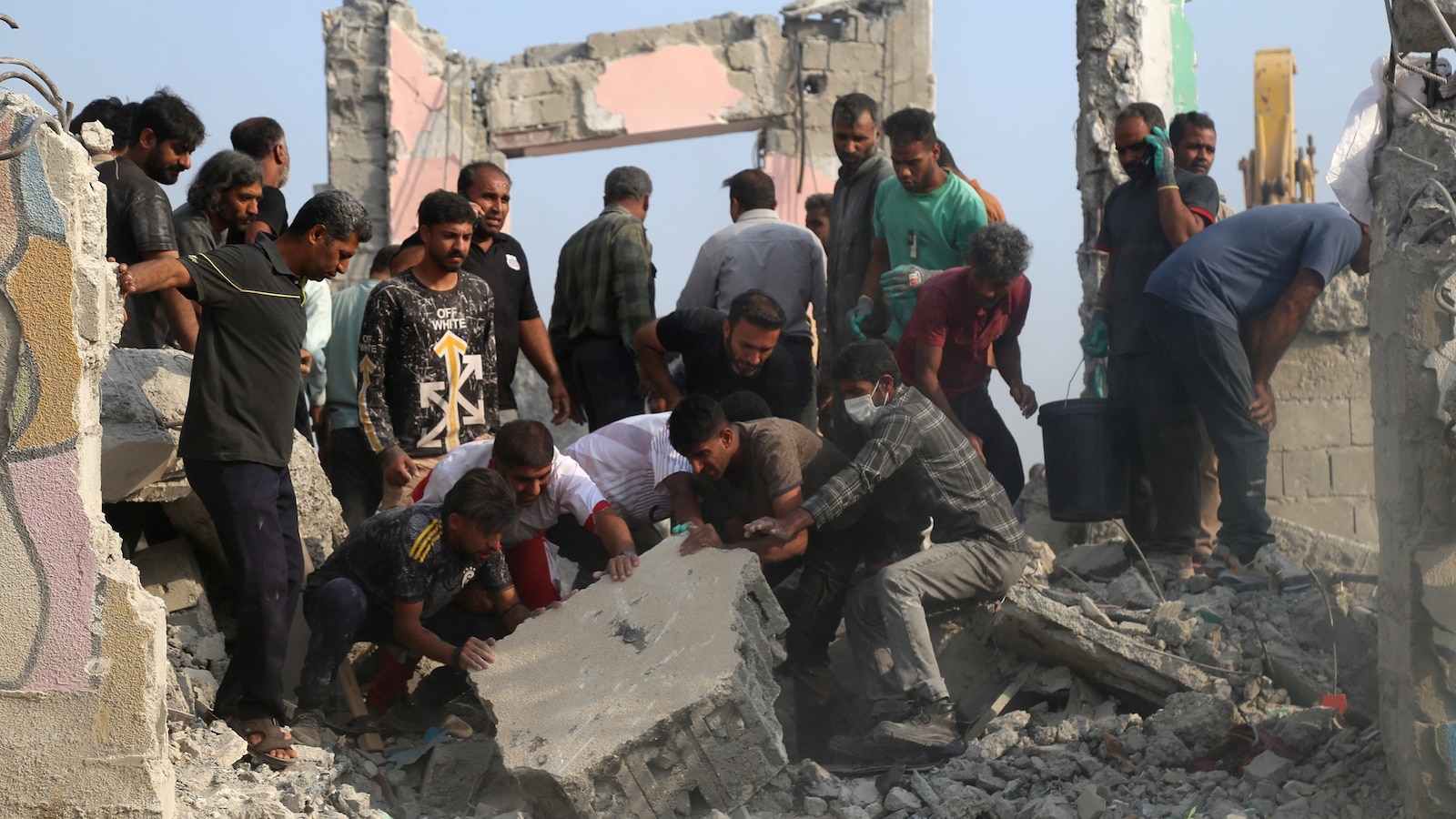
The Iranian education ministry has reported heartbreaking casualties following recent military strikes, with 186 students and teachers killed and 114 injured since U.S.-Israeli military operations commenced over the weekend. The devastating impact on Iran’s educational infrastructure has been severe, with approximately 20 education centers either sustaining significant damage or being completely destroyed in the attacks. The loss of life represents not just numbers but young students with dreams and educators dedicated to shaping future generations, creating a humanitarian crisis that has shocked communities across Iran and drawn international attention to the protection of civilian spaces during military conflicts.
The most catastrophic single incident occurred at the Shajare Tayyiba Elementary School, an all-girls elementary school located in Minab, a city in southern Iran. According to Iranian officials, this one strike alone accounted for 168 of the total deaths—young girls who were simply attending school when their lives were cut short. The targeting of this school has become a focal point of outrage and grief, with images of small coffins and photographs of children circulating through media channels, serving as a stark reminder of war’s most innocent victims. The scale of loss at this single institution represents an almost unimaginable tragedy for the community of Minab, where nearly every family has been touched by this devastating event.
Conflicting Accounts and Calls for Investigation
The aftermath of the school strike has been marked by conflicting statements from the parties involved. While Iran has directly blamed the United States and Israel for the attack on the elementary school, an Israel Defense Forces (IDF) spokesperson told ABC News correspondent Ian Pannell that “so far we have found no connection to any IDF activity.” This denial has created confusion about accountability and raised urgent questions about what exactly happened and who is responsible for the deaths of these children and educators. During a Pentagon press briefing on Wednesday, Defense Secretary Pete Hegseth acknowledged that an investigation is currently underway, though he maintained that U.S. forces “never target civilian targets.”
Secretary of State Marco Rubio further clarified the stated objectives of U.S. military operations during the same briefing, emphasizing that American forces were focused on “missiles, both the ability to manufacture them and the ability to launch them, and the one-way attack drones.” Rubio insisted that “we would have no interest, and frankly no incentive, to target civilian infrastructure,” and stated on Monday that U.S. forces “would not deliberately target a school.” He also made counter-allegations, claiming that Iranian forces have been targeting civilian infrastructure including airports, hotels, and embassies. These statements highlight the complex nature of modern warfare and the challenge of determining responsibility when military operations result in civilian casualties, particularly when multiple nations are conducting coordinated strikes.
A Nation in Mourning
The human cost of this tragedy became painfully visible through images broadcast on Iranian state television showing funerals for the victims of the Minab school strike. Mourners, many of them parents who had sent their daughters to school that morning never to see them return home, carried photographs of the children through the streets. The processions featured people waving flags as they walked alongside vehicles transporting small coffins—a heartbreaking sight that speaks to the profound grief gripping these communities. These weren’t just victims of war; they were daughters, sisters, students, and beloved members of their families and communities who had their futures stolen in an instant.
The emotional scenes from these funerals have resonated far beyond Iran’s borders, humanizing the statistics and reminding the world that behind every casualty figure are real people with families who loved them. Teachers who dedicated their lives to education, young girls who had dreams of becoming doctors, engineers, artists, or teachers themselves—all lost in a moment of violence. The collective trauma experienced by the surviving students, families, and the broader community of Minab will likely reverberate for generations, affecting not just those directly impacted but the entire social fabric of the region.
International Response and Legal Implications
Humanitarian and aid organizations have swiftly responded to the tragedy by calling for thorough investigations into the deadly school strike. The International Federation for Human Rights, one of the world’s oldest and most respected human rights organizations, issued a strong statement accusing the United States and Israel of violating international law related to self-defense and international humanitarian law. The organization specifically mentioned attacks on protected civilian spaces such as schools and hospitals, which are afforded special protections under international conventions designed to minimize civilian suffering during armed conflicts.
The statement from the International Federation for Human Rights demanded that “all alleged violations—including indiscriminate or disproportionate attacks, deliberate targeting of civilians or civilian infrastructure, and attacks on medical facilities and schools—must be promptly, independently, and transparently investigated.” Furthermore, the organization insisted that “where evidence of war crimes or other serious violations is found, those responsible, regardless of rank or official capacity, must be held accountable in accordance with international law.” This call for accountability extends to the highest levels of military and political leadership, emphasizing that international humanitarian law applies to everyone, from ground-level soldiers to commanding officers and political leaders who authorize military operations.
The Question of War Crimes and Path Forward
The United Nations has weighed in on the controversy with equally serious concerns. On Tuesday, Ravina Shamdasani, spokesperson for the U.N.’s High Commissioner for Human Rights, characterized the school strike as “devastating” and stated that it may amount to war crimes if investigations determine that it targeted civilians or was carried out indiscriminately in violation of international law. This assessment carries significant weight in the international community and could potentially lead to formal investigations by international criminal tribunals if evidence supports the allegations. The designation of an attack as a potential war crime is not made lightly and reflects the severity of the incident and the need for accountability.
As special coverage continues on programs like ABC’s Nightline with their “War with Iran” series, available on ABC and streaming platforms Disney+ and Hulu, the world watches to see how this investigation unfolds and whether accountability will be achieved for the children and teachers who lost their lives. The incident raises fundamental questions about the conduct of modern warfare, the protection of civilians, and the responsibility of nations to ensure that military operations distinguish between legitimate military targets and protected civilian spaces like schools. As investigations proceed, the international community must grapple with how to prevent such tragedies in the future and ensure that those responsible for violations of international humanitarian law face appropriate consequences. For the families in Minab and across Iran who lost loved ones, no investigation or accountability measure can bring back those who were killed, but justice and acknowledgment of wrongdoing may provide some measure of closure and help prevent future generations from suffering similar fates.