
Wave of Arson Attacks Targets Jewish Communities Across North London
Another Night, Another Attack
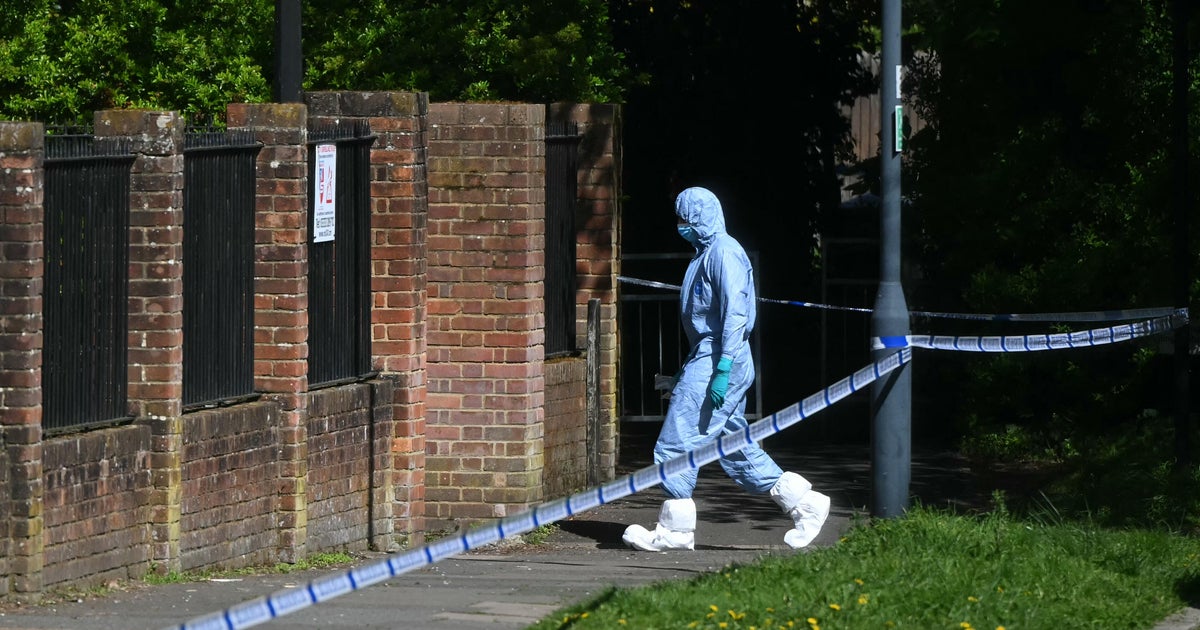
The Jewish community in North London faced yet another terrifying night as arsonists struck a synagogue in Harrow, marking the third such attack within a single week. Early Sunday morning, officials discovered smoke damage at the Kenton United Synagogue after someone had thrown a bottle containing an accelerant through a window. Metropolitan Police officers first noticed the broken window on Saturday night, and upon closer inspection, they saw smoke billowing from inside one of the rooms. Fortunately, no one was injured in this incident, but the psychological impact on the community has been profound. The Community Security Trust, an organization dedicated to providing safety guidance to Jewish groups throughout Britain, confirmed the details of the attack. By Sunday morning, the scene had been cordoned off, with forensic officers and law enforcement personnel combing through evidence, trying to piece together what happened and who might be responsible for this disturbing pattern of violence.
A Pattern of Escalating Violence
This latest incident is part of a deeply concerning trend that has seen multiple Jewish sites targeted across London in recent weeks. Just the night before, on Friday, arsonists attacked a building in Hendon that previously housed a Jewish charity. Earlier in the week, on Wednesday, police arrested two individuals connected to an arson attack on a synagogue in Finchley, another neighborhood in north London. Going back to late March, four ambulances belonging to the Jewish community were deliberately set on fire in Golders Green. The frequency and geographic spread of these attacks suggest a coordinated campaign rather than random acts of violence. Counterterrorism officers from London’s Metropolitan Police have taken over the investigations, treating these incidents with the utmost seriousness they deserve. In response to this escalating threat, police have significantly increased their presence and patrols in neighborhoods with substantial Jewish populations, hoping to both deter further attacks and reassure frightened community members who are understandably anxious about their safety.
Community Leaders Sound the Alarm
Britain’s Chief Rabbi Ephraim Mirvis didn’t mince words when responding to these attacks, characterizing them as evidence of a “sustained campaign of violence and intimidation against the Jewish community in the UK” that is clearly “gathering momentum.” His statement on social media carried an urgent warning that resonated far beyond the Jewish community. “Thank God, no lives have been lost,” he wrote, “but we cannot, and must not, wait for that to change before we understand just how dangerous this moment is for all of our society.” Rabbi Mirvis’s words reflect the deep concern within the Jewish community that these attacks represent not just property damage but a fundamental threat to their sense of security and belonging in Britain. His message also emphasized that this isn’t solely a Jewish issue—it’s a test of British society’s commitment to protecting all its citizens and standing against hatred in all its forms. The fear is palpable among Jewish families, many of whom are now questioning whether they can safely attend synagogue services or send their children to Jewish schools.
Government Response and Condemnation
Prime Minister Keir Starmer issued a strong condemnation of the attacks, stating he was “appalled” by the targeting of Jewish sites across London. In his statement posted on social media platform X, Starmer made clear that such violence has no place in British society: “This is abhorrent and it will not be tolerated. Attacks on our Jewish community are attacks on Britain.” His words sought to send a message both to the perpetrators and to the Jewish community—that the government stands firmly against this violence and views it as an assault on British values themselves. Starmer pledged that authorities “will not rest in the pursuit of perpetrators,” promising a comprehensive effort to identify, arrest, and prosecute those responsible for these hate crimes. This strong political backing is crucial, as the Jewish community needs to know that law enforcement has the resources and support necessary to protect them. However, words must be followed by action, and many in the community are watching closely to see whether increased security measures and investigations will actually result in arrests and convictions that might deter future attacks.
A Shadow From Abroad
Adding another layer of concern to these attacks is the claim of responsibility by Harakat Ashab al-Yamin al-Islamiya, a relatively unknown group with reported connections to Iran. According to SITE Intelligence Group, which monitors extremist activity online, this organization has claimed responsibility for many of the recent attacks targeting Jewish sites in London. Even more troubling, the same group has previously claimed similar attacks against Jewish communities in Belgium and the Netherlands, suggesting a coordinated transnational campaign of intimidation and violence. The involvement of a group with alleged ties to a foreign state raises serious questions about whether these are purely domestic hate crimes or part of a broader geopolitical strategy to intimidate Jewish communities across Europe. This international dimension has undoubtedly contributed to the decision to involve counterterrorism police in the investigations rather than treating these as ordinary criminal cases. The possibility that these attacks are being directed, funded, or inspired from abroad adds complexity to the security challenge facing British authorities and underscores the need for international cooperation in combating this threat.
A Community Under Siege
The statistics paint a grim picture of what Jewish people in Britain are facing right now. The Community Security Trust has documented an astounding 3,700 antisemitic incidents across the United Kingdom in 2025 alone—the second-highest total the organization has ever recorded. This number represents not just statistics but thousands of real people who have experienced harassment, threats, vandalism, or violence simply because they are Jewish. These incidents range from verbal abuse on the street to graffiti on synagogues to the kinds of serious arson attacks we’ve seen this week. For members of the Jewish community, particularly in areas like north London where these recent attacks have concentrated, there’s a growing sense of being under siege. Parents worry about their children’s safety at Jewish schools, congregants think twice before attending Shabbat services, and many are taking down mezuzahs from their doorways or removing other visible signs of their Jewish identity. This retreat into invisibility represents a tragic victory for those seeking to intimidate and terrorize. Yet the community has also shown remarkable resilience, with many refusing to be cowed by these attacks and instead increasing their visible participation in Jewish life as an act of defiance. The coming weeks and months will test whether British society can rally to protect one of its minority communities and demonstrate that hatred and violence have no place in a diverse, democratic nation.