


Tragic Alpine Death Leads to Manslaughter Conviction in Austria
A Fatal Climb on Austria’s Highest Peak
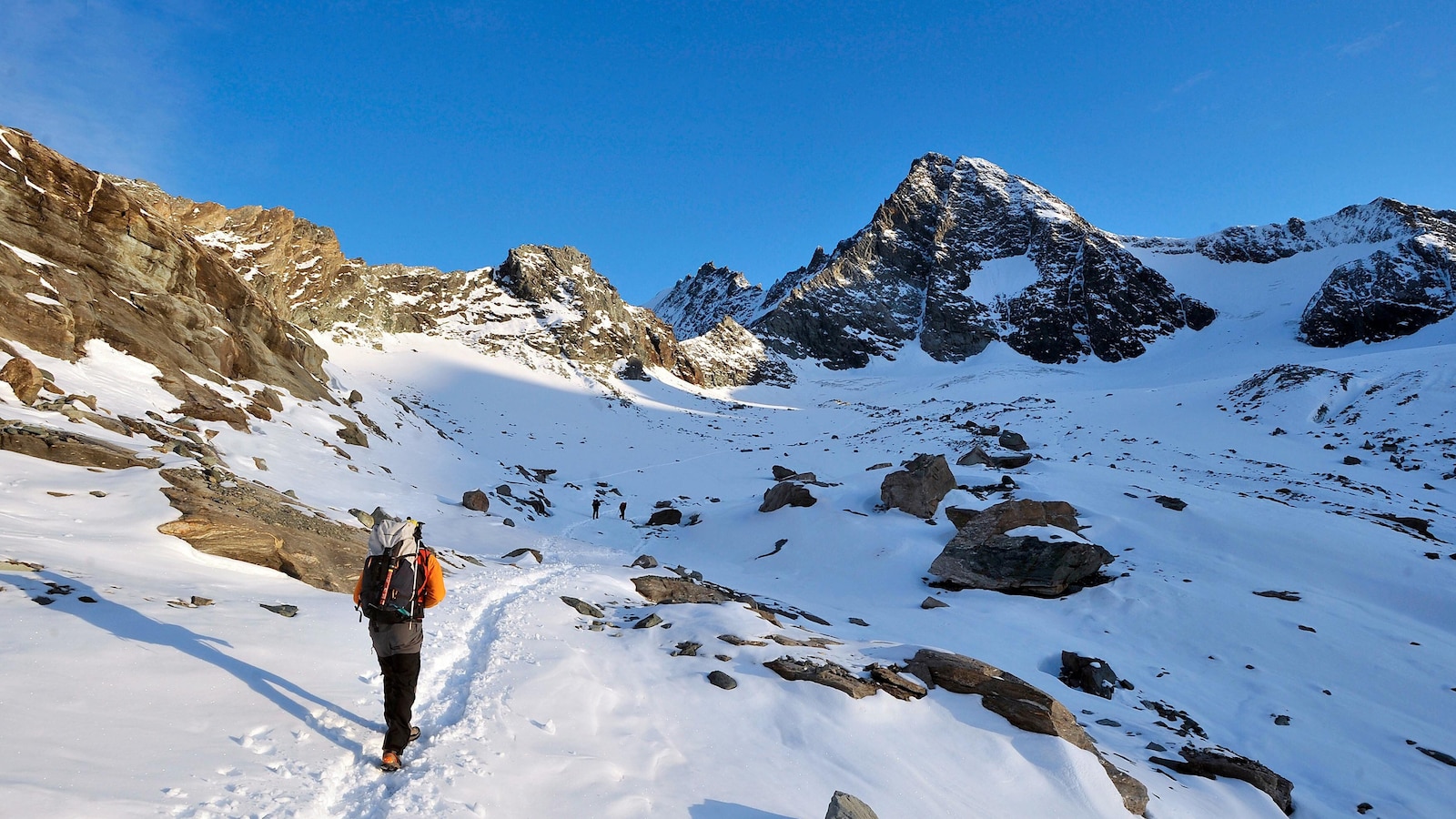
In a heartbreaking case that has captured public attention across Austria and beyond, a 37-year-old man has been convicted of manslaughter through gross negligence following the death of his girlfriend during a winter mountaineering expedition. The tragic incident occurred in January 2025 when the couple attempted to summit Grossglockner, Austria’s tallest mountain, standing at an imposing 3,798 meters (12,460 feet) above sea level. The woman, aged 33, died from hypothermia approximately 50 meters (164 feet) below the peak after her partner left her behind to seek help. The Innsbruck state court delivered its verdict after a single day of trial proceedings, sentencing the defendant to a five-month suspended prison term along with a fine of 9,600 euros (approximately $11,300). While the conviction represents a legal acknowledgment of responsibility, the sentence fell far short of the maximum three-year prison term possible for such an offense, reflecting the court’s nuanced view of the circumstances surrounding this mountain tragedy.
The Court’s Balanced Judgment
Judge Norbert Hofer, presiding over the case, delivered a verdict that attempted to balance accountability with compassion, recognizing the complex circumstances that led to the woman’s death. In his remarks from the bench, Judge Hofer explicitly rejected the characterization of the defendant that had circulated on social media platforms, where armchair critics had painted him as a callous individual who deliberately abandoned his partner. “I don’t see you as a murderer, I don’t see you as a cold-hearted man,” the judge stated, directly addressing both the defendant and the court of public opinion that had formed around the case. Instead, Judge Hofer acknowledged that the defendant had ultimately attempted to call for help and had tried to stand by his girlfriend during the crisis. However, this compassionate view was tempered by a critical assessment of the defendant’s actions and decisions. The judge determined that the man had fundamentally “misjudged the situation on the mountain” and, more significantly, had failed in what Hofer termed his “leadership responsibility.” This concept of leadership responsibility proved central to the conviction, as the judge noted a significant disparity in mountaineering experience between the couple, stating that the girlfriend’s knowledge of mountaineering was “galaxies” short of her partner’s expertise. This experience gap, in the court’s view, placed a greater burden on the more experienced climber to make sound decisions and protect his less experienced companion.
What the Court Says Could Have Prevented the Tragedy
Perhaps the most poignant aspect of Judge Hofer’s verdict was his assessment that the woman’s death was preventable—a conclusion that undoubtedly added weight to the defendant’s conviction and will likely haunt all involved for years to come. According to the judge’s analysis of the evidence and circumstances, the victim would “almost certainly have survived” if appropriate measures had been taken during the critical hours on the mountain. The court identified several specific actions that could have altered the outcome of that fateful day. Making an emergency call earlier in the expedition, when conditions began to deteriorate or when the woman first showed signs of distress, could have brought professional rescue teams to the scene while there was still time to save her life. Similarly, the decision to turn back before reaching such a critical altitude—abandoning the summit attempt in favor of safety—represented another missed opportunity that could have prevented the tragedy. These observations from the bench highlight a fundamental principle of mountain safety: summit fever, the compelling psychological drive to reach a peak despite deteriorating conditions, has claimed countless lives throughout mountaineering history. The court’s analysis suggests that this couple, or at least the more experienced partner, may have fallen victim to this dangerous mindset, prioritizing the achievement of reaching the summit over the prudent decision to retreat when conditions became hazardous.
The Defendant’s Account and Defense
Throughout the trial, the defendant maintained his innocence on the manslaughter charges, though he expressed profound remorse for the outcome of the climb that claimed his girlfriend’s life. “I am endlessly sorry,” he told the court, according to reports from the Austria Press Agency, words that likely reflected genuine grief over losing his partner in such traumatic circumstances. His defense rested on several key arguments that challenged the prosecution’s characterization of the events and his culpability. Central to his position was the assertion that all decisions regarding the climb were made jointly as a couple, not unilaterally by him as the supposedly more experienced mountaineer. He maintained that they had planned their climbs together, including the ill-fated Grossglockner expedition, suggesting a partnership of equals rather than a leader-follower dynamic. Contradicting the judge’s assessment of the experience gap between the couple, the defendant argued that he himself had received no formal Alpine training and that his girlfriend’s mountaineering knowledge wasn’t substantially inferior to his own. This claim, if accurate, would undermine the court’s theory of “leadership responsibility” based on superior expertise. The defendant also described puzzling aspects of his girlfriend’s deterioration that he claimed he couldn’t explain. He noted that earlier in the climb, when a police helicopter flew over their position, his girlfriend had appeared to be in good physical condition, making her subsequent rapid decline all the more shocking and unexpected. According to his testimony, the decision for him to descend alone to seek help was made after consultation with his girlfriend, presenting it as a mutual decision rather than an abandonment. This account suggests a scenario where both climbers believed that splitting up represented their best chance of survival, with him descending quickly to summon rescue services while she conserved energy at altitude.
The Broader Context of Winter Alpine Climbing
This tragic case brings into sharp focus the extraordinary dangers of winter mountaineering in the Alps, particularly on major peaks like the Grossglockner during the harsh month of January. Winter conditions in the high Alps present challenges that multiply the already significant risks of summer climbing: temperatures that can plummet to life-threatening levels within minutes, unpredictable weather systems that can transform conditions from manageable to deadly, reduced daylight hours that compress the window for safe climbing, and snow and ice conditions that require advanced technical skills and proper equipment. The Grossglockner, while iconic and alluring as Austria’s highest point, demands respect and thorough preparation under any circumstances, but winter ascents require an even higher level of expertise, equipment, and judgment. The mountain’s elevation places its summit well into the zone where altitude sickness becomes a concern, where weather is notoriously unstable, and where temperatures are consistently below freezing. For climbers without extensive winter Alpine experience and proper training, attempting such a peak represents a significant gamble with their lives. This case also raises questions about the informal nature of much recreational mountaineering, where individuals or couples may undertake serious climbs without formal certification, professional guides, or adequate safety protocols. While mountaineering has traditionally valued personal freedom and self-reliance, the tragic outcome of this climb illustrates how that freedom carries profound responsibilities, particularly when less experienced partners are involved.
Legal Precedent and the Right to Appeal
The conviction in this case represents an interesting intersection of criminal law and mountaineering culture, where courts must grapple with questions of individual responsibility in inherently dangerous recreational activities. The charge of manslaughter through gross negligence required prosecutors to prove that the defendant’s actions (or failures to act) fell below the standard of care that a reasonable person would exercise in similar circumstances, and that this negligence directly caused the victim’s death. The relatively lenient sentence—a suspended five-month term combined with a financial penalty—suggests the court’s recognition that this was not a case of malicious intent or reckless disregard for human life, but rather a tragic series of poor decisions made in extremely challenging circumstances. A suspended sentence means the defendant will not serve prison time unless he commits another offense during a probationary period, allowing him to maintain his freedom while carrying the weight of this conviction. However, the legal proceedings may not be concluded, as Austrian law permits the verdict to be appealed by either the defense or prosecution. The defendant may choose to appeal the conviction itself or the severity of the sentence, while prosecutors could theoretically appeal if they believe the sentence was too lenient, though this seems less likely given the circumstances. As this case potentially moves through the appeals process, it will continue to serve as a somber reminder of the responsibilities that come with leading or accompanying others into the high mountains, and the devastating consequences when judgment fails in the unforgiving alpine environment.