
The Death of Iran’s Supreme Leader: A Turning Point in Middle Eastern History
The Announcement That Shook the World
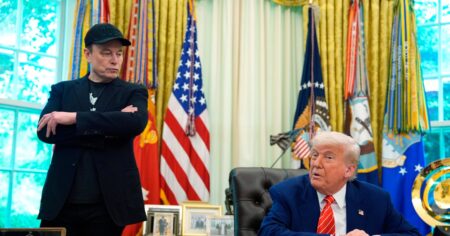
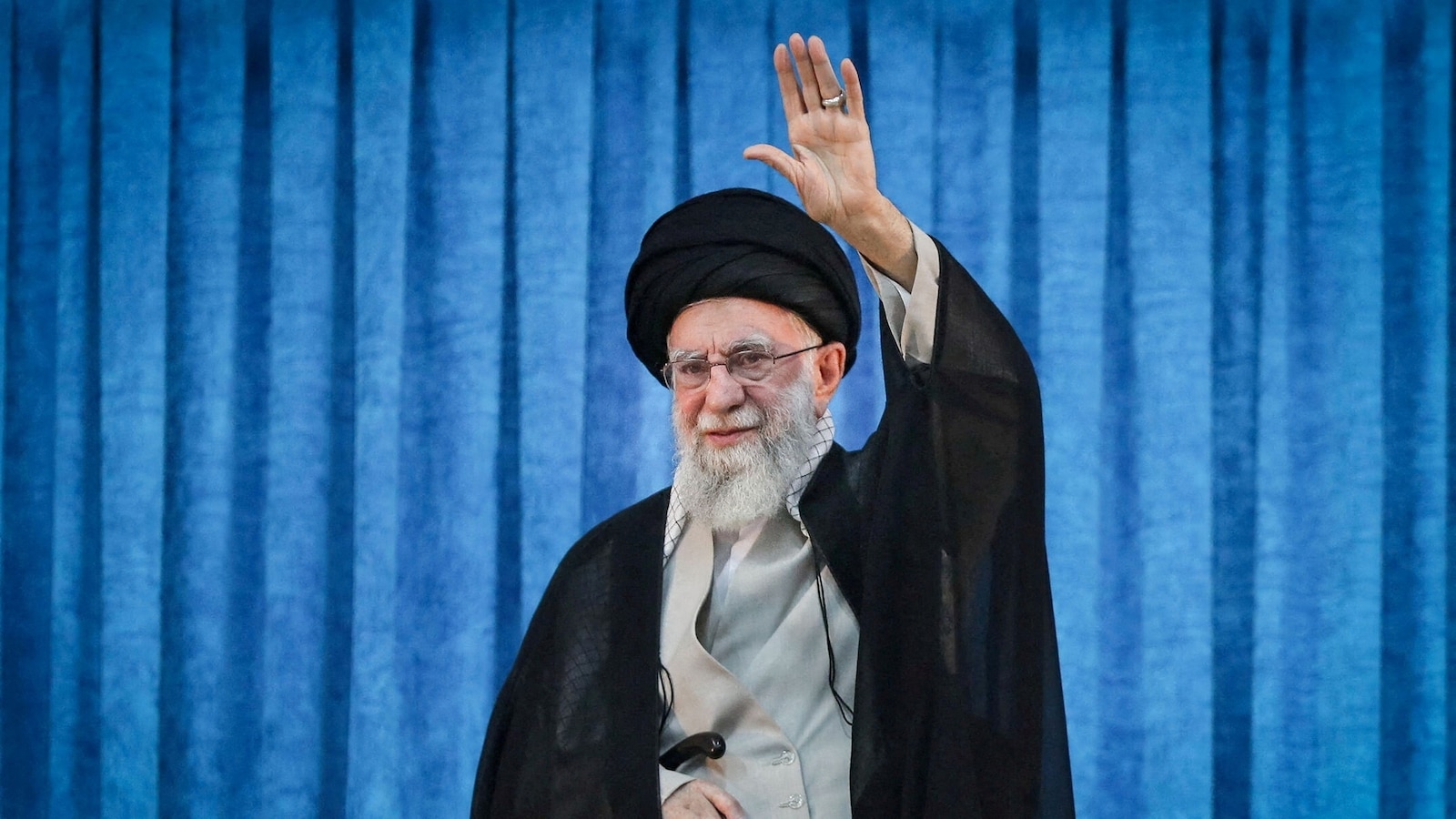
The world witnessed a seismic shift in Middle Eastern politics when President Donald Trump announced the death of Ayatollah Ali Khamenei, Iran’s supreme leader for over three decades, following a U.S.-Israeli military operation on Saturday. Trump’s social media statement framed the event as a moment of justice, declaring it significant not only for the Iranian people but for Americans and victims worldwide who had suffered under Khamenei’s leadership. The president’s characterization of Khamenei and his administration as “bloodthirsty THUGS” reflected the deep animosity that had defined U.S.-Iranian relations for decades. Iranian state television confirmed the death later that evening, marking the end of an era that began in 1989 when Khamenei assumed the country’s highest position of power. The confirmation sent shockwaves through Tehran and beyond, where the implications of this leadership vacuum began to immediately unfold. At 86 years old, Khamenei had been one of the world’s longest-serving leaders, having guided Iran through tumultuous periods of international sanctions, regional conflicts, and internal political struggles that shaped the modern Middle East.
A Leader Forged in Revolution
Ayatollah Ali Khamenei’s journey to becoming Iran’s supreme leader was deeply rooted in the revolutionary fervor that transformed Iran in the late 1970s. Born in Mashhad, Iran, Khamenei pursued religious studies to become a cleric, eventually emerging as a pivotal figure in the Iranian revolution that overthrew Mohammad Reza Pahlavi, the country’s last shah. His commitment to the revolutionary cause came at personal cost—he was arrested and exiled for three years during Pahlavi’s reign, an experience that hardened his resolve and deepened his opposition to Western influence in Iran. After the 1979 revolution successfully deposed the shah, Khamenei rose through the ranks of the new Islamic Republic’s leadership structure. He served as Iran’s president from 1981 to 1989, demonstrating the political acumen and religious credentials that would later make him the natural choice to succeed Ayatollah Ruhollah Khomeini, the revolution’s founding father and Iran’s first supreme leader. When Khomeini died in 1989 after a decade of rule, Khamenei was hand-picked as his successor, stepping into a role that the Iranian constitution designates as effectively a lifetime position, according to analysis from the Council on Foreign Relations, a Washington D.C.-based think tank.
Three Decades of Unwavering Authority
For 37 years, Khamenei wielded enormous power over virtually every aspect of Iranian political, economic, and social life. As supreme leader, he held authority over the military, judiciary, and state media, with the final say on all matters of domestic and foreign policy. His tenure witnessed Iran’s continued isolation from much of the Western world, the tightening of international sanctions over the country’s nuclear program, and periodic escalations with regional rivals, particularly Israel and Saudi Arabia. Despite international pressure and domestic challenges, Khamenei maintained an uncompromising stance on Iran’s sovereignty and resistance to what he characterized as Western imperialism. During the Iran-Israel conflict that intensified in 2025, Khamenei demonstrated his characteristic defiance, vowing that Iran would never surrender to external pressure. “War will be met with war, bombing with bombing, and strike with strike. Iran will not submit to any demands or dictates,” he declared in comments published by Tasnim, Iran’s semiofficial state news agency, on June 17, 2025. This hardline rhetoric exemplified the leadership style that defined his decades in power—uncompromising, rooted in revolutionary ideology, and resistant to accommodation with Iran’s adversaries.
The Immediate Aftermath and Public Reaction
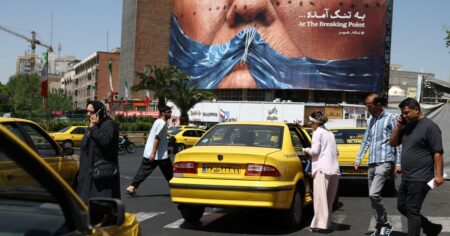
The confirmation of Khamenei’s death triggered immediate and varied reactions throughout Tehran and across Iran. Witnesses reported that loud cheers echoed through parts of the capital, with residents taking to their windows to applaud and play celebratory music upon hearing the news. This spontaneous public celebration revealed the complex relationship many Iranians had with their supreme leader—while some remained loyal to the revolutionary ideology he represented, others had grown weary of the economic hardship, international isolation, and political restrictions that characterized his rule. The jubilant response in some quarters reflected years of accumulated frustration with policies that many ordinary Iranians blamed for their country’s economic struggles and diplomatic isolation. However, the reaction was far from uniform across the nation. In more conservative areas and among the revolutionary faithful, Khamenei’s death was mourned as the loss of a spiritual and political guide who had steered Iran through decades of external threats and internal challenges. This division in public sentiment underscored the deep fault lines within Iranian society—between reformists and conservatives, between younger generations seeking greater openness and older revolutionaries committed to the Islamic Republic’s founding principles, and between those prioritizing economic prosperity and those valuing ideological purity above material concerns.
The Uncertain Path Forward
Perhaps the most pressing question facing Iran and the international community is what comes next for the Islamic Republic. No successor to Khamenei has been publicly named, leaving a significant power vacuum at the very top of Iran’s political structure. Historically, the selection of a supreme leader involves the Assembly of Experts, an 88-member body of senior clerics elected by popular vote, though the process is influenced by various power centers within Iran’s complex governance system. President Trump has indicated that his administration expects to have input into installing new leadership in Iran, though he has not publicly detailed what form this involvement might take or how it would be implemented. This suggestion of external influence in Iran’s leadership selection represents a dramatic departure from the country’s established constitutional processes and is likely to face significant resistance from Iran’s religious and political establishment. The situation remains highly volatile, with competing factions within Iran potentially vying for influence in determining the country’s future direction. The coming days and weeks will be critical in determining whether Iran experiences an orderly transition, internal power struggles, broader political upheaval, or some combination of these scenarios that could reshape not only Iran but the entire Middle Eastern geopolitical landscape.
Historical Implications and Global Ramifications
The death of Ayatollah Ali Khamenei marks more than just the end of one man’s life—it represents a potential turning point in the history of the Islamic Republic and Middle Eastern politics more broadly. Khamenei was the last direct link to the 1979 revolution, having been personally chosen by Ayatollah Khomeini himself and having shaped Iran’s trajectory for nearly four decades. His passing closes a chapter that began with the shah’s overthrow and continued through the Iran-Iraq War, various nuclear negotiations, the Arab Spring, regional proxy conflicts, and countless confrontations with Western powers. The manner of his death—in what President Trump described as a U.S.-Israeli operation—will likely influence how this moment is remembered and how Iran’s future leadership positions itself relative to the United States and Israel. For Iran’s population, particularly younger generations who have known no other supreme leader, this moment presents both uncertainty and possibility. The international community watches closely as events unfold, aware that Iran’s direction in the post-Khamenei era will have profound implications for regional stability, nuclear non-proliferation efforts, global energy markets, and the broader balance of power in the Middle East. Whether this moment leads to dramatic transformation, subtle evolution, or determined continuity of existing policies remains to be seen, but its historical significance is undeniable. The world has entered uncharted territory in its relationship with Iran, and the decisions made in the coming period will echo for decades to come.