
Diplomatic Efforts Underway for Extradition of Suspects in Bangladesh Activist’s Murder
Background of the Case and Arrest in India
The tragic killing of Sharif Osman Hadi, a prominent Bangladeshi political activist and youth leader, has taken a significant turn with the arrest of two suspects in neighboring India. On a Sunday raid in Bongaon, a city located in West Bengal’s North 24 Parganas district near the Bangladesh border, Indian special police forces apprehended Faisal Karim Masud and Alamgir Hossain, both Bangladeshi nationals wanted in connection with the December 12 shooting. The incident occurred in Dhaka, Bangladesh’s capital city, where Hadi was gunned down in what appeared to be a targeted attack. Following the shooting, the critically injured activist was transported to Singapore for advanced medical treatment, but despite efforts to save his life, he succumbed to his injuries on December 18. The arrest has brought renewed focus to the case that had sparked widespread protests and civil unrest across Bangladesh, with an Indian court ordering the suspects to be held for questioning as investigations continue into the circumstances surrounding this politically charged murder.
The Victim’s Role in Bangladesh’s Political Landscape
Sharif Osman Hadi was much more than just another political activist in Bangladesh’s complex political environment. He served as a student leader and spokesperson for Inquilab Mancha, a youth organization dedicated to promoting cultural revolution in the country. Hadi gained prominence during the 2024 political uprising that dramatically ended former Prime Minister Sheikh Hasina’s lengthy 15-year rule over Bangladesh. His participation in this movement made him a recognizable figure among young people and those seeking political change in the nation. Known for his fierce criticism of both India and the former Prime Minister, Hadi built a substantial following, particularly among young Bangladeshis and Islamic-oriented groups who resonated with his message. However, his rise to prominence was not without controversy. Liberal segments of Bangladeshi society accused him of promoting radical viewpoints, creating a polarized perception of his activism. Despite these divisions in opinion, his violent death shocked the nation and became a rallying point for protests, demonstrating the significant impact he had on Bangladesh’s youth movement and the broader political discourse in the country.
National Response and Protests Following the Murder
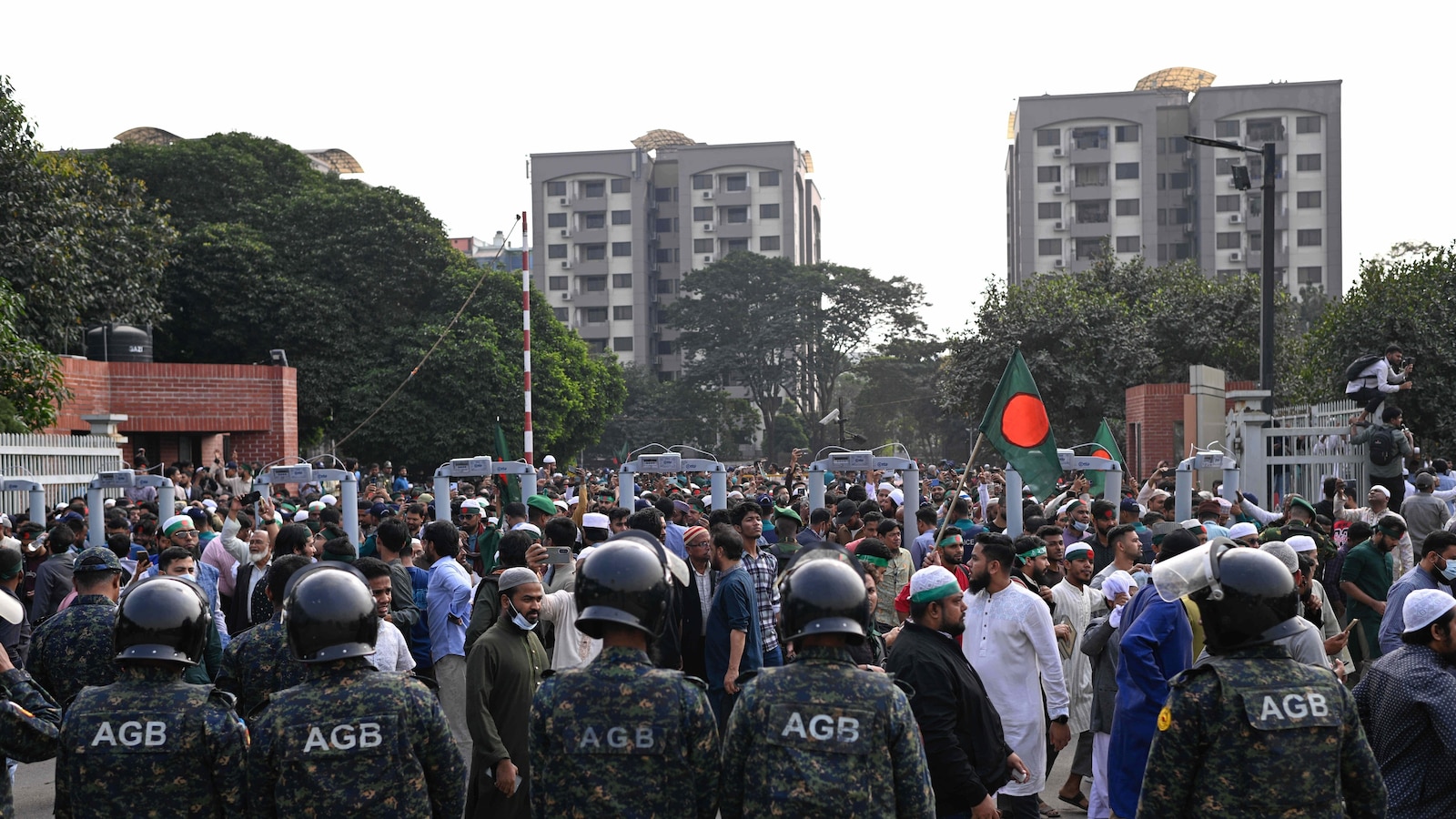
The assassination of Sharif Osman Hadi triggered an immediate and intense reaction across Bangladesh, with protests erupting in multiple cities as news of his death spread. The capital city of Dhaka became the epicenter of demonstrations as furious supporters took to the streets to express their outrage over the killing. The protests quickly escalated beyond peaceful demonstrations, with angry crowds attacking the offices of two of Bangladesh’s leading daily newspapers, highlighting the volatile emotions surrounding the case. Hadi’s supporters were quick to assign blame, pointing fingers at both India and former Prime Minister Sheikh Hasina, who had fled to India following her ousting during the August 2024 mass uprising. These accusations were based on Hadi’s vocal criticism of both parties, leading many to believe the killing was politically motivated retaliation. The widespread nature of the protests demonstrated not only Hadi’s influence among his followers but also the deep political divisions that continue to characterize Bangladesh in the post-Hasina era. The incident became symbolic of larger tensions between different political factions in the country and strained diplomatic relations with neighboring India, where the former prime minister had sought refuge.
Bangladesh’s Official Response and Extradition Efforts
Bangladesh’s law enforcement and diplomatic apparatus have been actively working to bring the suspects to justice through official channels. Inspector General of Police Mohammed Ali Hossain Fakir addressed the situation on Monday, confirming that diplomatic efforts were underway to facilitate the transfer of the two arrested suspects from India to Bangladesh. He indicated that the Ministry of Foreign Affairs was leveraging the existing extradition treaty between Bangladesh and India to ensure the suspects would face trial in Bangladesh for their alleged crimes. The police chief’s statement came after Bangladeshi authorities had previously identified the suspects but believed they had fled the country following the murder. This international dimension to the case has added complexity to the investigation and prosecution efforts, requiring coordination between law enforcement agencies in both countries. The fact that the suspects were apprehended in the border area of Bongaon, apparently preparing to cross back into Bangladesh, suggests they may have been moving between the two countries, complicating jurisdictional questions and highlighting the porous nature of the Bangladesh-India border in certain regions.
Diplomatic Challenges and Consular Access Issues
Adding another layer to the already complex situation, Bangladesh’s junior minister for foreign affairs, Shama Obaed, spoke publicly on Monday about the procedural and diplomatic challenges facing the extradition process. She emphasized that Bangladesh expected full cooperation from India regarding both consular access to the detained suspects and their subsequent extradition to face charges in Bangladesh. The minister stressed that consular access was not merely a formality but a necessary step to allow Bangladeshi officials to confirm the identities of the arrested individuals, ensuring that the right people are being held and prosecuted for the crime. Her statement that “Bangladesh is waiting for response from India” indicates that as of Monday, formal diplomatic communications were still ongoing, and the process of transferring the suspects had not yet been finalized. This waiting period reflects the sometimes slow-moving nature of international legal cooperation, even between neighboring countries with established extradition treaties. The diplomatic aspects of this case are particularly sensitive given the current political climate, with former Prime Minister Hasina residing in India and accusations from Hadi’s supporters that both India and the former leader were somehow involved in the killing, adding potential political complications to what would otherwise be a straightforward law enforcement cooperation matter.
Broader Implications and Regional Political Context
The murder of Sharif Osman Hadi and the subsequent arrest of suspects in India must be understood within the broader context of Bangladesh’s recent political transformation and its relationship with neighboring India. The 2024 uprising that ended Sheikh Hasina’s 15-year rule represented a seismic shift in Bangladeshi politics, creating new power dynamics and unleashing previously suppressed political voices and movements. Hadi emerged as one of the prominent figures in this new political landscape, using his platform to criticize not only the former government but also India’s role in regional politics and its relationship with the Hasina administration. His ability to build a strong following among youth and Islamist groups demonstrated the changing nature of political activism in post-uprising Bangladesh. The fact that he was targeted for assassination and that the alleged perpetrators fled to India has fueled conspiracy theories and anti-India sentiment among certain segments of Bangladeshi society, potentially complicating bilateral relations at a critical time. The extradition process will be closely watched as a test of whether India and Bangladesh can cooperate effectively on law enforcement matters despite political tensions and the controversial presence of the former Bangladeshi leader on Indian soil. How both countries handle this case may set important precedents for future cooperation and could either help stabilize or further strain the relationship between these two important South Asian neighbors during a period of significant political transition in Bangladesh.