


Bank of America Settles $72.5 Million Lawsuit Over Alleged Role in Epstein Sex Trafficking Case
Major Financial Institution Reaches Settlement Without Admitting Wrongdoing
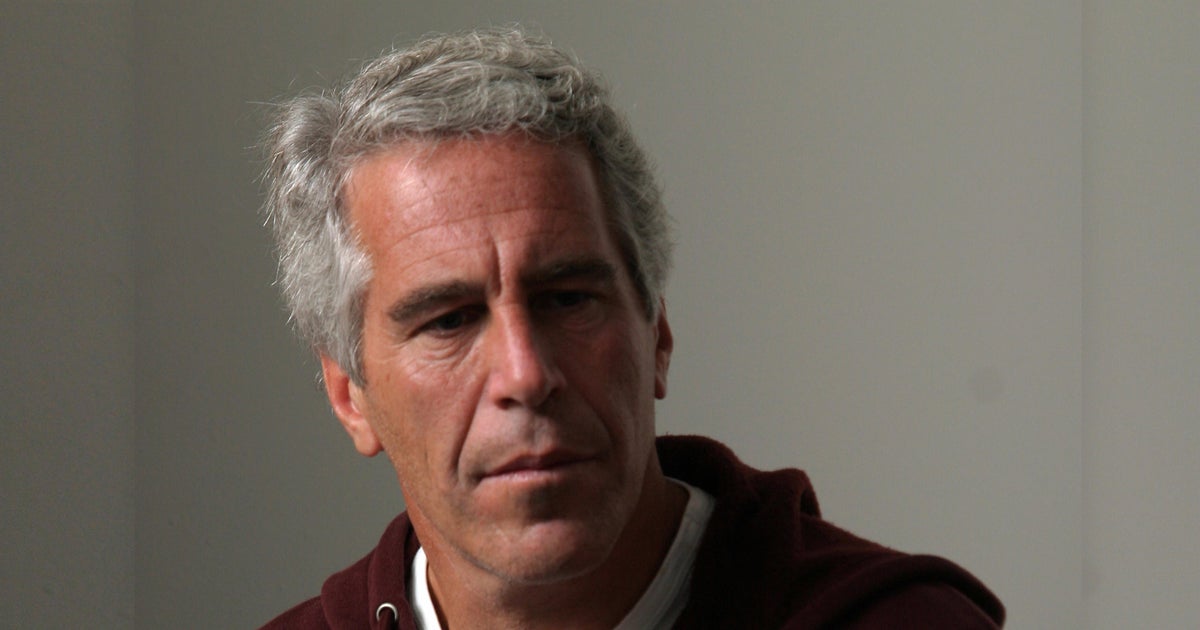
Bank of America has agreed to pay $72.5 million to settle a lawsuit that accused the banking giant of knowingly facilitating Jeffrey Epstein’s sex trafficking operation. The settlement, filed in federal court documents on a recent Friday, represents one of the most significant financial consequences faced by institutions alleged to have enabled the disgraced financier’s criminal enterprise. While the settlement amount is substantial, Bank of America has made it clear that they are not admitting to any liability or wrongdoing as part of this agreement. The deal still requires approval from a federal judge before it becomes final, but it marks a significant step toward resolution for the alleged victims who brought the case forward. A spokesperson for Bank of America emphasized that while the bank stands by its previous statements denying that it facilitated sex trafficking crimes, the resolution allows them to move past this matter and provides some measure of closure for the plaintiffs involved in the case.
The Heart-Wrenching Story Behind the Lawsuit
The lawsuit at the center of this settlement tells a deeply disturbing story that began in October of last year when it was filed in New York federal court. The case was brought on behalf of a woman identified only as “Jane Doe” to protect her privacy, as well as all others who found themselves in similar situations. According to the court documents, this woman was living in Russia when she first encountered Jeffrey Epstein in 2011, and what followed was years of manipulation and abuse. The lawsuit describes how she was “coerced into a cult-like life” where Epstein maintained complete control over her existence. The allegations paint a picture of systematic exploitation where Epstein allegedly paid Jane Doe through a Bank of America account while maintaining what the lawsuit describes as financial, emotional, and psychological control over her for eight years, from 2011 until his death in 2019. During this horrific period, she claims to have been sexually abused on at least 100 occasions, including rape and being forced to engage sexually with other women for Epstein’s gratification.
How the Banking System Allegedly Enabled Abuse
The lawsuit’s most serious allegations center on how Bank of America allegedly turned a blind eye to clear warning signs of criminal activity. According to the complaint, the bank “knowingly and intentionally participated in, assisted, supported, and facilitated Jeffrey Epstein’s sex trafficking venture by providing Jeffrey Epstein and his associates with banking and investment services.” The lawsuit claims that Bank of America ignored numerous red flags and either failed or was negligent in meeting its compliance and regulatory responsibilities. Specifically, Jane Doe alleges that Epstein used a Bank of America account to pay her rent and provide her with income from what she describes as a phony job, all while holding her immigration status over her head as leverage to keep her trapped in this abusive situation. This control only ended when Epstein died in August 2019. The case raises serious questions about the responsibility of financial institutions to monitor their accounts for suspicious activity and what happens when they allegedly fail to do so, potentially enabling years of human trafficking and abuse to continue unchecked.
The Connection to Billionaire Leon Black and Suspicious Transactions
While billionaire financier Leon Black, co-founder of Apollo Global Management, is not named as a defendant in the lawsuit, his involvement became a focal point of the case. Sigrid McCawley, a lawyer representing Epstein’s victims, described Black as a “critical witness” in the proceedings. The lawsuit specifically highlighted $170 million that Black allegedly paid from a Bank of America account to Epstein, with the stated purpose being for “tax and estate planning advice.” To many observers, this enormous sum for consulting services raised immediate red flags about the true nature of the relationship between Black and Epstein. During a court hearing earlier in the month before the settlement, a lawyer representing Black successfully persuaded Judge Jed S. Rakoff to postpone Black’s deposition for 10 days, arguing that the parties were close to reaching a settlement agreement. This postponement proved prescient, as the settlement was announced shortly thereafter. The involvement of such massive financial transactions between wealthy individuals and Epstein underscores the complex web of relationships and money flows that allegedly enabled his criminal enterprise to operate for so many years.
Banking Regulations and the Failure to Report Suspicious Activity
One of the most damning aspects of the lawsuit against Bank of America centers on the bank’s alleged failure to fulfill its legal obligations under federal banking regulations. Banks operating in the United States are required by law to report suspicious activity in customer accounts to federal authorities through documents known as Suspicious Activity Reports, or SARs. These reports are designed to flag potential criminal activity such as money laundering, fraud, or in cases like this, potentially sex trafficking. The SARs system serves as a crucial early warning system that allows law enforcement to investigate potentially criminal behavior before it can continue unchecked. According to the lawsuit, Bank of America failed to file these required suspicious activity reports until after Epstein’s death in August 2019, when he was found in his federal jail cell while awaiting trial on sex trafficking charges. His death was officially ruled a suicide. By that time, according to the allegations, years of abuse had already occurred, and numerous victims had already suffered. This alleged failure to report raises serious questions about whether earlier intervention by authorities might have stopped Epstein’s operation sooner and prevented additional victims from being harmed.
The Broader Context of Epstein’s Network and Recent Revelations
Jeffrey Epstein’s case has continued to generate headlines and new revelations even years after his death, particularly regarding the network of wealthy and powerful individuals who maintained relationships with him. Epstein was notorious for his connections with influential men across various fields, and according to the lawsuit, he strategically used these relationships to his advantage in his attacks on women, likely to intimidate victims and create an aura of untouchability. The recent release by the Justice Department of millions of pages of documents from law enforcement investigations into Epstein has shed new light on the extent of his connections. These documents reveal that Epstein maintained regular contact with CEOs, journalists, scientists, and prominent politicians even long after his 2008 conviction in Florida state court on sex crimes charges. This continued acceptance by elite circles despite his criminal record raises troubling questions about accountability and how wealth and connections can shield individuals from appropriate social and professional consequences. The settlement with Bank of America represents just one piece of a much larger puzzle of institutional and individual failures that allowed Epstein’s trafficking operation to continue for so many years, affecting countless lives. For the victims, while no amount of money can undo the trauma they experienced, this settlement represents at least some measure of acknowledgment and accountability from one of the institutions that allegedly played a role in enabling their suffering.