
China Faces Energy Crisis as U.S.-Israeli Conflict with Iran Threatens Oil Supplies
A Critical Vulnerability Exposed
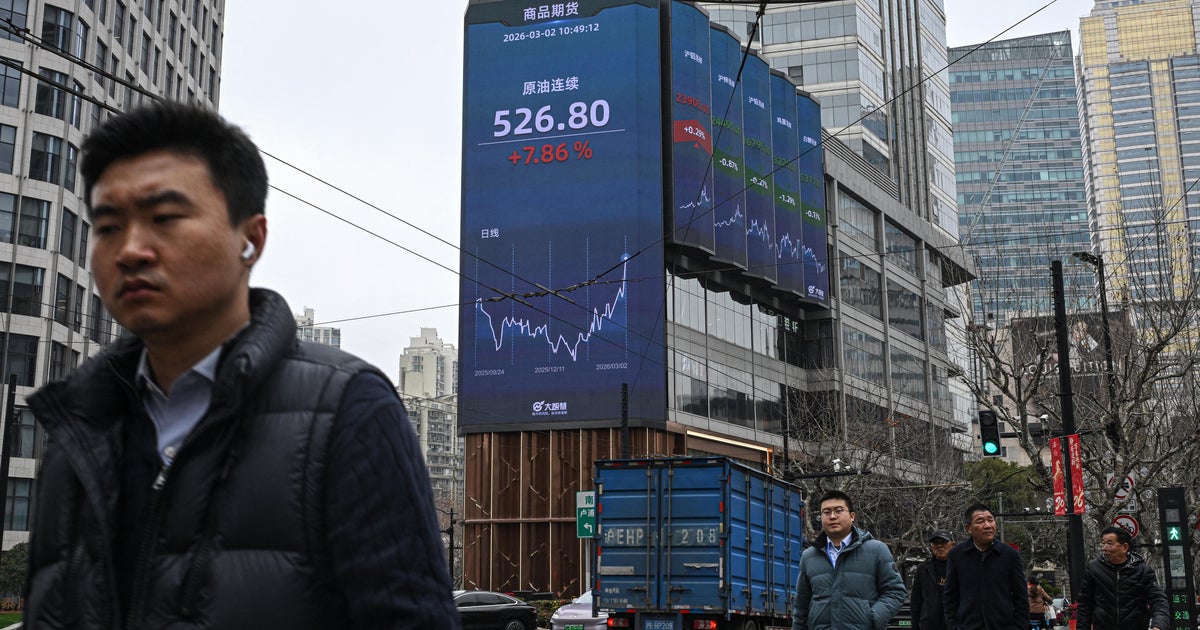
China finds itself in an increasingly precarious position as the ongoing U.S. and Israeli military conflict with Iran threatens to cut off vital energy supplies that power the world’s second-largest economy. As the globe’s biggest energy importer, China’s heavy dependence on foreign oil has emerged as a significant strategic weakness at a particularly sensitive time—just weeks before President Trump’s planned state visit to Beijing. The situation has laid bare what many analysts consider China’s Achilles’ heel: its overwhelming reliance on oil imports to fuel its massive industrial base and growing economy. According to data from Det Norske Veritas, an independent global assurance and risk management provider, China imports approximately 70% of its total oil and gas needs, with the majority of these critical energy resources originating from the volatile Persian Gulf region. This geographic concentration of supply sources has placed Beijing in a vulnerable position as regional tensions escalate and shipping routes face potential disruption. The crisis highlights the delicate balance China must maintain between its ambitious economic growth targets and the geopolitical realities of depending on energy resources from one of the world’s most unstable regions.
Global Economic Ripple Effects
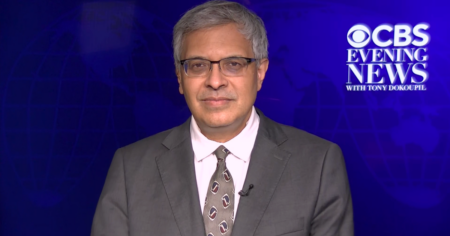
Henry Wang, president of the Centre for China & Globalization, emphasized to CBS News that this situation represents far more than just a Chinese problem—it’s a crisis with worldwide implications. Wang characterized the conflict as a “manmade crisis” that will send shockwaves through the global economy, affecting nations across multiple continents. “I think this will certainly hurt China, but not just limited to China, I think the whole world will be hurt,” Wang explained, pointing to the strategic importance of the Strait of Hormuz, a narrow waterway through which a significant portion of the world’s oil supplies must pass. The potential blockage or disruption of this critical shipping lane poses threats not only to China but also to economies throughout Asia, Europe, Latin America, and even the United States itself. This interconnected vulnerability underscores how integrated the global economy has become and how conflicts in one region can rapidly cascade into worldwide economic disruption. The situation serves as a stark reminder that in today’s interconnected world, energy security remains a fundamental concern for developed and developing nations alike, and that disruptions to supply chains can have far-reaching consequences that transcend national borders and political allegiances.
China’s Diplomatic Response and Historical Ties with Iran
The crisis has prompted strong diplomatic reactions from Beijing, with China’s top diplomat Wang Yi issuing a forceful condemnation of the conflict on Sunday. Wang Yi accused the United States of assassinating a sovereign leader, violating fundamental principles of international law, and dangerously pushing the entire region “to the brink of a dangerous abyss.” This strong language reflects not only China’s concerns about energy security but also its long-standing diplomatic relationship with Iran, which stretches back more than five decades. The relationship between Beijing and Tehran has grown particularly close since 2018, when the first Trump administration withdrew from the Iran nuclear agreement and reimposed strict sanctions on Tehran over its nuclear weapons program. In the wake of these sanctions, which effectively cut Iran off from much of the Western economic system, China emerged as Iran’s primary economic lifeline. According to 2025 data from analytics firm Kpler, Iran has sold up to 80% of its oil production to China, making Beijing by far Tehran’s most important customer. This economic relationship has led some international experts to suggest that China has effectively propped up the Iranian regime through its continued purchases of Iranian oil, providing Tehran with crucial revenue despite international pressure and sanctions.
The Reality of China-Iran Trade Relations
Last year alone, China purchased 1.38 million barrels per day of Iranian oil, according to data from Kpler, representing a substantial portion of China’s overall energy imports. However, Henry Wang pushes back against characterizations of this relationship as ideologically or politically motivated, arguing instead that it represents straightforward commercial transactions driven by economic necessity rather than political alignment. “I just think that is a normal trade,” Wang explained to CBS News, drawing parallels to other countries that have continued economic relationships with sanctioned nations. He pointed to India and other BRICS countries that have continued purchasing oil from Russia despite Western sanctions following the invasion of Ukraine. “Just because one country doesn’t like Iran, you cannot really ask the rest of the world that you cannot buy its oil,” Wang argued, framing China’s relationship with Iran as a pragmatic response to energy needs rather than an endorsement of Iranian policies. This perspective highlights the fundamental tension between Western sanctions policies and the economic realities faced by major developing economies that require affordable energy sources to fuel their growth. For China, the Iranian oil relationship has provided a reliable and cost-effective energy source at a time when the country’s industrial expansion and growing middle class continue to drive increasing energy demand.
The Green Energy Paradox
Despite China’s much-publicized investments in renewable energy and its government’s claims of building the fastest-growing green economy in the world, the country’s appetite for traditional fossil fuels continues to expand. Beijing has indeed been rolling out renewable energy sources and nuclear power facilities at an unprecedented pace, investing hundreds of billions of dollars in solar panels, wind turbines, and other alternative energy technologies. However, the transition to a fully green economy remains a distant goal rather than a present reality. “I think even though China does have a lot of green power now and has greatly enhanced its capability in alternative energy sources, 50% of China’s energy still depends on petroleum and many other natural gas and other sources,” Wang told CBS News, illustrating the massive challenge China faces in transitioning away from fossil fuels. This continued dependence on oil and gas explains why disruptions to Persian Gulf supplies pose such a significant threat to China’s economic stability and growth prospects. The country’s energy infrastructure, industrial base, and transportation systems remain fundamentally dependent on petroleum products, and this dependence cannot be eliminated overnight regardless of how quickly renewable energy capacity expands. Last year, CBS News witnessed firsthand the lengths to which China goes to secure its oil supplies when reporters observed a shadow fleet operating off the coast of Malaysia in the Riau Archipelago, transporting Iranian oil and conducting ship-to-ship transfers with Chinese tankers—a clandestine supply route designed to evade international sanctions that will abruptly halt if the current conflict continues to escalate.
Strategic Implications and Future Uncertainties
Wang indicated that China maintains petroleum reserves sufficient for approximately four to five months in the event of a prolonged conflict, providing some buffer against immediate supply disruptions but offering little comfort if hostilities extend beyond that timeframe. Many international analysts believe the U.S.-led military strikes on Iran form part of a broader White House strategy aimed at containing China’s growing global influence by targeting its most critical vulnerability: energy security. However, Wang argues that this approach represents shortsighted thinking that will ultimately harm American interests as much as Chinese ones. “I think President Trump is doing self-harm. It hurts European countries, it hurts G7 countries, and it hurts the U.S. as well. Not just China. The whole global economy. We’re not living in an isolated environment. It’s all intertwined,” he explained, emphasizing the interconnected nature of modern economic systems. President Trump’s scheduled trip to China for a summit with President Xi Jinping at the end of the month promises to be particularly significant given these escalating tensions. The two leaders last spoke by phone in February, when contentious issues including Taiwan and U.S. arms sales to the island dominated their conversation. Last year, the United States and China were engaged in an escalating tariff war before reaching a fragile and temporary détente that many observers considered unstable even before the current crisis. The war in Iran and broader Middle East developments have now injected yet another layer of complexity and potential conflict into the relationship between the world’s two superpowers, raising questions about whether the upcoming summit can produce any meaningful progress toward stability or whether the energy crisis will further deepen the strategic competition between Washington and Beijing for global influence and economic dominance.